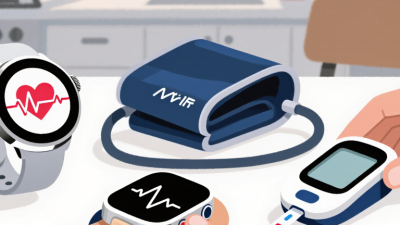
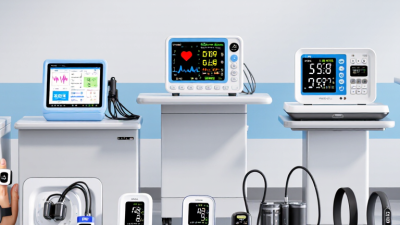
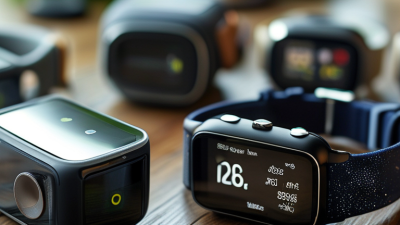
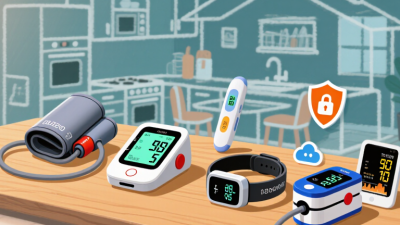
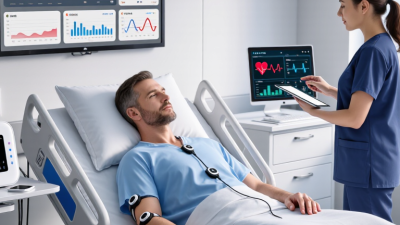
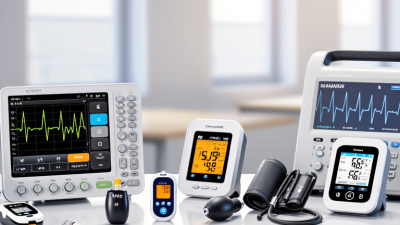
China has become a major base for producing connected medical and wellness technologies, from fingertip pulse oximeters to wrist-worn ECG monitors. Its health monitoring devices manufacturers serve hospitals, clinics, pharmacies, and consumers in domestic and export markets. The category is broad. A fitness tracker and a clinically validated monitor do not offer the same evidence or intended use. The stakes are real.
The World Health Organization reports that noncommunicable diseases caused at least 43 million deaths in 2021, underscoring the value of reliable long-term monitoring. Grand View Research estimated the global wearable medical devices market at USD 42.6 billion in 2023 and projected continued growth through 2030. These figures describe market opportunity, not product quality. WHO Director-General Tedros Adhanom Ghebreyesus said, “The future of health is digital, and we must make sure that digital health is inclusive, equitable and accessible.” His point matters: useful devices must work for people, not just look impressive in a product brochure.
This overview examines leading manufacturers in China through practical signals: product range, manufacturing capability, quality systems, clinical validation, connectivity, and service support. Buyers should check each product’s intended use and supporting evidence, rather than relying on a company’s reputation alone. Numbers need context. Public rankings can also miss smaller specialists and changing product lines. No single list can settle every purchasing decision, but a careful comparison can help readers ask better questions before choosing a supplier.
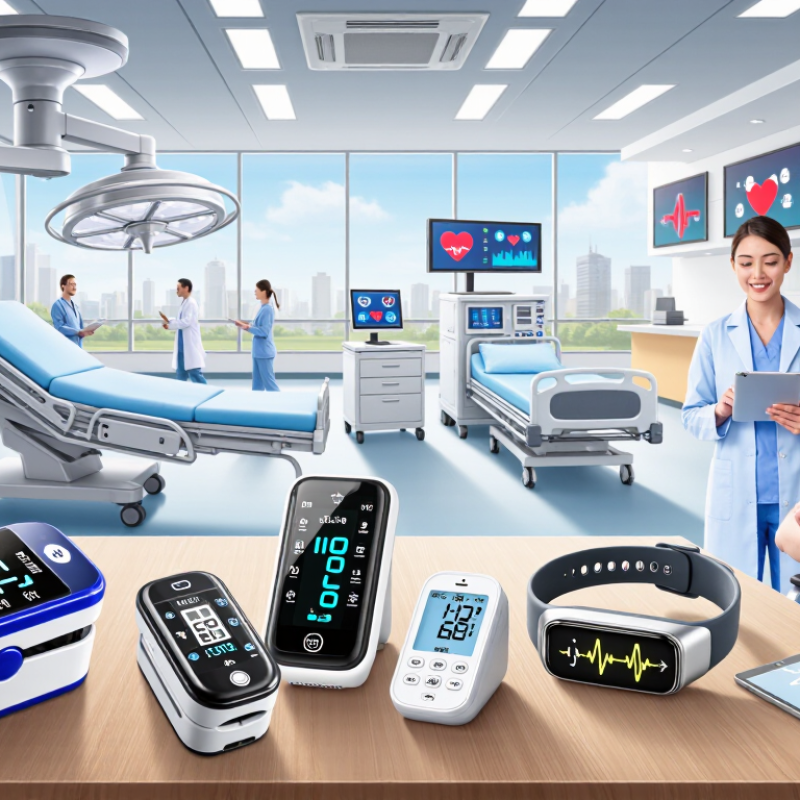
Health monitoring devices are tools that measure or track physiological signals over time. They include blood pressure monitors, digital thermometers, pulse oximeters, wearable heart-rate sensors, and portable electrocardiogram devices. Some collect a single reading; others record trends throughout the day. That difference matters. A wrist sensor may show a changing heart rate, but it does not replace a clinical assessment or confirm a diagnosis.
In clinical care, these devices can support screening, follow-up, and remote observation. A clinician might review home blood pressure readings before adjusting a care plan, or examine oxygen levels alongside symptoms and other findings. Reliable use depends on fit, calibration, clear instructions, and testing across relevant users. In China, manufacturers work across sensors, software, and connected home-care equipment, but product capabilities vary. Data can be incomplete. A loose cuff or cold fingers may distort readings, and patients may not record measurements consistently. Clinicians should interpret device results in context, not in isolation. The scope is useful, but not limitless. Even a well-designed monitor can create false confidence when its limitations are overlooked.
| Device Category | Definition and Measurement | Common Form Factors | Clinical and Health Applications | Key Scope Notes |
|---|---|---|---|---|
| Blood pressure monitors | Non-invasive devices that estimate systolic and diastolic blood pressure, commonly using an inflatable cuff and oscillometric measurement. | Upper-arm cuff, wrist cuff, ambulatory monitor | Blood pressure screening and ongoing hypertension management; ambulatory monitoring can record readings over an extended period. | Measurement technique, cuff fit, and validated-device status affect reliability. A single reading is not sufficient to establish a diagnosis. |
| Pulse oximeters | Use light-based sensing to estimate peripheral oxygen saturation (SpO₂) and pulse rate. | Fingertip, handheld, or wearable sensor | Spot checks or continuous observation of oxygenation, including in respiratory care and selected home-monitoring settings. | SpO₂ is an estimate and is not the same as arterial blood-gas measurement. Motion, circulation, and other factors can affect readings. |
| Electrocardiogram (ECG) devices | Record electrical signals generated by the heart; the number and placement of electrodes determine the ECG configuration. | Single-lead handheld or wearable device; multi-lead clinical recorder | Heart-rhythm recording and assessment; selected devices can support detection of possible rhythm irregularities for clinical review. | A single-lead recording does not provide the same information as a standard 12-lead ECG and should not be treated as a complete cardiac evaluation. |
| Blood glucose monitors | Blood glucose meters measure glucose in a blood sample; continuous glucose monitors (CGMs) measure glucose in interstitial fluid and display trends. | Capillary meter with test strips; wearable sensor and reader or connected display | Diabetes self-management and clinical review of glucose levels or trends. | CGM readings may differ from blood glucose readings, particularly when glucose is changing rapidly; users should follow device instructions for confirmation checks. |
| Thermometers | Measure body temperature using contact or infrared sensing, depending on the device and measurement site. | Oral, ear, forehead, or contactless infrared thermometer | Temperature checks to support assessment of fever and monitoring of changes over time. | Results depend on measurement site, technique, and device instructions; readings from different sites may not be directly interchangeable. |
| Wearable activity and heart-rate monitors | Use motion sensors and, in many devices, optical sensing to estimate activity, steps, or heart rate. | Wrist-worn device, chest strap, or other wearable sensor | Activity tracking, fitness feedback, and observation of trends that may be discussed with a healthcare professional. | Consumer estimates can vary by device, activity, and fit. They do not by themselves diagnose cardiovascular conditions. |
| Connected weighing scales | Measure body mass; some models use bioelectrical impedance to estimate body-composition values. | Digital floor scale, with optional app or data connectivity | Weight tracking and, where appropriate, review of longitudinal changes as part of health or care plans. | Bioelectrical-impedance outputs are estimates, not direct measurements of body composition, and can be affected by hydration and other conditions. |
| Sleep-monitoring devices | Estimate sleep-related patterns using movement and, depending on the device, additional signals such as heart rate or breathing-related measures. | Wrist-worn wearable, bedside sensor, or under-mattress sensor | Personal sleep-pattern tracking and collection of information that may help guide discussion about sleep habits or symptoms. | Consumer sleep estimates are not equivalent to a clinical sleep study and should not be used alone to diagnose a sleep disorder. |
Definition and scope: Health monitoring devices are instruments or connected systems that measure, record, or display physiological or activity-related information. The categories above describe common device types and applications; specific intended uses and clinical claims depend on each device’s design, evidence, and applicable regulatory authorization.