What Are the Best Medical Monitoring Devices in 2026?
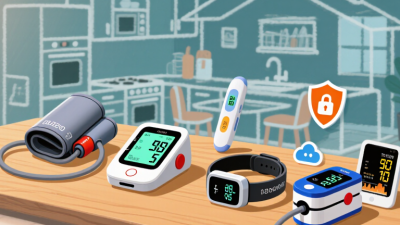
In 2026, medical monitoring devices are moving beyond clinic walls. A smartwatch can track heart rhythm during a walk. A connected blood pressure cuff can send readings from a kitchen table. Continuous glucose monitors can show how meals affect glucose levels in real time. These tools offer clinicians and patients more frequent information, but more data does not automatically mean better care.
Cardiologist and digital-medicine researcher Dr. Eric Topol captured the wider shift in his book title, “The Patient Will See You Now: The Future of Medicine Is in Your Hands.” That idea matters when choosing monitoring technology. The best device is not always the newest or most feature-packed. Accuracy, comfort, battery life, accessibility, and clear instructions all shape whether people will use it consistently. Small details count.
This guide compares leading medical monitoring devices for 2026, from wearable heart monitors to home blood pressure systems and glucose trackers. It looks at what each device measures, who may benefit, and where its limits matter. A consumer wearable can reveal patterns, but it cannot replace a clinical diagnosis. Some readings may be noisy, and alerts can cause worry. That deserves attention, too. Device recommendations should be checked against current evidence and a person’s care needs, ideally with guidance from a qualified healthcare professional.
What Medical Monitoring Devices Are and What They Measure
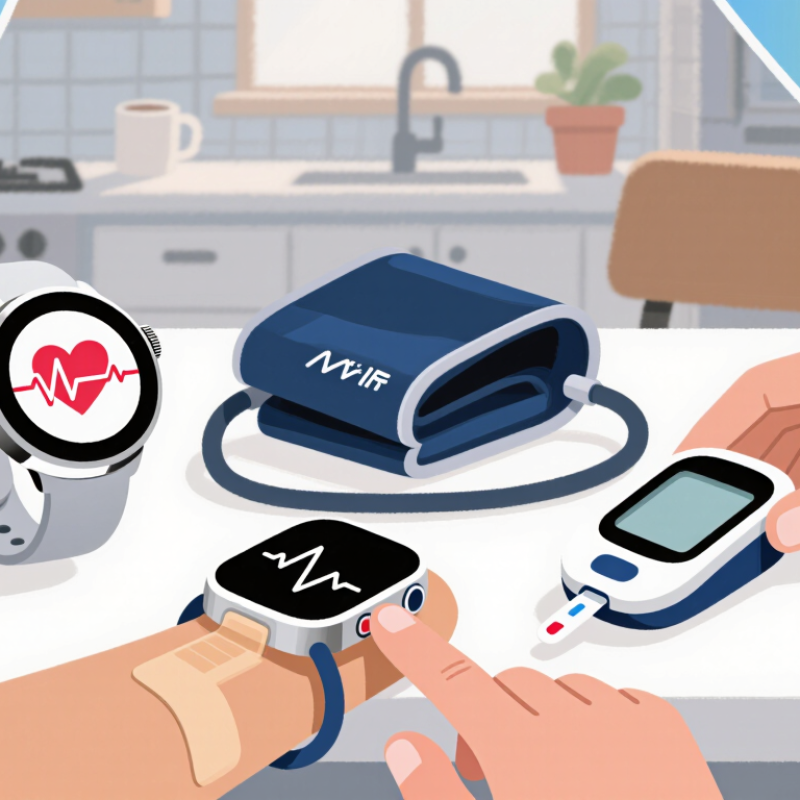
Medical monitoring devices capture specific body signals, not general health. A blood-pressure cuff records systolic and diastolic pressure, while a pulse oximeter estimates blood oxygen saturation and pulse rate. A thermometer measures body temperature. A glucose meter checks blood sugar from a small blood sample; continuous glucose monitors track changes through the day. Small differences matter.
Other devices record electrical heart activity, breathing, weight, or movement. An electrocardiogram captures the heart’s electrical pattern, while some wearables estimate pulse and activity from wrist sensors. These readings can help people and clinicians notice changes, but consumer sensors may be less precise than clinical equipment. Fit, movement, cold hands, and measurement technique can affect results.
The need for reliable readings is substantial. The World Health Organization’s 2023 global hypertension report estimates that 1.28 billion adults aged 30–79 live with hypertension worldwide; about 46% are unaware of it. The American Heart Association’s 2024 Statistical Update estimates that 122.4 million U.S. adults have high blood pressure. A single reading is only a snapshot. Repeated measurements, taken as directed and reviewed in context, provide more useful information.
How Medical Monitoring Devices Collect and Share Health Data
What Are the Best Medical Monitoring Devices in 2026?
How Medical Monitoring Devices Collect and Share Health Data
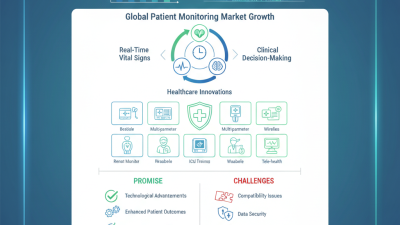
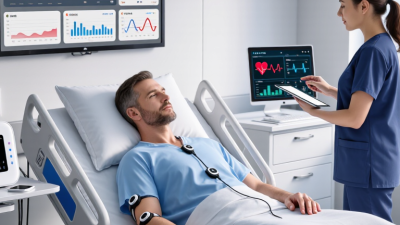
Medical monitoring devices turn body signals into information that patients and care teams can review. A wearable may track movement and pulse, while a home blood pressure cuff records readings during a quiet morning. Sensors capture these measurements and send them to an app, a bedside hub, or a clinical platform. Some devices share results automatically; others wait for a person to sync them. The numbers can reveal patterns, but they do not tell the whole story. A loose sensor or a rushed measurement can distort a reading.
Data may travel through a phone or wireless connection, then appear in a health record or monitoring dashboard. Access should be limited to people involved in care, with clear consent and sensible security protections. Ask who can see the readings, how long they are stored, and what happens if a connection fails. That sounds neat, but real life is messier. A missing signal may reflect a dead battery, not a sudden change in health. Device readings support clinical judgment; they are not a diagnosis.
Tips: Keep sensors clean and fitted as instructed. Note symptoms beside unusual readings. Check that sharing settings match your preferences, and ask a clinician how to respond to concerning results.
What Are the Best Medical Monitoring Devices in 2026?
How medical monitoring devices collect and share health data
Devices collect different kinds of health data at different rates. This chart compares ECG sampling at 500 samples per second with continuous glucose monitoring (CGM) readings at 1- and 5-minute intervals. Hourly totals are calculated from those rates; actual device settings and data availability vary. Depending on the device, readings may be sent to a paired phone or other receiver and shared with a care team through an app or clinical system.
References: AHA/ACCF/HRS recommendations for ECG digital sampling; FDA information on continuous glucose monitoring. The chart shows sampling or reading frequency, not device accuracy or clinical performance.
Main Types of Medical Monitoring Devices in 2026
What Are the Best Medical Monitoring Devices in 2026?
Main Types of Medical Monitoring Devices in 2026
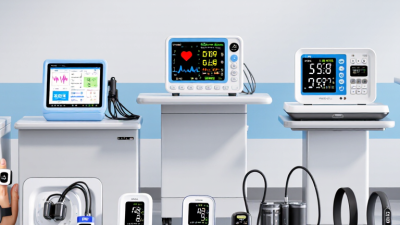
Medical monitoring devices track different parts of health, and no single tool tells the whole story. Blood pressure monitors can reveal trends when readings are taken consistently, with the cuff positioned correctly and after a few minutes of rest. Pulse oximeters estimate blood oxygen and pulse rate, but cold fingers, movement, or nail coverings can affect readings. A number is not a diagnosis.
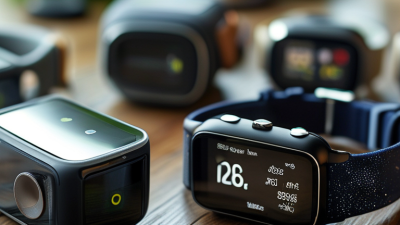
Wearable devices may track heart rate, activity, sleep, or—in some cases—heart rhythm. Continuous glucose monitors show glucose changes throughout the day, while thermometers measure body temperature. At home or in clinical settings, multiparameter monitors can combine measures such as pulse, breathing rate, and oxygen levels. Each device has limits. A tidy graph can still miss symptoms, and I may be overvaluing the data when I check it too often.
Tips: Choose a device suited to the health question, and follow its instructions closely. Keep a simple log of readings, symptoms, and timing; share relevant patterns with a qualified healthcare professional. Seek medical advice for concerning symptoms rather than relying on a device reading alone.
How to Evaluate Safety, Accuracy, and Ease of Use
Choosing a medical monitoring device starts with the risk it must detect. A pulse oximeter, blood pressure monitor, and continuous glucose monitor measure different things; one accuracy claim cannot cover them all. Check whether performance was tested in people like the intended user, and under realistic conditions such as movement, cold hands, or low battery. FDA guidance warns that pulse oximeter readings can be affected by skin pigmentation, circulation, skin temperature, and other factors. That matters.
Published evidence shows why accuracy needs scrutiny. In a 2020 New England Journal of Medicine study, occult low oxygen levels were missed more often in Black patients than White patients:
11.7% versus 3.6% in one patient cohort.
A device may display a precise number and still be wrong. I would not treat one reassuring reading as proof; that shortcut is tempting. Compare readings with a clinician’s assessment when results conflict with symptoms.
Safety also depends on what happens after a reading. Look for clear alert thresholds, understandable instructions, and a reliable plan for sharing results with a care team. Then test the routine: Can someone read the screen in dim light? Is the cuff easy to position? Does setup require repeated troubleshooting? Small details count. Ease of use is not cosmetic; a monitor left in a drawer cannot support care. FDA safety communications and peer-reviewed clinical studies are useful starting points, but users should also ask how a device was validated and what its limits are.
Which Devices Best Suit Different Health Monitoring Needs
What Are the Best Medical Monitoring Devices in 2026?
Which Devices Best Suit Different Health Monitoring Needs
The right device depends on what you need to track. For home blood pressure checks, choose a validated upper-arm cuff with a suitable cuff size. Sit quietly for five minutes, keep your feet flat, and rest your arm at heart level. Small details matter. A fingertip pulse oximeter can help track oxygen levels, but cold hands, movement, and nail coverings may affect readings. A digital thermometer is useful for checking temperature, especially during illness.
People managing diabetes may use a glucose meter or, when recommended by a clinician, a continuous glucose monitor. A wearable watch can show activity, heart-rate patterns, or sleep estimates, but those features do not diagnose disease. Some personal ECG devices record short rhythm snapshots; they cannot rule out every heart problem. Trends, not diagnoses. A strange reading can be unsettling, and repeated measurements are not always clearer. Discuss persistent changes or symptoms with a healthcare professional.
Tips: Check instructions before each use, clean devices as directed, and keep a simple log with dates and symptoms. Compare readings taken under similar conditions. If you feel severely unwell, seek medical care rather than relying on a home monitor.