Top 10 Medical Monitoring Devices for Global Buyers

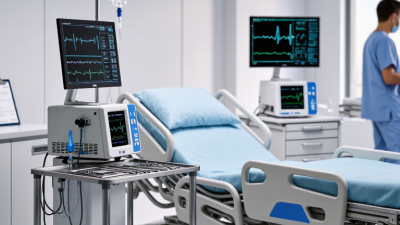
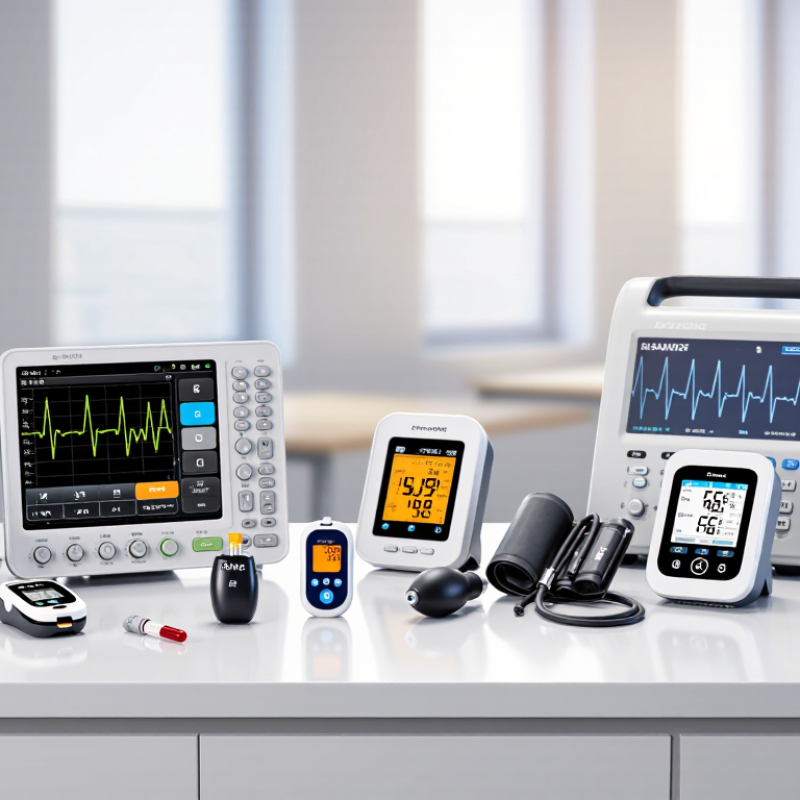
Choosing the right medical monitoring devices can shape patient safety, clinical efficiency, and purchasing confidence across international markets. Global buyers must look beyond attractive specifications and low unit prices. Accuracy, alarm reliability, data security, service support, and regulatory documentation deserve equal attention. A compact pulse oximeter may look ideal online, yet poor sensor performance can create serious uncertainty during movement or low perfusion.

Dr. Eric Topol, a cardiologist and digital medicine expert, has said, “The stethoscope is a symbol of medicine, but it is not going to be the dominant tool in the future.” His observation reflects a wider shift toward connected care, remote observation, and continuous patient data. However, technology alone does not improve care. Devices need trained users, clear instructions, dependable calibration, and workflows that clinicians can actually manage.

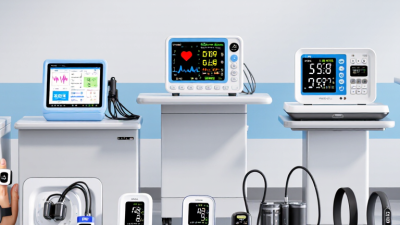
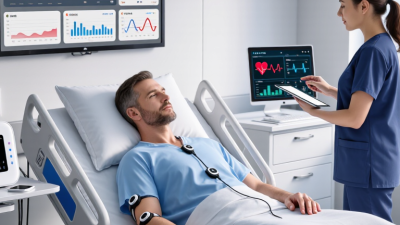
This guide reviews ten medical monitoring devices commonly considered by hospitals, clinics, distributors, and home-care providers. It examines practical categories, including patient monitors, ECG systems, blood pressure monitors, pulse oximeters, glucose meters, thermometers, fetal monitors, and wearable sensors. Each product type has strengths and limitations. Some offer excellent portability but weaker connectivity. Others provide detailed analytics but require higher budgets and technical support.

No device is perfect.

Buyers should compare intended use, measurement accuracy, interoperability, maintenance requirements, and local approval status. Independent validation is valuable, but it may not answer every real-world question. A device that performs well in a controlled test can still frustrate nurses during a crowded night shift. Careful evaluation remains essential. The best choice is not always the most advanced model, but the one that delivers reliable information when people need it.
Top 10 Medical Monitoring Devices for Global Buyers

Global Need: WHO Reports 1.28 Billion Adults Living With Hypertension

Top 10 Medical Monitoring Devices for Global Buyers

The need for reliable monitoring is urgent. The World Health Organization reports that 1.28 billion adults aged 30–79 lived with hypertension in 2021. Nearly half were unaware of their condition. Only about one in five had controlled blood pressure, according to WHO’s Global Report on Hypertension, published in 2023.

For global buyers, an upper-arm blood pressure monitor should be a core device. Look for independent clinical validation, a suitable cuff range, clear instructions, and memory for repeated readings. Ambulatory monitors can record changes during daily activities and sleep. Other useful devices include ECG monitors, pulse oximeters, digital thermometers, blood glucose meters, body-weight scales, and wearable heart-rate monitors. The Global Burden of Disease study shows that high systolic blood pressure remains a leading risk factor for premature death worldwide. Home data can support earlier clinical conversations, but it cannot replace diagnosis.

Tips: Rest quietly for five minutes. Keep both feet on the floor. Support your arm at heart level. Take two readings, one minute apart, and record the time. Avoid measuring immediately after exercise or caffeine. A single high result can be misleading. Our first reading is often the noisiest. Cuff placement also matters more than many buyers expect. Choose devices supported by local medical guidance, readable screens, secure data handling, and accessible service. WHO, 2023; Global Burden of Disease Study, 2021.

Top 10 Medical Monitoring Devices for Global Buyers

Global need context: WHO reports that 1.28 billion adults aged 30–79 are living with hypertension.

The chart connects common monitoring-device categories with the latest available global population or event indicators relevant to their clinical use. Values are shown in millions and use a logarithmic scale because the published indicators are not directly comparable.

Sources: WHO Hypertension Report 2023; WHO/Lancet global diabetes estimates for 2022; WHO Asthma and COPD fact sheets; Benjafield et al., The Lancet Respiratory Medicine, 2019; Global Burden of Disease Study 2019; WHO World Malaria Report 2023; WHO COVID-19 Dashboard; WHO cardiovascular disease estimates; WHO maternal mortality estimates for 2023.

Device Categories: Blood Pressure, ECG, SpO₂, Glucose, and Temperature Monitors

Top 10 Medical Monitoring Devices for Global Buyers

Medical monitoring begins with choosing the right device category. Blood pressure monitors should support correct cuff sizing and consistent readings. ECG monitors record heart rhythm, but they do not replace clinical interpretation. SpO₂ monitors estimate oxygen saturation and pulse rate, although cold fingers, motion, or poor circulation may reduce accuracy. Glucose monitors require compatible test strips, clear instructions, and careful storage. Temperature monitors vary by measurement site, so users should follow the stated method. Small differences matter.

For global buyers, reliable procurement involves more than comparing prices. Check calibration information, measurement ranges, alarm settings, battery performance, and data security. Look for independent validation, traceable quality records, and instructions written for the intended users. Local registration and labeling requirements also deserve review before purchase. A device may perform well in a clinic but feel confusing at home. No monitor is perfect. That is worth remembering.

Tips

Match each device to its real setting, patient group, and workflow. Confirm cuff sizes and sensor placement before ordering. Ask for accuracy evidence, service support, and replacement-part availability. Test a small batch first. It may reveal problems hidden in a catalog. Keep maintenance logs, train users briefly, and compare unusual readings with professional assessment rather than relying on one result.

Clinical Standards: ISO 81060-2 and IEC 60601 Define Safety and Accuracy

For global buyers, medical monitoring devices should be judged by clinical evidence, not attractive specifications alone. ISO 81060-2 is central for automated, non-invasive blood pressure monitors. It evaluates accuracy against a reference method under defined conditions. Buyers should check validation reports, patient groups, cuff ranges, and measurement protocols before placing large orders.

IEC 60601 addresses electrical safety and essential performance in medical electrical equipment. It considers risks such as leakage current, insulation failure, and unstable operation. In a busy ward, these details matter. A device should remain dependable beside infusion pumps, oxygen equipment, and cleaning procedures. Clear alarms, readable screens, secure data transfer, and simple controls also reduce avoidable mistakes.

Real purchasing experience can expose weaknesses that laboratory documents miss. A cuff may fit adults but fail with smaller arms. A battery may weaken during long shifts. Staff may ignore alarms if they sound too often. Buyers should request samples, review maintenance procedures, and observe use in realistic clinical settings. Standards provide a strong foundation, but they do not replace professional judgment or local regulatory checks. Even well-tested devices can perform poorly when training, calibration, or patient positioning is overlooked. That gap deserves honest attention.

Top 10 Medical Monitoring Devices for Global Buyers - Clinical Standards: ISO 81060-2 and IEC 60601 Define Safety and Accuracy
Rank Device Category Primary Measurements Typical Clinical Applications Key Applicable Standards Important Accuracy or Safety Considerations Global Buyer Checklist
1 Automated Non-Invasive Blood Pressure Monitor Systolic blood pressure, diastolic blood pressure, mean arterial pressure and pulse rate Primary care, hospitals, home monitoring, outpatient screening and hypertension management ISO 81060-2:2018 with applicable amendments; IEC 60601-2-30; IEC 60601-1 Clinical accuracy should be demonstrated through a recognized validation protocol. Correct cuff size, arm position, patient rest and repeated measurements are essential. Request clinical validation evidence, cuff-size range, calibration instructions, electrical safety documentation and local regulatory authorization.
2 Multiparameter Patient Monitor ECG, heart rate, SpO2, non-invasive blood pressure, temperature and, depending on configuration, respiratory rate or carbon dioxide Emergency departments, intensive care, operating rooms, wards and transport within healthcare facilities IEC 60601-1; IEC 60601-1-2; IEC 60601-2-27; IEC 60601-2-30; IEC 60601-2-49; applicable subsystem standards Performance depends on each module. Buyers should review alarm limits, alarm priority, motion tolerance, electromagnetic compatibility and patient leakage current. Confirm the exact parameter configuration, accessories, alarm management, data export, network security and service availability.
3 Pulse Oximeter Functional oxygen saturation, pulse rate and often pulse waveform Respiratory assessment, anesthesia, critical care, home monitoring and spot checks ISO 80601-2-61; IEC 60601-1; IEC 60601-1-2 Readings may be affected by motion, low perfusion, skin pigmentation, nail products, ambient light and sensor placement. SpO2 accuracy should be supported by appropriate clinical testing. Check the stated operating range, sensor compatibility, pediatric and adult suitability, motion performance and low-perfusion performance.
4 Electrocardiograph and Portable ECG Monitor Cardiac electrical activity, heart rate, rhythm and ECG waveform Arrhythmia assessment, preoperative screening, cardiology clinics, emergency care and remote review IEC 60601-2-25 for diagnostic electrocardiographs; IEC 60601-2-27 for ECG monitoring; IEC 60601-1 Signal quality depends on electrode placement, lead configuration, skin preparation and motion control. Automated interpretation should support, not replace, qualified clinical review. Verify lead configuration, sampling rate, bandwidth, report format, electrode availability, cybersecurity and compatibility with clinical information systems.
5 Clinical Electronic Thermometer Body temperature by oral, axillary, rectal, tympanic or temporal measurement, depending on design Routine vital-sign assessment, triage, pediatric care, inpatient monitoring and home use ISO 80601-2-56; IEC 60601-1; IEC 60601-1-2 Accuracy varies by measurement site and operating mode. Reference conditions, probe covers, ambient temperature and correct technique influence results. Check the declared measurement site, temperature range, response time, cleaning method, probe-cover requirements and calibration interval.
6 Capnograph and End-Tidal Carbon Dioxide Monitor End-tidal carbon dioxide, inspired carbon dioxide and respiratory rate Anesthesia, ventilation management, procedural sedation, emergency transport and critical care ISO 80601-2-55; IEC 60601-1; IEC 60601-1-2 Water vapor, secretions, leaks, sampling-line blockage, calibration gas and sidestream or mainstream configuration can affect performance. Review sampling technology, response time, calibration requirements, airway adapter availability, alarm functions and battery performance.
7 Fetal and Maternal Monitor Fetal heart rate, uterine activity and selected maternal vital signs Antepartum assessment, labor and delivery, obstetric triage and high-risk pregnancy monitoring IEC 60601-2-49 for multifunction patient monitors and relevant fetal-monitoring requirements; IEC 60601-1 Signal quality may be affected by fetal movement, maternal movement, gestational age, fetal position and probe placement. Trace interpretation requires trained personnel. Confirm transducer types, monitoring modes, paper or digital trace options, storage capacity, alarm behavior and local obstetric workflow compatibility.
8 Blood Glucose Monitoring System Capillary blood glucose concentration Diabetes self-management, inpatient testing, emergency screening and medication-related monitoring ISO 15197:2013 for in vitro diagnostic self-testing; IEC 61010-2-101 where applicable; applicable national IVD requirements Results can be influenced by hematocrit, interfering substances, strip storage, sample volume, temperature and operator technique. Meter results should be interpreted clinically. Check intended-use population, sample volume, measurement range, strip stability, quality-control procedure, connectivity and regulatory status in the target market.
9 Spirometer and Pulmonary Function Monitor Forced vital capacity, forced expiratory volume, peak expiratory flow and flow-volume measurements Respiratory diagnosis, asthma and COPD assessment, occupational health and pulmonary rehabilitation ISO 26782; applicable ISO 23747 requirements for peak expiratory flow meters; IEC 60601-1 where electrically powered Accuracy depends on flow calibration, disposable mouthpiece quality, patient effort, posture, coaching and correct maneuver execution. Review calibration procedures, hygiene controls, predicted-value equations, software reports, disposable supplies and data-export options.
10 Invasive Blood Pressure Monitoring System Continuous arterial, central venous or other invasive pressure waveforms and values Critical care, anesthesia, cardiac surgery and hemodynamic monitoring IEC 60601-2-34; IEC 60601-1; applicable requirements for pressure transducers and invasive accessories Zeroing, leveling, dynamic response, damping, tubing compliance, air bubbles and transducer placement directly affect measurement quality. Confirm pressure range, transducer compatibility, sterilization or single-use status, alarm functions, waveform quality and connection security.
Standards note: ISO 81060-2 primarily addresses clinical investigation of intermittent automated non-invasive sphygmomanometers. IEC 60601-1 addresses basic safety and essential performance for medical electrical equipment; product-specific collateral standards may also apply. Buyers should verify the latest adopted edition and national regulatory requirements before procurement.

Market Relevance: IDF Estimates 537 Million Adults Had Diabetes in 2021

Top 10 Medical Monitoring Devices for Global Buyers

The International Diabetes Federation estimated that 537 million adults had diabetes in 2021. That figure makes reliable monitoring equipment a serious global need. The most relevant devices include blood glucose meters, continuous glucose monitors, blood pressure monitors, pulse oximeters, ECG devices, thermometers, smart scales, spirometers, fetal monitors, and sleep trackers. Each serves a different clinical or home-care purpose. Blood glucose tools remain especially important because daily readings can reveal changes before symptoms become obvious.

Buyers should examine accuracy, usability, data security, battery life, and local regulatory approval. Clinical validation matters more than attractive packaging. A device that works well in a hospital may feel difficult in a small home.

Healthcare professionals should also confirm whether readings support diagnosis, screening, or personal tracking. These functions are not interchangeable. Data can look precise and still mislead.

Tips: Check calibration instructions before purchase. Compare results with professional testing when possible. Choose large displays for older users. Confirm replacement supplies and technical support in the destination country. Avoid selecting devices only because they are inexpensive. No monitor is perfect. User technique, skin condition, temperature, and maintenance can affect results. I would also question devices that promise instant certainty, because health measurements need context and sometimes professional review.

Buyer Evaluation: Compare Compliance, Connectivity, Security, and Total Cost

Selecting among the top 10 medical monitoring devices requires more than comparing screen size or sensor count. Buyers should verify regulatory documentation for each target market, including certifications, clinical evidence, labeling, and post-market support. Requirements can differ across regions. A device cleared for one market may need additional review elsewhere.

Connectivity deserves practical testing. Check Wi-Fi stability, Bluetooth compatibility, export formats, and integration with existing hospital systems. During evaluation, test a weak-signal room and a busy network. Data should transfer accurately without creating duplicate records. Security also needs evidence, not promises. Review encryption, user permissions, audit logs, software updates, and vulnerability response procedures. Ask who can access patient data, and how quickly access can be withdrawn.

Tips: Request a live demonstration using realistic workflows. Measure setup time, alarm clarity, cleaning effort, battery duration, and staff training needs. Calculate total cost of ownership, including consumables, licenses, calibration, maintenance, integration, and disposal. The cheapest unit may become expensive after support fees appear. Avoid relying only on vendor specifications. Independent testing is stronger. Still, no evaluation is perfect; real wards are noisier, busier, and less predictable than demonstrations. Leave room for pilot results, user feedback, and one uncomfortable question: what happens when the network fails?