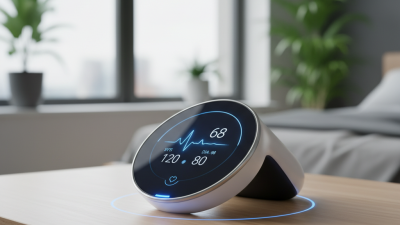
Top 10 Medical Monitors for Global Buyers to Consider
In the ever-evolving medical landscape, choosing the right medical monitor is crucial for patient care. These devices play a vital role in tracking vital signs and ensuring timely interventions. With numerous options available, it can be overwhelming for global buyers to make an informed choice.
Quality is key when evaluating medical monitors. Buyers should look for monitors that provide accurate and reliable data. Features such as portability, ease of use, and connectivity options are equally important. A monitor that integrates well with hospital systems can enhance workflow and patient outcomes. However, not every product meets these standards, and it is essential to conduct thorough research.
Real-world experiences highlight the importance of investing in trusted brands. Choosing a medical monitor based on expert recommendations can alleviate concerns. Yet, even reputable products may have limitations that need consideration. Understanding these factors will help buyers navigate their options effectively. Ultimately, the right medical monitor can make a significant difference in healthcare delivery.
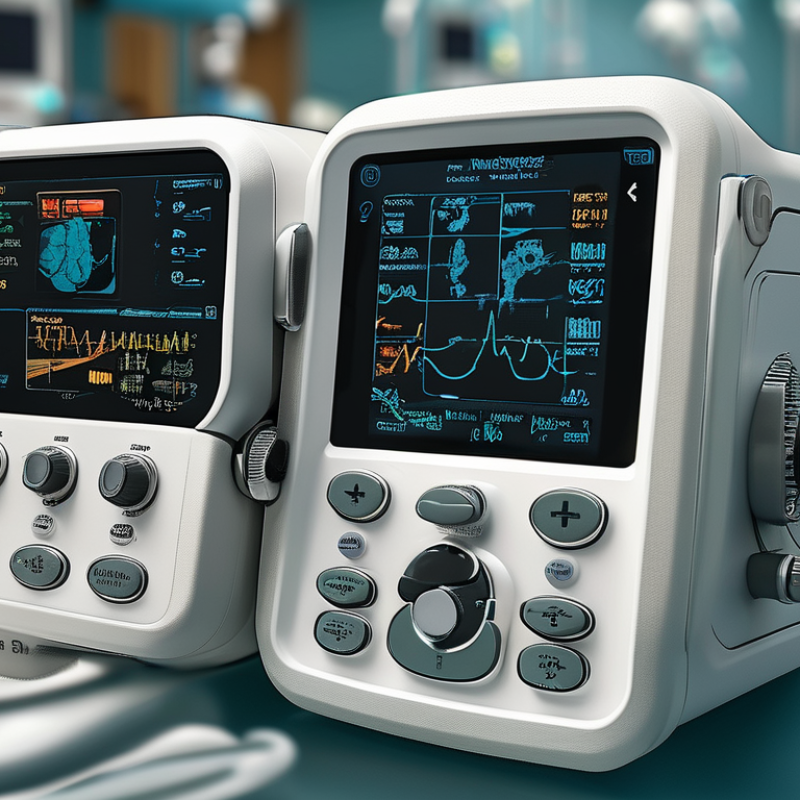
Top 10 Medical Monitors: An Overview of Key Features and Specifications
The landscape of medical monitors is evolving rapidly, offering a wide array of features and specifications tailored to healthcare professionals. Advanced technology now enables precise monitoring of vital signs, such as heart rate and oxygen saturation. Reports indicate that the global medical monitor market is expected to reach $11 billion by 2025, driven by the increase in chronic diseases and hospital admissions.
When selecting a medical monitor, consider your specific needs. Look for monitors that provide real-time data and have connectivity options for easy integration into existing systems. A study indicated that 78% of healthcare facilities value real-time data for improved patient outcomes. Features like touchscreen interfaces and customizable alerts enhance usability, which is crucial in high-pressure environments.
Tip: Always check the accuracy ratings of devices. While many monitors boast advanced features, their effectiveness often relies on precise data collection. Engage with training for staff to maximize the use of these technologies effectively. Regular calibration checks are essential; small discrepancies in measurements can lead to significant clinical implications.
Don’t overlook the importance of user-friendly design. Complicated interfaces may hinder efficiency. Poorly designed monitors can lead to increased errors. Explore monitors that offer comprehensive analytics, as data interpretation can significantly aid in patient management.
Market Trends: Increasing Demand for Medical Monitors in Healthcare Settings
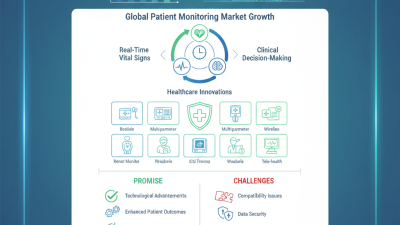
The demand for medical monitors in healthcare settings is soaring. According to a recent market report, the global medical monitor market is expected to reach $5.8 billion by 2026. This growth is primarily fueled by the rising need for real-time patient monitoring and enhanced healthcare outcomes. As hospitals invest in advanced technologies, the focus is shifting toward reliable and precise monitoring devices.
One notable trend is the integration of AI in medical monitors. This innovation enables predictive analytics, improving patient care significantly. As healthcare facilities strive for efficiency, these smart solutions become essential tools. However, while these advancements are promising, there are still concerns about data security and accuracy. Ensuring that patient data remains protected is crucial for any healthcare provider.
Tips: When selecting a medical monitor, consider features such as screen size, battery life, and ease of use. Training staff on using new technologies is vital. Additionally, regular maintenance is essential to ensure the monitors function correctly. Remember, investing in quality equipment can significantly impact patient care and clinical efficiency.
Comparison of Price Ranges for Leading Medical Monitor Brands and Models
When considering medical monitors, price ranges often reflect features and reliability. A recent industry report reveals that prices for top-tier models can vary significantly. Entry-level monitors may start at approximately $1,500, while high-end options can exceed $30,000. This discrepancy highlights the importance of balancing budget with required functionality.
It’s essential to identify key features. Some monitors specialize in vital signs, while others offer advanced imaging capabilities. Monitors displaying a variety of metrics can be more expensive, yet they provide comprehensive monitoring. A more focused device might be suitable for smaller clinics with budget constraints. Always assess the long-term value concerning usage frequency.
Tips: Evaluate warranty and support options. A good warranty can offset costs in case of failure. Be wary of models that lack adequate customer service. Conduct thorough research on user reviews and reliability scores. As prices increase, monitor manufacturers often include better training resources for staff. Investing in training can reduce long-term operational costs.
Top 10 Medical Monitors - Price Comparison
Regulatory Standards: Ensuring Safety and Efficacy in Medical Monitoring Devices
In the rapidly evolving field of medical monitoring, regulatory standards play a critical role. These standards ensure that medical devices are both safe and effective for patient use. According to a report from the World Health Organization, adherence to these standards can reduce the risk of device-related errors by up to 30%. Manufacturers must comply with guidelines from organizations such as the FDA and ISO. These compliance measures help prevent recalls and enhance user confidence.
Regulatory frameworks often differ across regions. For instance, the European Union's Medical Device Regulation mandates rigorous testing. This testing phase is vital in identifying potential flaws before market entry. Failure to meet these standards can result in severe penalties. Frequent audits and evaluations keep the quality in check.
Tip: Always verify if a device meets local regulatory standards before purchasing. Check for certifications from recognized authorities.
Moreover, while regulations aim to ensure safety, there can be challenges. Some manufacturers may rush through compliance to meet demand. This practice can lead to oversight, jeopardizing patient safety. Continuous education on regulatory changes is essential for healthcare professionals.
Tip: Stay updated with industry news to track any shifts in regulations. Regular training can aid in understanding these standards better.
Future Innovations: Emerging Technologies in Medical Monitor Design and Functionality
As medical monitor technology evolves, innovation drives design and functionality. New features enhance patient monitoring during critical care. Devices now integrate advanced algorithms to analyze vital signs in real-time. This shift improves responsiveness among healthcare professionals.
Compact designs allow for mobility in various settings, from hospitals to remote clinics.
Emerging technologies like telemonitoring are becoming essential. They connect patients and providers beyond the traditional confines of medical facilities. Wearable devices are gaining traction, enabling continuous health tracking. The allure of real-time data promotes proactive healthcare management. Yet, challenges persist; data privacy and accuracy must be addressed continually.
Advancements also include user-friendly interfaces. They enhance the usability of monitors across various user experiences. However, the learning curve can be steep for some healthcare workers. The integration of artificial intelligence helps streamline processes but requires ongoing training. This balance of innovation and usability poses a critical reflection point for the industry.