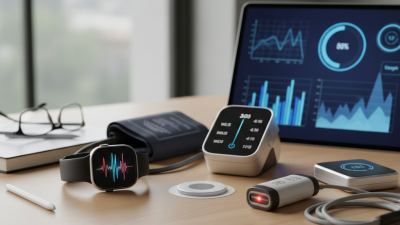
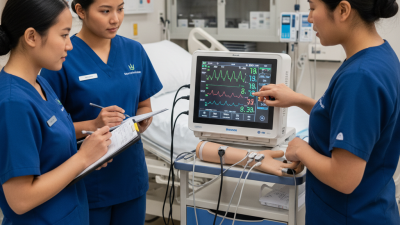
Global buyers need more than a broad product catalog when sourcing medical equipment supplies. They need dependable performance, documented quality, and support that continues after delivery. A hospital may require patient monitors, infusion pumps, diagnostic devices, surgical instruments, or sterilization systems. Each product must match clinical needs, facility conditions, and local regulatory requirements.
Details matter. A monitor’s alarm settings should suit the care environment. A sterilizer must fit the facility’s workflow, water quality, and maintenance capacity. Suppliers should provide clear specifications, user manuals, training options, warranty terms, and traceable batch information. Independent certifications can support confidence, but buyers should still verify their relevance and current validity. A trusted distributor should explain lead times, spare parts availability, installation requirements, and after-sales service without hiding limitations.
Small oversights become expensive.
Experienced procurement teams compare total ownership costs, not only purchase prices. They assess calibration schedules, consumables, software updates, cybersecurity controls, and staff training. They also confirm packaging quality for long-distance transport, especially where temperature or humidity may change. Local clinical professionals should review technical claims before approval. Their practical feedback often reveals problems that brochures miss.
No catalog is perfect. Even reputable suppliers may provide incomplete information or outdated documents. Buyers should request clarification, record evaluation decisions, and test critical equipment before full deployment. A careful process reduces avoidable delays and protects patient care. This guide examines reliable medical equipment supplies for global purchasing, with attention to quality, compliance, usability, and long-term supplier accountability.
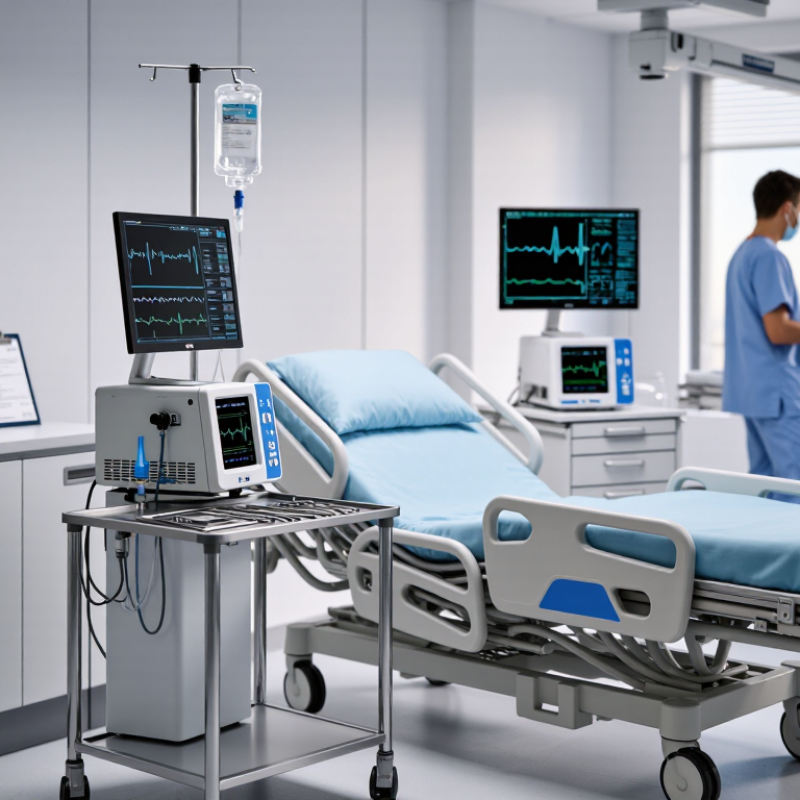
Global medical-device revenue reached $512 billion in 2022, showing the scale of demand. That figure is impressive, but it does not make every product a safe purchase. Buyers still need to examine intended use, clinical evidence, manufacturing controls, and local registration requirements. A large market can hide uneven quality. It can also hide inflated specifications.
For hospitals and distributors, practical supplies include patient monitors, infusion equipment, diagnostic instruments, surgical tools, sterilization units, and protective consumables. Each category needs different checks. A monitor should provide readable data, stable alarms, and compatible power input. Sterilization equipment requires cycle validation, maintenance records, and clear operator training. Gloves, masks, and dressings need material details, packaging integrity, and traceable lot information. Small details matter.
Reliable sourcing depends on documented quality systems, transparent test reports, and responsive after-sales support. Buyers should compare total ownership cost, not only the quotation. Spare parts, calibration, shipping conditions, and disposal duties may change the final price. Currency movement and customs delays create further uncertainty. No checklist is perfect. A rushed selection can still pass paperwork and fail during a busy clinical shift.

Top Medical Equipment Supplies for Global Buyers
The FDA places medical devices into three risk-based classes. Class I devices present the lowest risk and usually require general controls, such as proper labeling and manufacturing oversight. Class II devices require additional controls, including performance testing or post-market monitoring. Class III devices support or sustain life and face the highest review burden. FDA’s Device Classification Overview estimates that about 47% of devices are Class I, 43% are Class II, and 10% are Class III. These figures challenge a common assumption: lower classification does not mean lower purchasing importance.
Global buyers should match every product to its intended use, user population, and operating environment. A bedside examination lamp may belong to a different regulatory pathway than a surgical light. Small details matter. Battery behavior, software functions, and patient contact can change the risk profile. The FDA Product Classification Database provides a practical starting point for checking product codes, controls, and submission pathways. However, database searches can mislead buyers when product descriptions are vague.
Procurement teams should request classification evidence, testing records, labeling samples, and quality-system documentation before placing large orders. WHO’s Medical Device Technical Series emphasizes needs assessment, lifecycle management, and maintenance planning. A device may pass technical review yet fail in a rural clinic because replacement parts arrive slowly. That weakness is often overlooked. Risk classification guides compliance, but real-world reliability depends on training, servicing, storage conditions, and documented supplier communication.
| FDA Class | Relative Risk | Regulatory Principle | Representative Medical Equipment or Supplies | Typical FDA Controls | Common U.S. Premarket Route | Key Buyer Documentation | Global Procurement Considerations |
|---|---|---|---|---|---|---|---|
| Class I |
Low risk Devices for which general controls are normally sufficient. |
General controls are considered adequate to provide reasonable assurance of safety and effectiveness for the intended use. | Manual stethoscopes, tongue depressors, manual surgical instruments, non-powered examination tables, and certain examination gloves. | Establishment registration, device listing, labeling requirements, reporting obligations, and applicable quality-system controls. Many Class I devices are exempt from 510(k), although exemptions may have limitations. | Often 510(k)-exempt; some products may require a 510(k) depending on the device type, intended use, and applicable exemption limitations. | Device listing information, intended-use statement, labeling and instructions for use, material specifications, sterilization status, lot or batch information, and applicable conformity documents. | Confirm whether the product is sterile, reusable, single-use, or supplied with accessories. Local import, language, electrical, packaging, and registration requirements may still apply. |
| Class II |
Moderate risk Devices requiring additional controls beyond general controls. |
General controls combined with special controls are used when general controls alone are insufficient but the device does not generally require the highest level of oversight. | Infusion pumps, powered wheelchairs, digital thermometers, pregnancy test kits, pulse oximeters, and many patient-monitoring devices. | Performance standards, postmarket surveillance, patient registries, special labeling, guidance documents, clinical or non-clinical performance testing, and other device-specific controls may apply. | Commonly 510(k) clearance when a suitable legally marketed predicate device exists. Some Class II devices may follow another applicable pathway or exemption. | 510(k) clearance details where applicable, electrical safety and electromagnetic compatibility test reports, software documentation, accuracy or performance data, calibration procedures, labeling, and maintenance requirements. | Check voltage and plug configuration, measurement units, cybersecurity documentation for connected devices, language requirements, calibration support, consumable availability, and training needs. |
| Class III |
High risk Devices that generally support or sustain life, prevent substantial health impairment, or present an unreasonable risk of illness or injury. |
General and special controls are not sufficient by themselves. The device normally requires the highest level of regulatory assurance before marketing. | Implantable pacemakers, implantable pulse generators, replacement heart valves, and certain other life-supporting or implantable devices. | Comprehensive design and manufacturing controls, risk management, clinical evidence, biocompatibility assessment where relevant, postmarket monitoring, adverse-event reporting, and strict traceability. | Generally Premarket Approval (PMA). A Humanitarian Device Exemption or another specific pathway may apply in limited circumstances. | PMA or applicable authorization information, clinical evidence, biocompatibility and sterilization validation, shelf-life data, implant or lot traceability, adverse-event procedures, and detailed instructions for use. | Verify national registration, clinical-use authorization, implant tracking, cold-chain or controlled logistics where required, qualified service support, surgeon or clinician training, and long-term follow-up obligations. |
Top Medical Equipment Supplies for Global Buyers
For global medical-equipment buyers, ISO 13485:2016 is more than a certificate on a supplier’s website. It defines a quality management system for consistent, safe, and traceable medical-device production. Buyers should ask how the supplier controls design changes, incoming materials, assembly steps, testing, packaging, and storage.
Look for documented procedures and clear quality records. A reliable supplier can explain batch identification, inspection results, calibration schedules, and complaint handling without hesitation. Risk-based thinking should appear in practical details, such as sealed packaging, controlled clean areas, and checks before shipment. Supplier evaluation also matters. Raw-material providers, subcontractors, and sterilization services should be monitored through defined criteria.
During sourcing work, I have found that a polished certificate alone is not enough. The real evidence often sits on the production floor. Operators should understand work instructions, isolate nonconforming products, and record corrective actions. Audits can reveal small gaps, such as incomplete signatures or outdated forms. These issues may seem minor, but repeated documentation errors can weaken traceability.
Ask for current certification scope and recent audit findings when appropriate. Confirm that the scope covers the supplied equipment, not only unrelated products. Communication also deserves attention. A capable supplier reports delays, deviations, and corrective plans early. No system is perfect. Even mature manufacturers need periodic training, internal audits, and honest review of weak processes.
This chart maps the five auditable core requirement areas of ISO 13485:2016 to their clause numbers: quality management system, management responsibility, resource management, product realization, and measurement, analysis and improvement. The values identify clause locations and are not compliance scores.
For global buyers, EU market access begins with risk classification under EU MDR 2017/745. The regulation defines four classes: I, IIa, IIb, and III. Class I generally covers lower-risk products, while Class III includes the highest-risk devices. Classification depends on intended purpose, duration of use, invasiveness, and active functions.
A reusable surgical instrument may follow one route, while a powered monitoring device may require deeper conformity assessment. Some Class I devices still need sterile or measuring controls. Most Class IIa, IIb, and III devices require notified body involvement. Buyers should check the declaration of conformity, CE marking, technical documentation, and post-market surveillance evidence before placing purchase orders.
It also identifies more than 900,000 different medical technologies and a sector dominated by small and medium-sized enterprises. This scale creates opportunity, but documentation quality varies. That is a real procurement risk.
A supplier’s certificate alone is not enough. Verify the certificate scope, device model, expiry date, and notified body details. Confirm that the economic operator structure supports EU MDR obligations. For imported equipment, traceability records and unique device identification should match the delivered unit. Classification is not always obvious, especially for software and combination products. A careful buyer should request a written rationale, then challenge it when the intended use changes.
Global medical procurement must place safety before attractive prices. WHO guidance emphasizes quality, risk control, affordability, and dependable supply. Buyers should verify product specifications, regulatory documents, sterilization status, and traceability records. A sealed package is not enough. Check expiration dates, batch numbers, labeling, and storage conditions. For diagnostic devices, request calibration evidence and clear operating instructions. These details protect patients and reduce costly failures.
Tips: Compare total cost, not only the purchase price. Include freight, insurance, installation, training, maintenance, and spare parts. Ask suppliers about production capacity and backup plans. Review sample inspection reports before placing large orders. Confirm temperature-control procedures for sensitive supplies. Keep communication records. Small gaps can become serious problems.
Reliable sourcing also requires practical judgment. A supplier may offer excellent documents but weak after-sales support. Another may deliver quickly but provide inconsistent packaging. I have seen procurement plans focus heavily on price, while ignoring replacement timelines. That approach needs reflection. Buyers should assess supplier experience, quality systems, complaint handling, and delivery performance over time. Independent inspections can add confidence, especially for unfamiliar markets. Still, no system is perfect. Recheck critical information before shipment, and record every decision clearly.
©2026Infinium Medical
Adding {{itemName}} to cart
Added {{itemName}} to cart