2026 How to Choose the Best Medical Monitoring Devices for Your Health Needs?
In today's health-conscious world, choosing the right medical monitoring devices can significantly impact your well-being. These devices offer essential insights into your health status. They can track vital signs, manage chronic conditions, and provide peace of mind. With so many options available, making the right choice is crucial.
Understanding your unique health needs is the first step. What works for one person may not work for another. Patients must consider their specific conditions, lifestyle, and preferences. For example, a device that tracks heart rate might be crucial for a heart patient but less relevant for someone without heart issues.
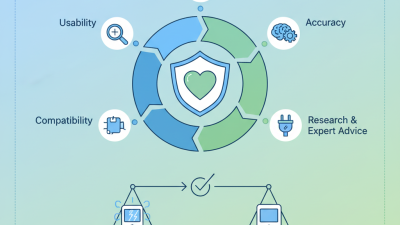
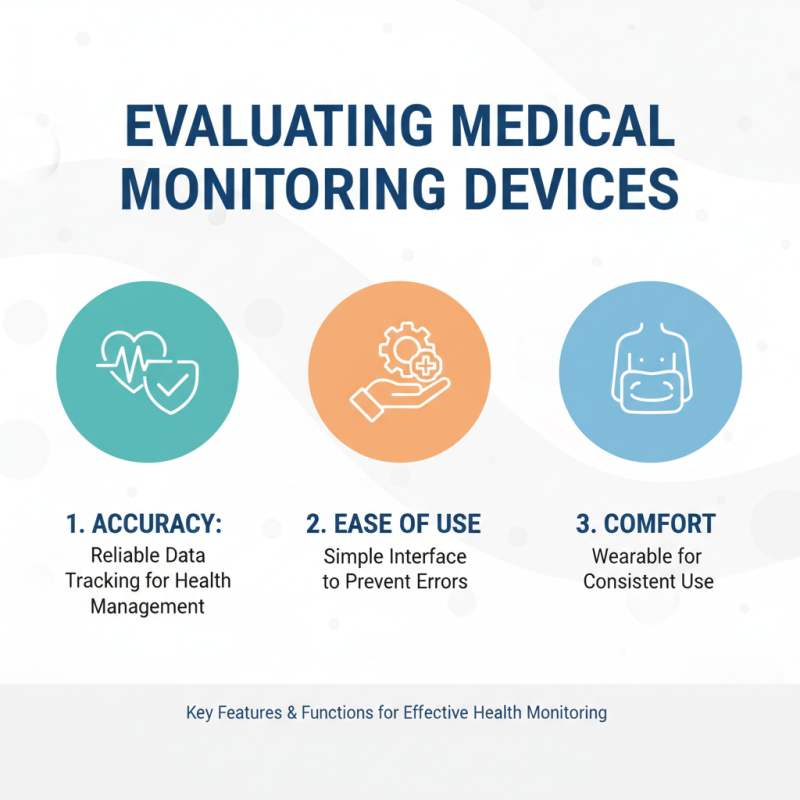
Furthermore, the reliability of medical monitoring devices is paramount. Not all devices provide accurate data. Some may lack features or compatibility with other health tools. It's vital to research brands, read reviews, and consult health professionals. This ensures you invest in a device that genuinely enhances your health management.
Reflecting on these points can aid in making a thoughtful decision about medical monitoring devices.
Understanding Different Types of Medical Monitoring Devices
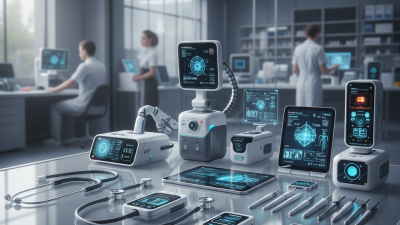
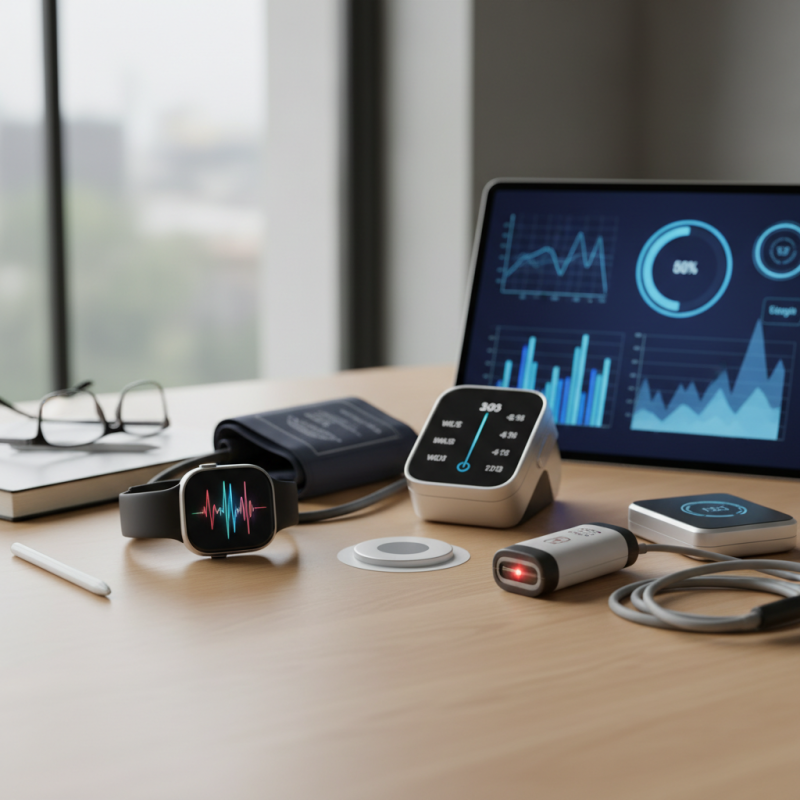
Choosing the right medical monitoring devices can be overwhelming. Understanding the various types available helps narrow down your options. Common categories include wearables, stationary monitors, and implantable devices. Each serves a unique purpose and fits different health needs.
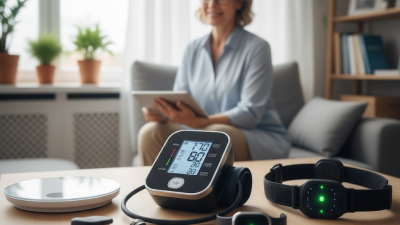
Wearables, like fitness trackers, offer real-time data on activity levels and heart rate. They are user-friendly and convenient. However, they may not always provide comprehensive health insights. Stationary monitors, including blood pressure cuffs, deliver specific health metrics. They require consistency for accurate readings but are generally reliable for chronic conditions.
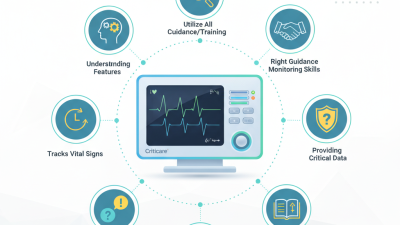
Tips: Always consult healthcare professionals before making a decision. They can recommend devices based on your unique health situation. Consider usability and comfort. Some devices may look appealing but feel cumbersome during daily activities. It's crucial to reflect on how often you will use the device to ensure it fits your lifestyle.
Comparison of Different Types of Medical Monitoring Devices
Assessing Your Health Needs and Conditions
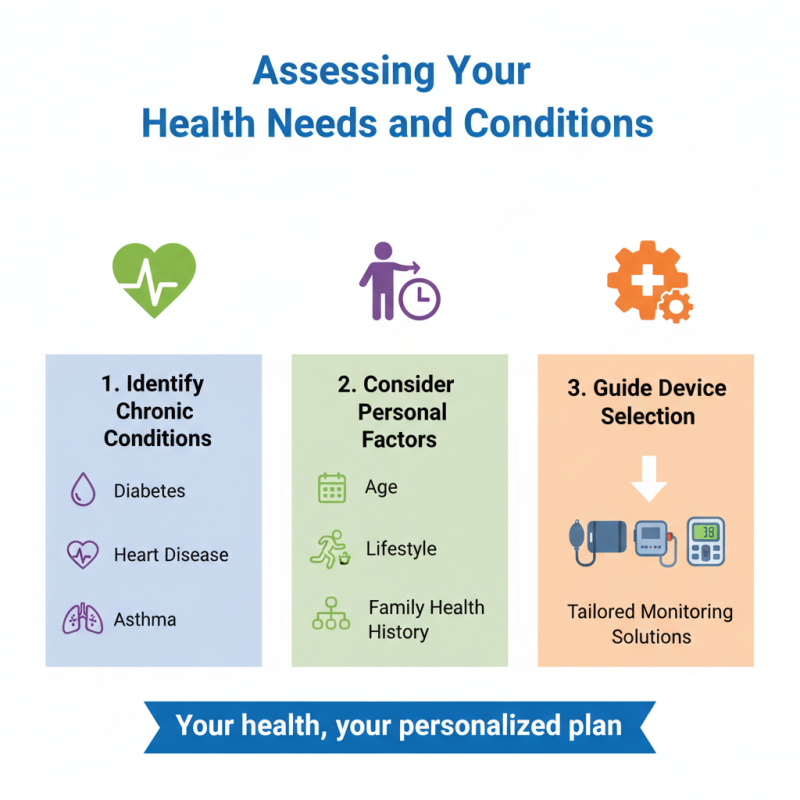
When assessing your health needs, it’s essential to consider specific factors that affect your wellbeing. Start by identifying any chronic conditions you face. Conditions like diabetes, heart disease, or asthma require tailored monitoring solutions. Think about your age, lifestyle, and family health history. These factors can guide you in selecting the right medical device.
Evaluate what you need from a monitoring device. Are you looking for simple blood pressure tools, or do you require advanced glucose monitors? Focus on usability. It should be easy to read and operate. Some devices come with apps that track your health data. This can be helpful. However, many users find themselves overwhelmed by too much information.
Don’t ignore the importance of comfort and portability. Some devices can be bulky and inconvenient. Reflect on how often you will use them and where. You might face challenges in integrating new tools into your daily routine. It’s crucial to choose devices that enhance your lifestyle, not complicate it.
Considering Compatibility with Your Lifestyle
Choosing a medical monitoring device is a significant decision that should consider your lifestyle. According to a report by the American Health Association, nearly 60% of users abandon their devices due to difficulty in integration with daily routines. Thus, finding a device that fits seamlessly into your life is crucial.
Many users prioritize features like portability and ease of use. Compact devices, such as smartwatches, can monitor heart rates and track activities without cumbersome setups. However, people often overlook battery life and connectivity. A device that frequently needs charging or struggles to sync with your phone can lead to frustration. This can impact long-term adherence to health monitoring, as seen in a study from the Journal of Medical Internet Research.
Compatibility extends beyond technology; it includes personal habits too. For instance, someone with a busy lifestyle may prefer devices that require minimal input and provide automatic updates. Reflecting on your daily practices can guide choices. Are you likely to forget to charge your device? If so, opt for one with a longer battery lifespan. The consideration of these details will enable better health management and more consistent device usage.
2026 How to Choose the Best Medical Monitoring Devices for Your Health Needs? - Considering Compatibility with Your Lifestyle
| Device Type |
Main Features |
Compatibility with Lifestyle |
Average Price ($) |
| Fitness Tracker |
Activity tracking, heart rate monitoring, sleep analysis |
Great for active lifestyles, integrates with smartphone apps |
70 |
| Smart Blood Pressure Monitor |
Bluetooth enabled, memory storage for multiple users |
Ideal for users needing regular BP checks, can sync data to a mobile device |
50 |
| Wearable ECG Monitor |
Real-time heart monitoring, alerts for irregularities |
Suitable for health-conscious individuals or those with heart issues |
150 |
| Continuous Glucose Monitor |
Real-time glucose level tracking, data sharing with healthcare providers |
Essential for diabetics, fits seamlessly into daily routine |
300 |
| Smart Pill Dispenser |
Automated medication reminders, smartphone notifications |
Best for elderly or individuals managing multiple prescriptions |
100 |
Reading Reviews and Recommendations for Top Devices
When exploring the best medical monitoring devices, reading reviews and recommendations is crucial. Industry reports show that 73% of consumers rely on product reviews. These insights can guide you in making informed decisions about your health. With many options available, it becomes essential to discern which devices truly meet your needs.
Look for expert recommendations based on robust data. Not all devices are created equal. According to a recent study, only 40% of medical devices perform as well as claimed. Reading through user experiences can highlight potential shortcomings. Be cautious of overly positive reviews, as they may lack depth and reliability.
It's important to consider what others say about device usability. A device may excel in features but fall short in day-to-day use. For instance, a user might find a fitness tracker sophisticated but cumbersome. Such insights can lead to better choices. Think critically about these reviews. Every device has pros and cons. Balancing features, usability, and user feedback will enhance your health monitoring journey.