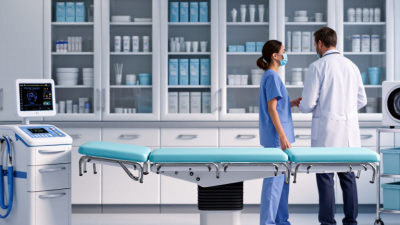
Choosing the right medical office equipment is a practical decision with long-term consequences. It affects patient safety, staff efficiency, infection control, and daily operating costs. Global buyers must assess more than price or attractive product images. A reliable examination table, digital blood pressure monitor, autoclave, or diagnostic light should match the clinic’s workflow, patient volume, and available space.
This guide introduces ten essential equipment categories for medical offices worldwide. Each selection reflects common clinical needs, purchasing experience, and guidance from established healthcare practices. Important details include material durability, calibration options, maintenance access, warranty coverage, and supplier support. Electrical requirements also matter. A device designed for one voltage standard may require approved regional adaptation, not an improvised solution. Check certifications carefully.
Small details matter.
A buyer should request technical documents, user instructions, and service records before placing an order. Local healthcare regulations, import requirements, and professional standards may differ significantly between countries. Therefore, this article does not treat one product as perfect for every facility. A compact clinic may value portability, while a busy outpatient center may need faster processing and stronger construction. Even trusted equipment can fail when staff training or maintenance is overlooked. That is an uncomfortable point, but it deserves attention.
The following recommendations aim to help administrators, physicians, procurement teams, and healthcare investors compare equipment with greater confidence. They focus on safe use, practical value, and dependable ownership rather than marketing language alone. A careful decision today can reduce interruptions, protect patients, and support better care tomorrow.
Global buyers need more than a long equipment checklist. The FDA classifies medical devices by risk and regulatory control. WHO’s Global Atlas of Medical Devices reports over two million device types across more than 7,000 generic groups. That scale makes careful classification essential.
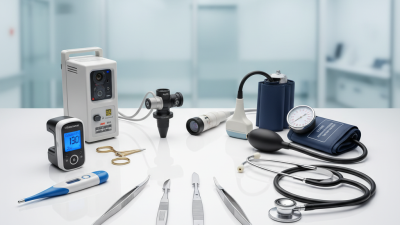
Class I includes stethoscopes, manual blood-pressure cuffs, and examination tables. These devices usually present lower risk and often require fewer controls. Class II covers automated blood-pressure monitors, digital thermometers, pulse oximeters, ECG machines, and diagnostic ultrasound systems. These products typically require stronger performance evidence, labeling, and often 510(k) clearance. Small details matter. Intended use changes the category.
Class III includes implantable pacemaker systems and prosthetic heart valves, which demand the highest level of FDA oversight. They are not routine office purchases, but specialty clinics may coordinate their use. FDA’s device database shows that classification depends on product code, intended purpose, and technological characteristics. A device may appear simple but still carry substantial clinical risk. This list is useful, not perfect. Buyers should verify each model’s FDA status, electrical certifications, service support, and training needs before ordering. A low purchase price can hide calibration costs, replacement parts, or difficult maintenance.
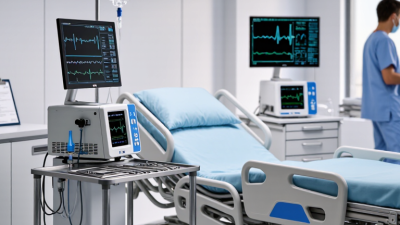
Vital-sign monitors deserve priority in every medical office purchasing plan.
They influence triage, follow-up visits, and urgent clinical decisions. For non-invasive blood pressure devices, buyers should examine ISO 81060-2 validation evidence. This standard addresses clinical accuracy under defined testing conditions. Ask suppliers for complete test reports, not only a compliance statement. Check whether validation covers the intended adult, pediatric, or special patient groups. Cuff range matters. A narrow cuff can produce misleading readings. Staff should also inspect repeatability, inflation comfort, screen readability, and data export functions.
Pulse oximeters require equally careful review under ISO 80601-2-61.
Performance can change with motion, cold fingers, poor circulation, or artificial nails. Test procedures should reflect realistic clinical use. Look for clear oxygen saturation and pulse-rate displays, adjustable alarms, battery details, and cleaning instructions. A busy nurse should understand the device within seconds. That practical test is often overlooked. It should not be.
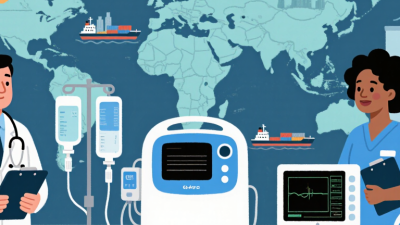
Global buyers also need traceable calibration plans, multilingual instructions, electrical safety documents, and regional regulatory records.
Service access matters when a monitor fails during a morning clinic. In my experience, the cheapest unit can become expensive after replacement sensors, training gaps, or uncertain maintenance. Still, no purchasing checklist is perfect. Patient populations differ, and laboratory accuracy does not guarantee effortless daily use. Invite clinical staff to test sample devices before approving a larger order. Their criticism may reveal problems that technical documents miss.
For global buyers, primary-care equipment should reveal common risks quickly and safely. A durable examination couch, stethoscope, digital thermometer, blood-pressure monitor, and pulse oximeter form the basic examination set. Add a glucometer, hemoglobin analyzer, urine test system, pregnancy test kit, and portable electrocardiograph where clinical demand supports them. Keep it practical.
The WHO Global Report on Hypertension 2023 estimates that 1.28 billion adults aged 30–79 have hypertension, while about 46% are unaware of their condition. Accurate blood-pressure cuffs, multiple cuff sizes, and repeat measurements therefore matter more than impressive specifications. The WHO Model List of Essential In Vitro Diagnostics, 2023 edition, supports selecting tests that address infections, diabetes, anemia, pregnancy, and other high-volume primary-care needs.
Procurement teams should check calibration intervals, battery life, ambient-temperature limits, cleaning requirements, and local training capacity. A pulse oximeter that fails in cold weather is not a bargain. Nor is a complex analyzer that staff cannot maintain. WHO guidance emphasizes quality-assured diagnostics and appropriate referral pathways, but equipment lists alone cannot create reliable care. That is the uncomfortable part. Buyers may need fewer devices, better workflows, and spare consumables. I would also test every model with actual clinicians before large-scale purchasing, because brochures rarely show dusty rooms, power cuts, or crowded morning clinics.
| No. | Equipment Category | Primary-Care Function | Recommended Technical Specification | Typical Measurement Range or Capacity | Power and Portability Considerations | Key Procurement Criteria | Suggested Priority |
|---|---|---|---|---|---|---|---|
| 1 | Adjustable Examination Couch | General physical examination, minor procedures, wound care and patient positioning. | Rigid, cleanable surface; adjustable backrest; washable medical-grade upholstery; paper-roll holder; stable step or patient-access support. | Typical length: 180–200 cm; width: 60–70 cm; working height: approximately 65–90 cm; safe working load commonly 150 kg or more. | Non-powered models are suitable for settings with unreliable electricity. A lightweight frame improves relocation between rooms. | Load rating, corrosion resistance, cleanability, patient-transfer safety, replacement upholstery and spare-part availability. | Essential |
| 2 | Adult and Pediatric Weighing Scale | Weight assessment, nutrition screening, body-mass-index calculation and medication-dose support. | Non-slip platform; clear display; tare function; calibration capability; optional height rod for standing-height measurement. | Adult capacity commonly 150–200 kg; resolution typically 100 g or 200 g. Pediatric scales commonly support infants up to 20–25 kg. | Battery or mechanical operation is useful in areas with intermittent power. A foldable or low-weight design supports outreach services. | Accuracy, platform size, safe maximum load, ease of cleaning, calibration process and suitability for local patient populations. | Essential |
| 3 | Automated Non-Invasive Blood Pressure Monitor | Screening and monitoring of hypertension, hypotension, pregnancy-related hypertension and cardiovascular risk. | Upper-arm measurement; adult, large-adult and pediatric cuffs; irregular-heartbeat detection; memory function; validated measurement algorithm. | Typical pressure range: 0–299 mmHg; pulse range commonly 40–199 beats per minute; measurement accuracy target: approximately ±3 mmHg for pressure. | Battery operation with optional mains adapter. Rechargeable batteries or replaceable standard batteries are practical for primary-care facilities. | Independent clinical validation, correct cuff sizing, cuff durability, calibration support and performance in different patient populations. | Essential |
| 4 | Pulse Oximeter | Rapid assessment of oxygen saturation and pulse rate in respiratory illness, emergency triage and chronic disease follow-up. | Finger sensor with clear display; adjustable screen orientation; low-battery indicator; audible or visual pulse signal. | Oxygen saturation commonly 70–100%; pulse rate commonly 30–250 beats per minute; many devices specify approximately ±2% accuracy between 70% and 100% saturation. | Battery-powered and highly portable. A model with replaceable batteries is useful where charging infrastructure is limited. | Performance with motion, low perfusion and darker skin pigmentation; sensor quality; alarm settings; cleaning instructions and validation evidence. | Essential |
| 5 | Clinical Thermometer | Detection and monitoring of fever, infection and hypothermia. | Digital contact thermometer or validated non-contact infrared model; rapid reading; waterproof probe for contact devices; replaceable probe covers where required. | Contact models commonly measure approximately 32–43°C; infrared models commonly measure approximately 32–43°C with stated accuracy around ±0.2–0.3°C under specified conditions. | Battery-powered, compact and suitable for mobile clinics. Contact models generally require less environmental control than infrared devices. | Measurement site, ambient-temperature limitations, cleaning method, calibration checks, battery availability and infection-prevention requirements. | Essential |
| 6 | Blood Glucose Meter | Point-of-care screening and monitoring of diabetes and acute metabolic conditions. | Small-volume blood sample; clear display; memory storage; control-solution testing; individually packaged or well-protected test strips. | Common analytical range: approximately 10–600 mg/dL, equivalent to 0.6–33.3 mmol/L, depending on the selected system. | Battery operation is standard. Test strips require controlled storage, and many systems are affected by heat, humidity and expiration dates. | Compliance with applicable accuracy requirements such as ISO 15197:2013, strip shelf life, local supply continuity, calibration method and waste disposal. | Essential |
| 7 | Dual-Head Clinical Stethoscope | Cardiac, pulmonary, abdominal and vascular auscultation during routine examination. | Diaphragm and bell; comfortable ear tips; latex-free tubing where possible; replaceable diaphragm and ear-tip components. | Acoustic device; performance depends on chest-piece design, tubing quality, ambient noise and user technique rather than a fixed measurement range. | Fully non-powered, durable and highly portable. No charging or battery supply chain is required. | Acoustic clarity, ergonomic weight, tubing durability, availability of replacement parts and ease of disinfection. | Essential |
| 8 | Otoscope and Ophthalmoscope Examination Set | Examination of the ear canal, tympanic membrane, eye, pupil and selected external structures. | Bright, consistent illumination; reusable or disposable specula; magnification; rechargeable or replaceable power source; secure instrument handle. | Common otoscope magnification is approximately 2.5× to 4×. Speculum sizes should include pediatric and adult options. | Battery or rechargeable operation. A compact storage case protects optics and supports outreach or satellite-clinic use. | Light output, optical clarity, speculum availability, infection-control process, battery autonomy and serviceability. | Recommended |
| 9 | Portable Diagnostic Ultrasound System | Selected assessment of pregnancy, abdominal conditions, urinary retention, fluid status and basic emergency findings when trained staff are available. | Portable console or tablet-based system; convex probe for abdominal imaging; linear probe for superficial structures; image storage and measurement tools. | Typical probes include approximately 2–5 MHz for deeper abdominal imaging and 5–12 MHz for superficial structures. Battery operation commonly supports about 1–4 hours, depending on configuration. | Battery-backed operation is valuable in low-resource settings. Equipment should tolerate transport, dust and temperature variation within the manufacturer’s stated limits. | Training and credentialing requirements, image quality, probe durability, data protection, preventive maintenance and availability of technical support. | Advanced |
| 10 | Medical Oxygen Concentrator | Production of supplemental oxygen for selected respiratory, emergency and maternity-care needs. | Continuous-flow output; oxygen concentration indicator; hour meter; oxygen alarm; bacterial filter; compatible tubing and patient interfaces. | Common models deliver 5–10 L/min. Oxygen concentration is often specified at approximately 82–95% across the rated flow range, depending on model and operating conditions. | Requires reliable electricity and adequate ventilation. A voltage stabilizer, backup power plan and regular filter maintenance may be necessary. | Output concentration at rated flow, power consumption, altitude performance, alarm functions, service intervals and availability of replacement filters. | Recommended |
Procurement note: Specifications shown are typical selection parameters for primary-care purchasing and may vary by device configuration. Buyers should verify national regulatory approval, applicable IEC or ISO requirements, calibration procedures, user training, preventive maintenance and local availability of consumables before purchase.
For global buyers choosing medical office equipment, autoclaves deserve stricter scrutiny than attractive specifications. The WHO Global Report on Infection Prevention and Control (2022) estimates that about 7% of patients in high-income countries and 15% in low- and middle-income countries acquire at least one healthcare-associated infection. Sterilization performance is not a minor purchasing detail.
CDC guidance identifies steam as the preferred method for heat- and moisture-stable critical instruments. Its recommendations describe common cycles, including 121°C for 30 minutes in gravity displacement units and 132°C for four minutes in prevacuum units. These settings are not universal. Load type, packaging, altitude, and equipment design can change the required exposure. Buyers should request cycle records, temperature mapping, pressure checks, and maintenance history. Chemical indicators should be used with each package, while biological indicators should be tested at least weekly and for every implant load, according to CDC guidance.
ISO 17665:2024 requires a documented moist-heat sterilization process, including validation, routine monitoring, load definition, and quality records. Ask for validation evidence, not only a conformity statement. Check whether the test load matches daily practice. A chamber passing an empty-cycle test proves little. Small clinics may also overlook water quality and operator training. That mistake is common. The purchasing file should include alarm history, calibration certificates, user instructions, and failed-cycle procedures. No system is flawless. A careful buyer leaves room for human error and verifies recovery steps before installation.
Use these CDC-referenced minimum exposure times as a screening reference when evaluating steam autoclaves. Exposure time is not the total cycle time, and every cycle must be validated for its equipment, load configuration, packaging, temperature, pressure, and monitoring process under ISO 17665.
Gravity-displacement and prevacuum steam sterilizers use different validated exposure parameters.
Confirm documented validation, routine monitoring, load definitions, and release records for each cycle.
Check temperature uniformity, pressure control, air removal, drying performance, alarms, and traceability.
Reference: CDC, Guideline for Disinfection and Sterilization in Healthcare Facilities, steam sterilization parameters. ISO 17665 covers the development, validation, and routine control of moist-heat sterilization processes for medical devices.
10 Best Medical Office Equipment for Global Buyers?
Global buyers should compare compliance before comparing prices. ISO 13485 certification indicates a documented quality management system, not automatic product quality. The ISO Survey 2023 recorded more than 30,000 ISO 13485 certificates worldwide, showing its broad relevance in medical manufacturing. Ask for the certificate scope, audit status, risk controls, and complaint-handling records. A certificate with unclear scope deserves caution.
Look closely at practical equipment details. Check electrical voltage, plug compatibility, calibration intervals, cleaning agents, spare parts, and user training. A low-cost examination light may need expensive adapters or replacement batteries. A monitor may require region-specific software and service support. These costs belong in the total cost of ownership. The World Health Organization’s Global Strategy on Digital Health 2020–2025 also stresses interoperability, data protection, and sustainable implementation. Those concerns affect connected diagnostic equipment.
Quality is visible in small moments. Does the supplier provide traceable calibration reports? Can technicians replace a damaged cable without shipping the entire unit? Are instructions available in the clinic’s working language? Test these questions before purchase. I have seen buyers overvalue purchase price and undervalue downtime. That mistake is common.
Some evidence may remain incomplete. Suppliers may publish polished compliance claims but limited field-performance data. Request independent test reports, post-market surveillance information, and references from comparable facilities. Then compare purchase price, maintenance, consumables, training, shipping, taxes, and disposal requirements across the equipment’s expected service life.
©2026Infinium Medical
Adding {{itemName}} to cart
Added {{itemName}} to cart