Top 10 Medical Instruments for Global Buyers to Consider?
In the ever-evolving healthcare landscape, selecting the right medical instruments is vital for effective patient care. From precision surgical tools to advanced diagnostic devices, a range of options exists for global buyers. This variety can be daunting, yet informed choices can enhance service efficacy and patient outcomes.
Understanding the nuances of medical instruments is key. Buyers must consider factors like quality, functionality, and compliance with safety standards. Unfortunately, many overlook these aspects. Poor selection can lead to subpar treatment and increased costs. Highlighting top instruments aids in navigating this complex market while ensuring reliability.
With technology advancing rapidly, staying updated on new medical instruments is essential. Engaging with experts or attending industry conferences can provide invaluable insights. However, continuous learning and adaptation are necessary to avoid complacency. Only then can buyers confidently make choices that elevate healthcare quality globally.
Key Considerations for Choosing Medical Instruments for Global Buyers
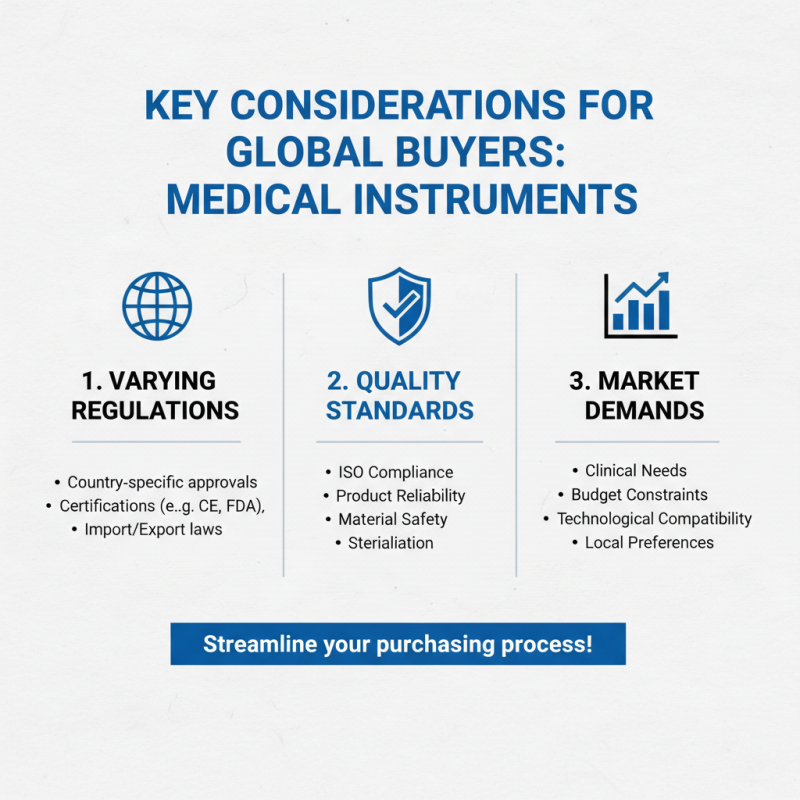
Selecting medical instruments requires careful thought. Global buyers face unique challenges. Different countries have varying regulations, quality standards, and market demands. Understanding these factors can streamline the purchasing process.
Quality and durability are top considerations. Instruments should withstand rigorous use and sterilization. Buyers must ensure that the products meet international standards. Conducting thorough research on materials and manufacturing processes is vital. Some instruments may appear affordable yet lack reliability. This can lead to frequent replacements and increased costs.
Understanding the needs of healthcare professionals is equally important. Engaging with end-users can provide insights into functionality and ease of use. Buyers should prioritize instruments that enhance patient care and safety. Often, investing in advanced features pays off in the long run. However, assessing the true necessity of these features can be challenging. Balancing cost and quality remains a critical aspect of decision-making.
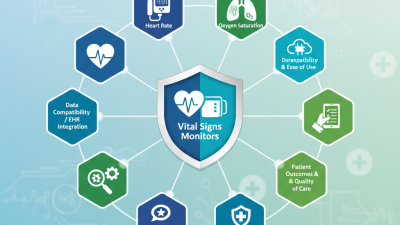
Essential Features of Top Medical Instruments in the Global Market
The global medical instrumentation market is projected to reach $650 billion by 2027, with a CAGR of 5.2% from 2020. Key instruments include diagnostic devices, surgical tools, and monitoring equipment. Each category possesses unique features vital for effective healthcare delivery.
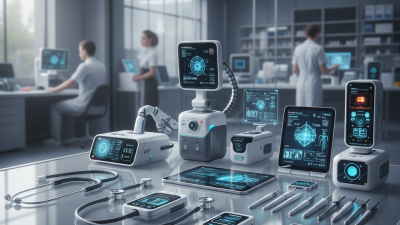
Diagnostic devices like MRI machines and CT scanners offer detailed imaging. They enhance accuracy in disease detection. Advanced sensors and AI integration improve diagnostic precision. Surgical tools are evolving too. Robotic surgery instruments provide unparalleled precision while minimizing recovery time. Their ergonomic designs contribute to surgeon efficiency and patient safety.
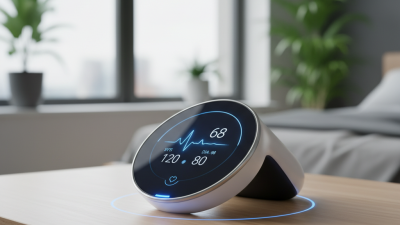
Patient monitoring equipment plays a crucial role in critical care settings. Heart rate monitors and blood pressure cuffs are essential for tracking vital signs. They provide real-time data to healthcare professionals. However, reliability can vary across different devices. Regular calibration and maintenance are necessary to ensure accuracy and trustworthiness. Data from the World Health Organization highlights the need for consistent quality in these instruments to improve patient outcomes.
Comparative Analysis of Leading Medical Instruments by Functionality
When exploring essential medical instruments, functionality stands as a critical factor for global buyers. These instruments vary significantly in their uses, from diagnostics to treatment. Understanding each instrument's role can significantly influence purchase decisions. For example, diagnostic tools must provide accurate results quickly, while surgical instruments require precision and durability.
Tips: Always prioritize instruments that optimize workflow. Compatibility with existing systems should be a key consideration.
Quality and usability are paramount. Instruments must be ergonomic and easy to handle. A user-friendly design can improve efficiency and minimize errors. Likewise, choosing instruments that allow for quick sterilization and maintenance is crucial in a fast-paced medical environment.
Tips: Engage staff in the selection process. Feedback from healthcare professionals can reveal strengths and weaknesses of instruments. Regularly assess and refine your selection to adapt to changing needs. It's essential to stay informed about advancements in medical technology.
Overview of Regulatory Standards Impacting Medical Instrument Selection
When selecting medical instruments, understanding regulatory standards is crucial. Different regions have distinct regulations impacting product safety and effectiveness. For example, the Food and Drug Administration (FDA) in the United States oversees medical device approval and mandates rigorous testing. In contrast, the European Union has the Medical Device Regulation (MDR), which emphasizes clinical evaluation and post-market surveillance.
A report by Research and Markets indicates that about 60% of medical devices experience delays due to regulatory compliance issues. Regional regulations can vary significantly, affecting development pathways. Countries may require specific documentation and testing, which can vary in scale and depth. This complexity can impact small manufacturers disproportionately, sometimes stifling innovation.
Choosing the right instruments means navigating this regulatory maze. Failing to understand local rules can lead to costly errors. Manufacturers should prioritize engaging with regulatory experts early in the design process. This collaboration enhances compliance and streamlines market entry, benefiting healthcare providers globally. The landscape of medical instruments is changing swiftly, making continuous learning essential for stakeholders. Engaging with regulatory bodies ensures alignment with evolving standards and consumer safety needs.
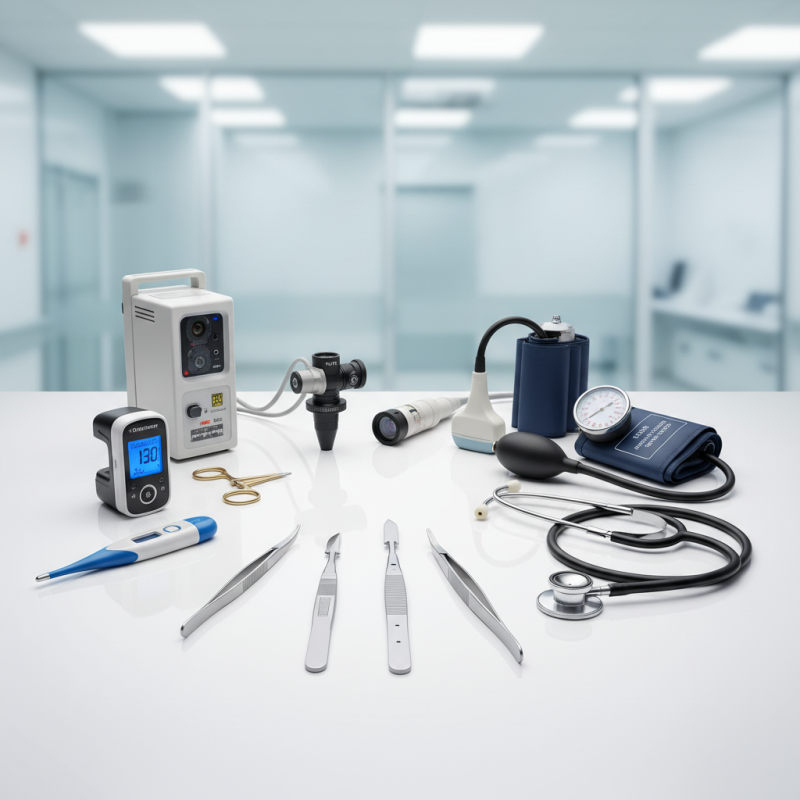
Top 10 Medical Instruments for Global Buyers to Consider
| Instrument |
Primary Use |
Regulatory Standards |
Key Considerations |
| Surgical Scissors |
Cutting tissue |
ISO 13485 |
Material quality and sharpness |
| Stethoscope |
Listening to heart and lung sounds |
FDA Regulations |
Acoustic performance and comfort |
| Syringe |
Administering injections |
ISO 80369 |
Safety features and needle gauge |
| Blood Pressure Monitor |
Measuring blood pressure |
IEC 80601 |
Accuracy and calibration |
| Ultrasound Machine |
Imaging and diagnostics |
ISO 14971 |
Image quality and portability |
| Defibrillator |
Restoring heart rhythm |
FDA and AAMI standards |
Ease of use and battery life |
| Electrocardiogram (ECG) Machine |
Monitoring heart activity |
IEC 60601 |
Cost and data management |
| Thermometer |
Measuring body temperature |
ASTM standards |
Speed of reading and accuracy |
| Inhaler |
Delivering medication to lungs |
EU MDR |
Ease of use and dosage accuracy |
| Endoscope |
Internal examinations |
ISO 13485 |
Image quality and flexibility |
Trends and Innovations in Medical Instruments for International Buyers
In the ever-evolving landscape of medical instruments, international buyers must stay informed about the latest trends and innovations. Advanced imaging technologies, like portable ultrasound devices, are quickly gaining popularity due to their convenience and efficiency. These instruments allow healthcare providers to perform rapid assessments, improving patient outcomes in various settings. Additionally, the rise of telemedicine has fostered innovations in diagnostic tools that connect patients directly with specialists.
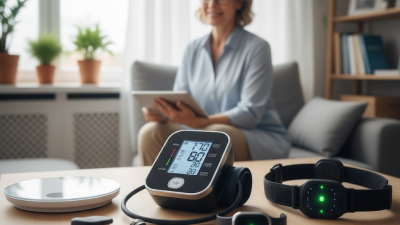
Wearable health monitors are another exciting development. These tools offer real-time data on vital signs, enabling proactive medical interventions. Companies focus on user-friendly designs and accurate sensors to enhance performance. However, the integration of these devices into existing healthcare systems poses challenges. Data privacy concerns and varying regulatory approvals can hinder widespread adoption. International buyers should consider these factors when exploring new technologies.
Sustainability is also becoming a central theme in medical instruments. Biodegradable materials and energy-efficient manufacturing processes are now priorities for many producers. Yet, sourcing these materials can be difficult, impacting the supply chain. Buyers must weigh the benefits of ecological choices against practical concerns like cost and availability. Embracing innovation while addressing these complexities will be crucial for successful procurement in the global market.
Top 10 Medical Instruments for Global Buyers