


Choosing the right surgical table is a critical decision that can significantly impact the efficiency of the operating room, the safety of patients, and the overall success of surgical procedures. While there are countless models on the market, certain key features should be non-negotiable when selecting a surgical table. These features not only enhance the functionality of the table but also ensure that it meets the evolving demands of modern surgical environments.
High Weight Capacity for Versatile Patient Support
One of the most crucial factors to consider is the weight capacity of the surgical table. A table with a high weight capacity, such as 1,000 lbs or more, ensures that it can safely support a wide range of patients, including bariatric cases. This capability not only promotes patient safety but also provides flexibility for healthcare facilities that handle diverse patient populations.
- Enhanced Safety: Reduces the risk of equipment failure during procedures.
- Operational Flexibility: Accommodates a broader range of patients without the need for specialized equipment.
- Future-Proofing: As patient demographics change, having a table that can handle higher weights ensures long-term usability.
Adjustable Height for Ergonomic Efficiency
Height adjustability is another key feature that improves both surgeon comfort and procedural efficiency. In orthopedic surgeries, for example, precise height adjustments allow surgeons to maintain an optimal posture during procedures that require detailed, repetitive movements. In gynecological and urological surgeries, lower table settings can enhance accessibility and visualization of the surgical site. For spinal and neurosurgeries, the ability to finely tune the table height ensures that delicate instruments can be used with greater precision, reducing strain on both the surgeon and the patient. Overall, adjustable height supports better ergonomics across specialties, leading to improved surgical outcomes and reduced fatigue for medical staff. A surgical table with a wide height adjustment range (e.g., from 22 to 42 inches) allows the surgical team to position the patient optimally, reducing physical strain and fatigue during long procedures.
- Improved Ergonomics: Minimizes the risk of musculoskeletal injuries for surgeons and staff.
- Procedure Versatility: Facilitates different surgical techniques and specialties.
- Better Visualization: Ensures optimal angles for both open and minimally invasive surgeries.
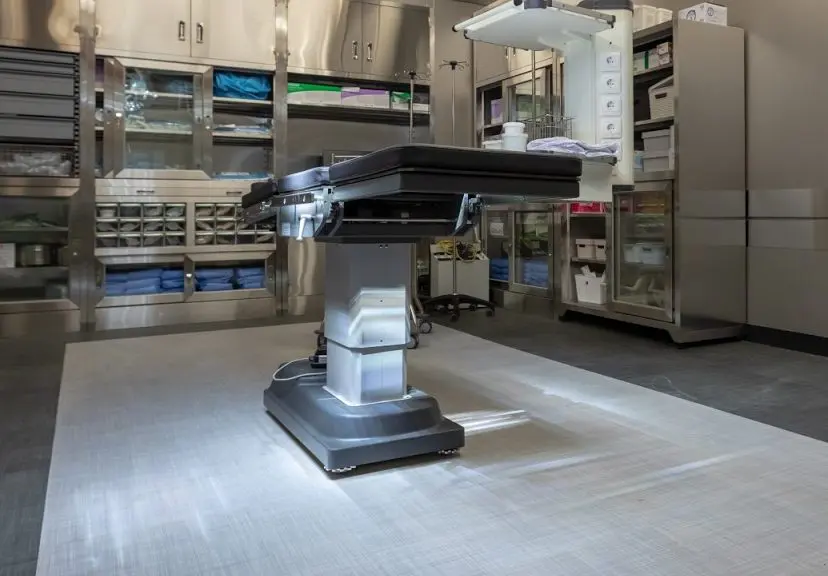
Intelligent Control Systems for Precision and Convenience
Modern surgical tables often come equipped with intelligent control systems that allow for precise adjustments with minimal effort. For example, some advanced systems feature an LCD touchscreen with real-time feedback, enabling quick and accurate modifications to table positioning, height, and tilt angles. This not only streamlines workflow but also reduces the risk of errors during critical adjustments. An intuitive, ergonomic remote control further enhances usability by minimizing the risk of accidental adjustments, ensuring quick access to positioning functions, and saving valuable time during procedures. Features like backlit displays, tactile buttons, preset memory positions, and wireless capabilities make adjustments more precise, user-friendly, and efficient for surgical teams.
- Streamlined Workflow: Reduces setup time between procedures.
- Consistency: Preset positions ensure uniformity, especially in repetitive procedures.
- Ease of Use: Intuitive controls reduce the learning curve for new staff members.
- Time Efficiency: Speeds up patient positioning and reduces procedure prep time.
- Error Prevention: Decreases the likelihood of accidental changes during surgery.
- User Comfort: Reduces strain for staff managing frequent table adjustments.
Versatile Positioning Capabilities for Multi-Specialty Use
A surgical table should be versatile enough to support a wide range of procedures, from orthopedic and spinal surgeries to gynecological and urological interventions. Look for tables that offer flexible positioning options, such as Trendelenburg, reverse Trendelenburg, lateral tilt, longitudinal slide, flex/reflex, 90-degree leg positioning, back adjustment, and kidney bridge elevation. These positions enhance surgical access, improve patient stability, and allow for optimal ergonomic alignment, benefiting both surgical outcomes and clinician comfort across various specialties.
- Multi-Specialty Functionality: For busy surgery centers with is critical, it reduces the need for multiple tables, saving both space and money.
- Improved Surgical Access: Enhances the surgeon’s ability to access the surgical site effectively.
- Patient Comfort and Safety: Facilitates optimal positioning without compromising stability.
Radiolucent Imaging Compatibility for Enhanced Diagnostics
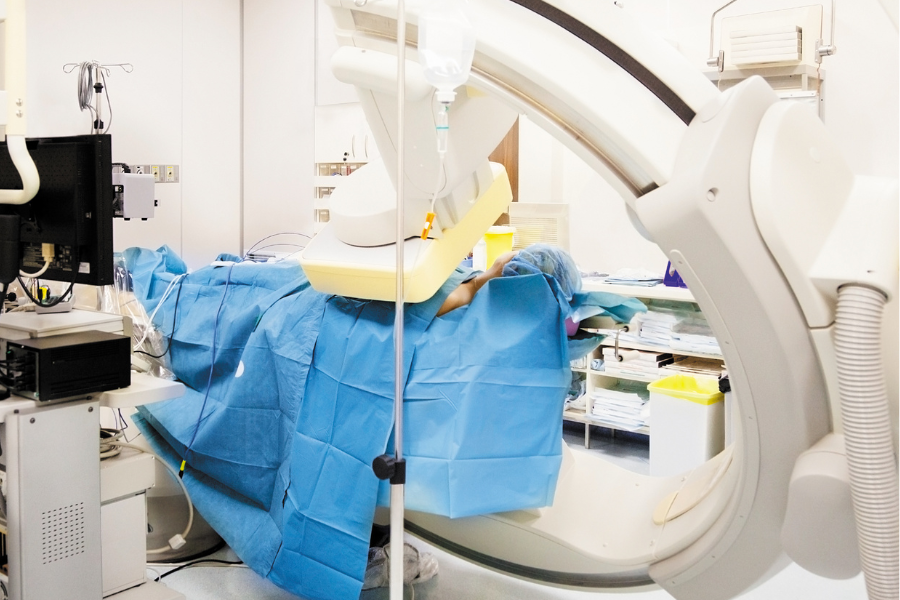
With the increasing integration of imaging technologies in the operating room, radiolucent surgical tables have become essential. These tables allow for clear imaging without the need to reposition the patient, which is critical for procedures that require real-time imaging, such as orthopedic and cardiovascular surgeries.
- Seamless Imaging: Provides uninterrupted C-arm access for fluoroscopy and X-rays.
- Time Efficiency: Reduces the need for patient repositioning, speeding up procedures.
- Improved Diagnostics: Enhances image clarity for more accurate assessments.
Advanced Safety Features for Patient and Staff Protection
Safety is paramount in any surgical environment. Surgical tables should include advanced safety features such as anti-collision systems, emergency stop functions, and secure locking mechanisms. These features help prevent accidents and ensure stable positioning throughout the procedure.
Key Safety Features to Demand:
- Anti-Collision Systems: Prevent unintended table movement that could compromise patient safety.
- Secure Locking Mechanisms: Ensure the table remains stable, even during high-intensity procedures.
- Emergency Stop Functions: Allow for immediate intervention in case of equipment malfunction.
Comfort-Enhancing Features for Patient Well-Being
While surgical tables are primarily designed for functionality, patient comfort should not be overlooked. Features such as thick memory foam padding, adjustable headrests, and ergonomic mattress designs help maintain patient comfort, especially during lengthy procedures.
Why Comfort Matters:
- Reduced Risk of Pressure Ulcers: High-quality padding minimizes pressure points.
- Improved Patient Outcomes: Comfortable patients are less likely to experience post-operative complications related to positioning.
- Enhanced Anesthesia Management: Stable, comfortable positioning aids in maintaining consistent anesthesia levels.
Efficient Accessory Management for Operational Flexibility
A versatile surgical table should support a range of accessories to accommodate different procedures, such as arm boards, leg supports, anesthesia screens, and surgical clamps. These accessories enhance the table’s adaptability, allowing it to be customized for various surgical specialties and patient needs. Quick-connect mechanisms and integrated accessory rails make it easy to attach and detach equipment as needed, enhancing the table’s adaptability.
- Quick Setup: Reduces downtime between procedures.
- Customization: Allows the table to be tailored to specific surgical needs.
- Improved Workflow: Streamlines transitions between different surgical specialties.
Durable Construction for Long-Term Reliability
Investing in a surgical table with durable construction materials, such as stainless steel and high-grade aluminum, ensures long-term reliability. Electrohydraulic systems and dual power operations also contribute to the table’s robustness and longevity.
Key Advantages:
- Lower Maintenance Costs: Durable materials reduce the frequency of repairs.
- Extended Lifespan: High-quality construction ensures the table remains functional for many years.
- Consistent Performance: Reliable operation minimizes the risk of equipment failure during critical procedures.
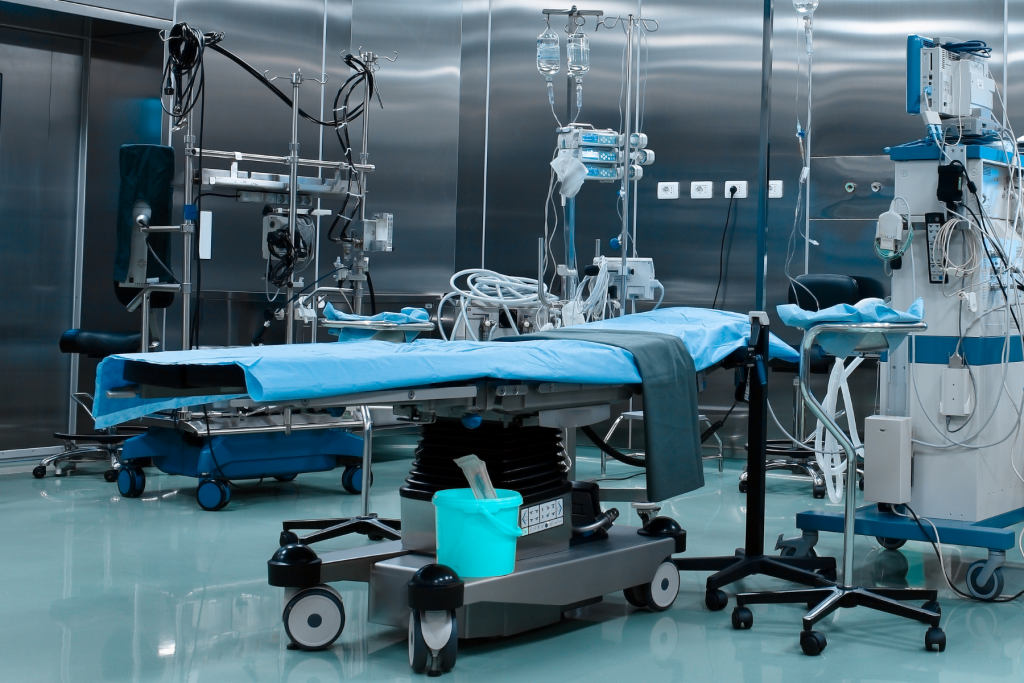
Mobility for Operational Flexibility
Mobility is a critical yet often overlooked feature in surgical tables. The ability to easily move the table within the operating room or even between different rooms can significantly enhance operational efficiency. Tables equipped with high-quality casters, locking mechanisms, and lightweight designs make repositioning quick and safe, even in tight spaces.
- Flexible Room Layouts: Easily reconfigure OR setups to accommodate various procedures.
- Quick Relocation: Facilitates rapid transfer of the table between surgical suites or to imaging areas.
- Improved Workflow: Reduces downtime when shifting equipment for different surgical needs.
Battery Backup for Uninterrupted Operation
In the event of a power outage, having a surgical table with an extended-life battery backup ensures that procedures can continue without interruption. This feature is especially important in facilities where power reliability is a concern.
- Continuous Operation: Maintains functionality during power outages.
- Enhanced Safety: Reduces the risk of procedural complications due to sudden equipment failure.
- Flexibility: Allows for off-grid operations in emergency situations.
Investing in the right surgical table goes beyond the initial price tag—it’s about selecting a platform that enhances patient safety, optimizes surgical efficiency, and adapts to a variety of procedural needs. The right table becomes a cornerstone of operational success, supporting both clinical outcomes and the well-being of the surgical team. By demanding key features such as high weight capacity, intelligent controls, versatile positioning, and advanced safety mechanisms, you can invest in a platform that supports both current and future surgical needs.
While budget constraints are a reality for many healthcare facilities, focusing on these essential features ensures that you get the best value for your investment. A well-chosen surgical table not only enhances patient outcomes but also improves the workflow and well-being of the entire surgical team.
INFINIUM ST500 Surgical Table Platform
The INFINIUM ST500 Surgical Table is an exceptional high-quality alternative to more expensive premium brands, offering many of the same advanced clinical features and benefits at a significantly lower cost. With a 1,000 lb weight capacity and robust construction using stainless steel and aluminum, the ST500 delivers premium durability and versatility, making it ideal for a wide range of procedures, including orthopedic, neuro, gynecology, and urology surgeries. Its intelligent controls, including an LCD remote with real-time data and preset memory positions, enhance surgical efficiency, while the anti-collision system and smart positioning technology ensure patient safety and operational ease. Additionally, features like radiolucent imaging access for optimal C-arm compatibility and comfort-focused design with memory foam padding make the ST500 a smart, cost-effective investment.
Explore More Details >>
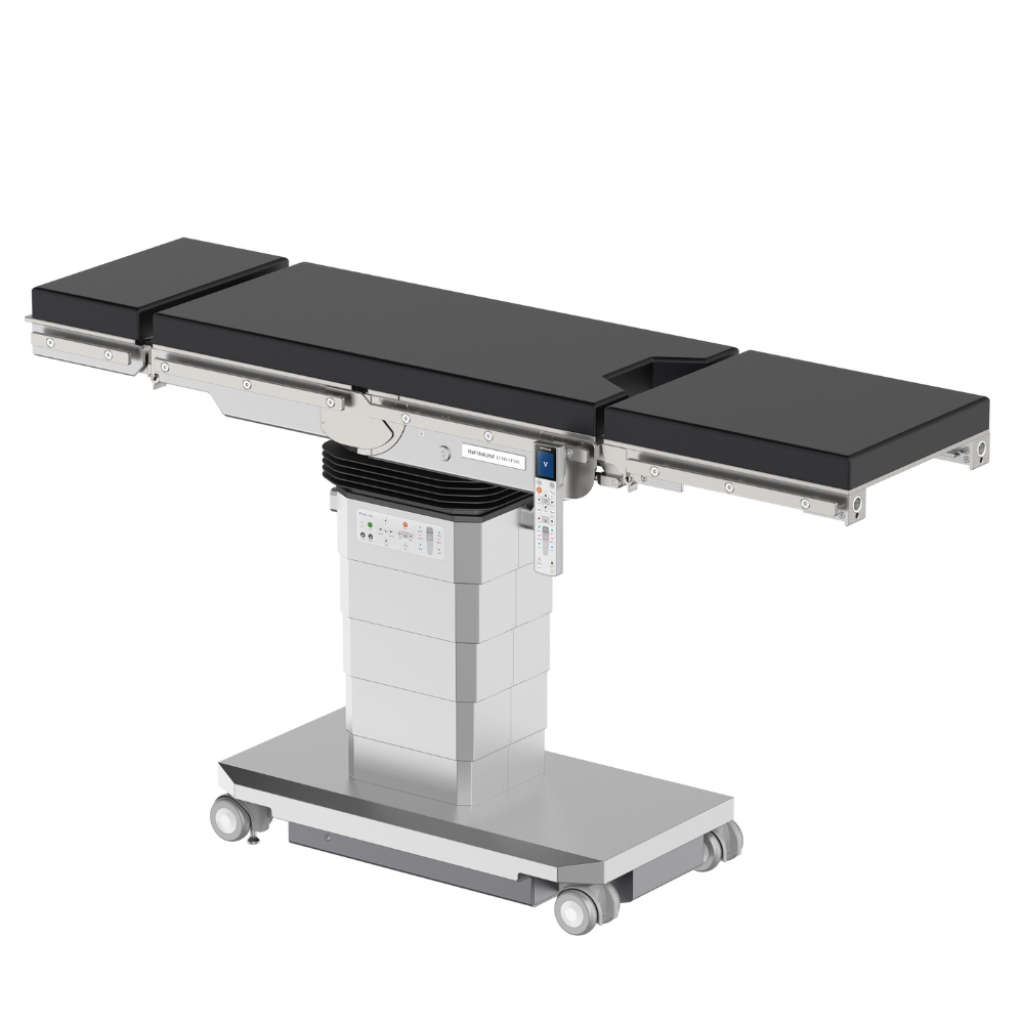
ST500E – 1000lb Surgical Table Platform
The INFINIUM ST500E Surgical Table is a 1,000 lb capacity table designed from the ground up a as a superior choice for surgery centers. It blends versatility with efficiency and is engineered for today’s dynamic surgical environments while supporting a range of procedures and bringing together healthcare professionals for streamlined, effective surgeries.
“Ideally priced for private surgery centers while not sacrificing the quality and advanced features of major brand US surgery tables.”
The ST500E is designed from the ground up to match the quality build and features of high-end USA models but within a more budget friendly framework. The platform you receive is one of the most competitive in the marketplace within its price range.
Need procedure chairs instead?