Why Is Remote Patient Monitoring Equipment So Popular?
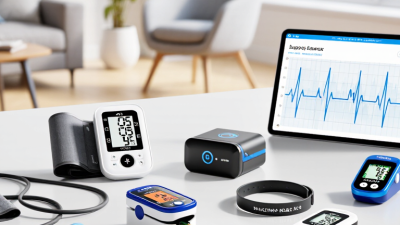
Remote patient monitoring equipment is becoming more visible in homes, clinics, and care programs. A blood pressure cuff on a kitchen table or a glucose sensor paired with a phone can send readings to a care team without a patient traveling for every check. That convenience is a major reason for its popularity. So is the chance to notice changes between appointments.
Popularity, however, does not mean every device suits every person. Useful monitoring depends on accurate measurements, clear instructions, reliable connectivity, and a clinician who can interpret the results. A missed reading may reflect a weak signal, a drained battery, or a cuff used incorrectly—not a sudden change in health. Small details matter. Patients also need to understand what information is collected, who reviews it, and when to seek urgent help instead of waiting for a remote response.
For clinicians, these tools can add context to care, especially when regular measurements help guide follow-up. But they do not replace examination, conversation, or professional judgment. The technology can feel reassuring; it can also create alert fatigue or extra work if a program is poorly designed. That tension deserves attention. Exploring why remote patient monitoring equipment is popular means looking beyond the devices themselves to the practical benefits, limits, and safeguards that shape everyday use.
Remote Patient Monitoring Equipment: Devices, Data, and Clinical Workflows
Why Is Remote Patient Monitoring Equipment So Popular?
Remote Patient Monitoring Equipment: Devices, Data, and Clinical Workflows
Remote patient monitoring turns measurements at home into information care teams can act on. A blood pressure cuff, connected scale, or pulse oximeter may capture readings between appointments. The device is only one part. Clear instructions matter: patients need to know when to measure, where to sit, and what to do if a reading looks unusual. Small details matter.
The American Medical Association’s 2022 Physician Survey reported that 30% of physicians used remote patient monitoring, up from 13% in 2016. That growth reflects interest, but it does not make every reading useful. A clinic needs to decide who reviews incoming data, how often alerts are checked, and who contacts the patient. Otherwise, a warning can sit unread in a dashboard. Not automatic care.
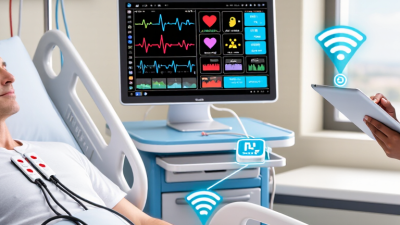
Good workflows set thresholds with clinicians, account for a patient’s usual range, and document follow-up. A nurse might review repeated high blood pressure readings each morning, then call to check symptoms and measurement technique. Devices can lose connection, and patients may forget a reading. These gaps deserve attention, not blame. Monitoring works best when equipment, data review, and clinical response are planned together.
CDC: 6 in 10 U.S. Adults Have a Chronic Disease
The CDC estimates that six in ten U.S. adults have a chronic disease. That includes conditions such as heart disease, diabetes, and chronic lung disease. Many require attention between clinic visits, not only during them. A blood pressure reading at the kitchen table can reveal a pattern that a brief appointment may miss. Small readings matter.
Remote patient monitoring equipment helps patients share measurements, such as blood pressure, weight, or blood glucose, with their care teams. For someone managing heart failure, a sudden weight change may prompt a conversation with a clinician. For a person with hypertension, regular readings can give a clearer picture than occasional checks. The equipment can make follow-up more practical, especially when travel or mobility is difficult. It does not replace a diagnosis or a clinician’s judgment.
Its popularity reflects a real need, but the tools are not magic. A cuff used incorrectly can produce misleading numbers, and missed readings leave gaps. Not every alert requires urgent action. Patients should know what to measure, how often to report it, and whom to contact about concerning results. That clarity can turn scattered readings into useful information, though it takes time and consistent support. A device alone cannot do that.
Why Is Remote Patient Monitoring Equipment So Popular? - CDC: 6 in 10 U.S. Adults Have a Chronic Disease
| Health Measure |
Reported Statistic |
Population and Period |
Potential Relevance to Remote Monitoring |
Source |
| Adults with at least one chronic disease |
About 6 in 10 U.S. adults |
U.S. adults; CDC summary |
Chronic conditions often require ongoing attention, making regular measurements between clinical visits potentially useful. |
CDC: About Chronic Diseases |
| Adults with two or more chronic diseases |
About 4 in 10 U.S. adults |
U.S. adults; CDC summary |
People managing multiple conditions may benefit from tracking relevant health measures as part of a clinician-directed care plan. |
CDC: About Chronic Diseases |
| High blood pressure |
48.1% of adults had hypertension |
U.S. adults; 2017–2020 |
Blood pressure is measurable at home, so a connected blood pressure monitor can help share readings with a care team. |
CDC: High Blood Pressure Facts |
| Diabetes |
38.4 million people, or 11.6% of the U.S. population, had diabetes |
All ages; 2021 estimate |
For people with diabetes, clinician-directed monitoring may include relevant measurements such as blood glucose. |
CDC: National Diabetes Statistics Report |
| Coronary artery disease |
About 1 in 20 adults had coronary artery disease |
U.S. adults; 2022 |
Remote tools may support follow-up by allowing patients to record selected health measurements at home and share them with clinicians. |
CDC: Heart Disease Facts |
These figures describe the prevalence of chronic conditions, not the percentage of patients using remote patient monitoring. Monitoring needs and equipment should be determined with a qualified healthcare professional.
AMA: Physician Use of Remote Monitoring Rose from 12% to 30%, 2016–2022
Remote patient monitoring is no longer a niche workflow in U.S. care. The AMA’s 2022 physician survey found that physician use of remote monitoring rose from 12% in 2016 to 30% in 2022. That is an 18-point increase, not proof that every clinic has adopted it well. Still, momentum is real.
The need is tangible: a patient can weigh themselves at home, record blood pressure, or share oxygen readings without making a separate trip. The CDC reports that six in ten U.S. adults have a chronic disease, while four in ten have two or more. These conditions often require ongoing attention between appointments. A home cuff or scale can help clinicians notice a change sooner, but only when someone reviews the readings and knows what action to take. That distinction is easy to miss. Equipment alone is not care.
The AMA’s growth figures also reflect physician adoption, not patient access or improved outcomes. A device may be uncomfortable, readings may be inconsistent, and alerts can add work to an already crowded day. The trend is encouraging, but it leaves practical questions unanswered: who checks the data, how quickly, and what happens when a reading looks wrong? Those details matter as much as the monitor itself.
Why Is Remote Patient Monitoring Equipment So Popular?
Physician use of remote patient monitoring rose from 12% in 2016 to 30% in 2022.
The share increased by 18 percentage points over this period. Source: American Medical Association (AMA).
Connected Devices Extend Health Monitoring Beyond the Clinic
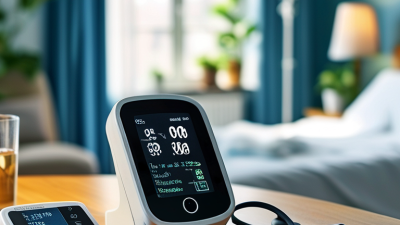
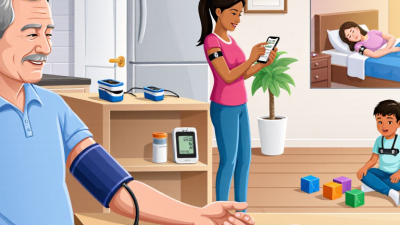
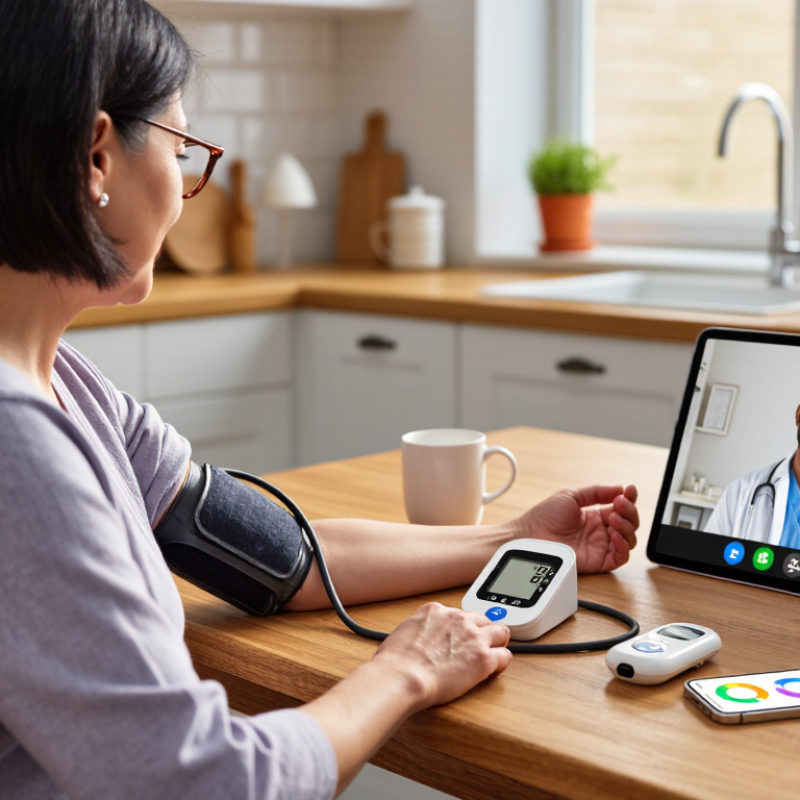
Remote patient monitoring equipment brings health checks into ordinary spaces: a blood pressure cuff on a kitchen table, a scale beside the bathroom sink, or a pulse oximeter used after a walk. These connected devices can send readings to a care team between appointments. That gives clinicians more context than a single office measurement, especially when symptoms or readings change over time. Small details matter. A morning reading may look different from one taken after climbing stairs.
Remote monitoring can also help patients notice patterns and discuss them with a clinician sooner. It does not replace an examination or guarantee that a problem will be caught. Devices can be used incorrectly, readings may be incomplete, and internet access is not always reliable. That gap deserves attention. Patients should know which measurements to take, how often to send them, and whom to contact when a reading seems unusual. Care teams need a clear process for reviewing incoming data, rather than assuming every alert signals an emergency.
Tips: Sit quietly before measuring blood pressure, and follow the device instructions. Keep a simple log of readings and symptoms. Ask your clinician what changes need a call; do not adjust medication based only on a device reading. A number is not the whole story.
CMS Code 99454 Requires 16 Days of Data in a 30-Day Period
Remote patient monitoring equipment is popular because it brings routine measurements into everyday care. A connected blood pressure cuff, scale, or pulse oximeter can send readings from home. Clinicians may spot changing patterns between appointments instead of relying only on a patient’s memory. Convenient, but not effortless. Equipment needs setup, reliable connectivity, and clear instructions.
For CMS code 99454, Medicare generally requires data transmission on at least 16 separate days within a 30-day period for the device-supply service. That means readings on 16 days, not 16 readings in one afternoon. The data must come from qualifying equipment and support medically appropriate care. Missed days may affect whether the service meets billing criteria. Requirements can change, so check current CMS guidance and payer policies before billing. Patient safety comes first. A device should not replace urgent care when symptoms are severe.
Tips: Pair the device before the patient leaves, demonstrate how to take a reliable reading, and agree on a simple reminder. Ask what might interrupt use, such as travel, a low battery, or discomfort. A checklist can help, though it will not prevent every missed transmission. Review readings regularly and explain what patients should do if results seem unusual.