Top 10 Types of Remote Patient Monitoring Systems
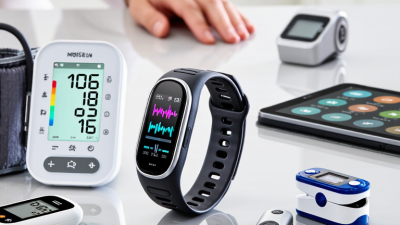
Remote patient monitoring system technology is moving care beyond hospital walls and into bedrooms, kitchens, and daily routines. A connected blood pressure cuff can transmit readings before breakfast. A wearable glucose sensor can reveal silent changes during sleep. This practical shift explains why healthcare leaders are examining the top 10 types of remote patient monitoring systems, including cardiac monitors, pulse oximeters, digital stethoscopes, spirometers, weight scales, thermometers, glucose devices, wearable sensors, implantable monitors, and integrated platforms.
The market is expanding quickly. Grand View Research estimated the global remote patient monitoring market at approximately USD 14 billion in 2023. It also projected strong growth through 2030. Fortune Business Insights reported similar momentum, linking demand to chronic disease management and aging populations. These figures are impressive. They are not guarantees. Adoption still depends on clinical workflow, patient digital literacy, device accuracy, and reliable internet access.
Dr. Joseph Kvedar, a telehealth researcher and former American Telemedicine Association president, described this transition simply: “The home is the new site of care.” His observation remains highly relevant. However, technology alone does not improve outcomes. A nurse must notice an abnormal reading. A clinician must interpret its context. The patient must understand what action matters.
The strongest systems combine validated devices, secure data exchange, clear escalation pathways, and human follow-up. Weak implementations can create alert fatigue instead. This article examines ten major system types, their practical uses, and their limitations. Some distinctions remain imperfect. Real-world platforms increasingly combine several categories, rather than fitting neatly into one.
Foundational Vital-Sign Monitoring Systems for Home Care
Top 10 Types of Remote Patient Monitoring Systems
Foundational Vital-Sign Monitoring Systems for Home Care
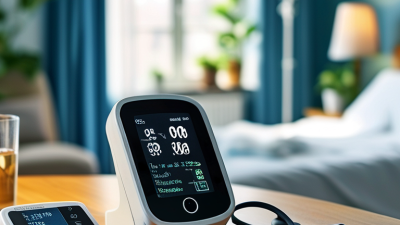
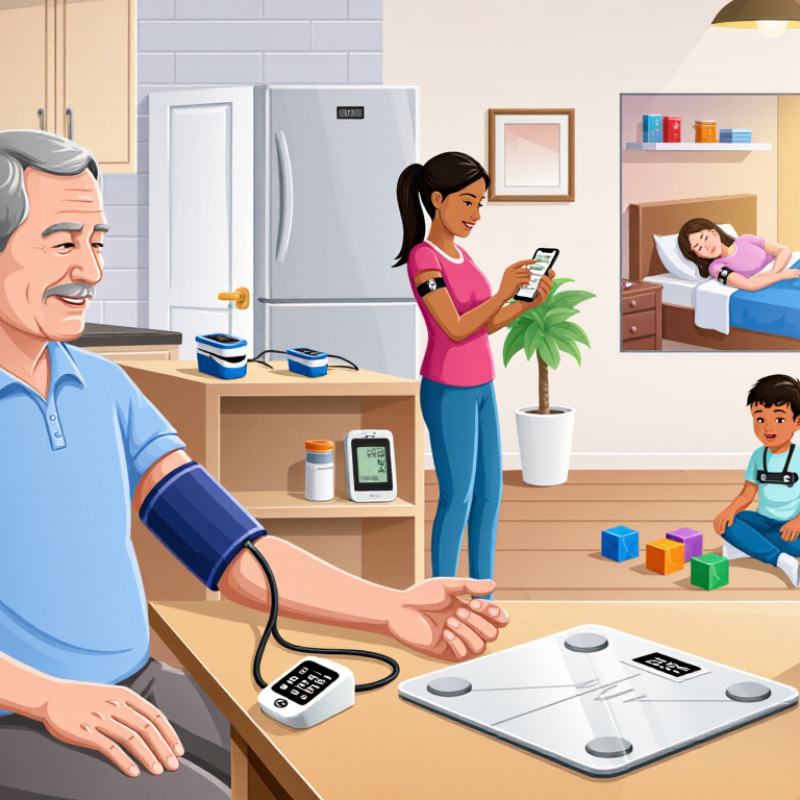
Foundational remote patient monitoring begins with quiet, repeatable measurements at home. A blood-pressure cuff, pulse oximeter, thermometer, and weight scale can reveal early change. These devices matter because chronic conditions often shift before a patient feels unwell.
The World Health Organization’s Global Report on Hypertension estimates that 1.28 billion adults aged 30–79 live with hypertension worldwide. Nearly half are unaware of it.
That gap makes simple home readings clinically valuable.
However, a number is not a diagnosis. Care teams should confirm device fit, posture, measurement timing, and patient symptoms. An incorrect cuff can create false reassurance or unnecessary escalation. Reliable systems also need secure transmission, visible timestamps, and practical alert rules.
The Centers for Disease Control and Prevention reports that six in ten U.S. adults have a chronic disease. Four in ten have two or more. Home monitoring can reduce avoidable visits, but only when someone reviews the data.
Unstaffed dashboards are not care. Experience shows that older adults may skip readings when setup feels confusing. Large buttons, spoken instructions, cellular connectivity, and a backup phone process help. Yet adherence is not guaranteed.
A pilot should test missing data, false alerts, and weekend coverage before expansion. That uncomfortable review may improve the system more than adding another sensor.
Chronic Disease Tracking Systems for Ongoing Patient Management
Top 10 Types of Remote Patient Monitoring Systems
Chronic disease tracking systems support daily care beyond the clinic. The CDC reports that six in ten U.S. adults live with a chronic disease, while four in ten have two or more. That burden requires continuous, practical monitoring. Common systems include connected blood pressure cuffs, glucose meters, pulse oximeters, weight scales, ECG patches, spirometers, thermometers, medication tools, symptom surveys, and activity sensors.
Each device answers a different clinical question. A heart failure patient may record weight each morning. A diabetes patient may review glucose patterns after meals. A person with COPD may check oxygen levels after walking to the mailbox. Small changes can prompt earlier clinical review. Data is not care. Clinicians still need context, patient history, and direct communication.
The WHO 2023 noncommunicable disease fact sheet states that chronic diseases cause 74% of deaths worldwide. Reliable monitoring may reduce avoidable delays, but implementation remains uneven. Poor connectivity, unclear alerts, and patient fatigue can weaken results. A perfect dashboard does not exist. Care teams should set alert thresholds carefully, confirm abnormal readings, and document follow-up. Patients also need simple instructions, accessible devices, and realistic schedules. One missed reading should not define a patient’s health. Yet repeated gaps deserve attention, not blame.
Connected Cardiac and Respiratory Monitoring Technologies
Top 10 Types of Remote Patient Monitoring Systems increasingly include connected cardiac and respiratory technologies. Cardiac systems may combine single-lead ECG patches, blood-pressure cuffs, heart-rate sensors, implantable monitors, and mobile telemetry. Respiratory systems can measure oxygen saturation, breathing rate, lung function, cough patterns, and sleep-related breathing changes. The need is substantial. The World Health Organization reports that cardiovascular disease causes about 17.9 million deaths annually. It also reports 3.23 million deaths from chronic obstructive pulmonary disease in 2019.
Good systems do more than collect numbers. They identify trends, such as rising resting heart rate, falling oxygen levels, or repeated nighttime disturbances. The American Heart Association’s 2024 statistics reported 928,741 cardiovascular deaths in the United States during 2020. Connected monitoring may help clinicians review changes earlier, especially between appointments. Yet the technology is not flawless. The United States Food and Drug Administration warns that pulse oximeter accuracy can be affected by factors including skin pigmentation, circulation, and device placement. A clean dashboard can still hide a poor reading. Clinical teams should confirm unexpected results, assess symptoms, and define escalation rules before deployment. Patient training matters too. A loose sensor, cold finger, or missed charging cycle can distort the clinical picture. Technology helps. It does not replace judgment.
Neurological, Mobility, and Rehabilitation Monitoring Devices
Top 10 Types of Remote Patient Monitoring Systems: Neurological, Mobility, and Rehabilitation Monitoring Devices
Neurological and rehabilitation monitoring systems turn daily movement into clinically useful evidence. The Global Burden of Disease Study 2021 estimated that neurological conditions affected more than 3.4 billion people worldwide. Remote tools can track tremor frequency, walking speed, step symmetry, balance, range of motion, and exercise completion. Wearable inertial sensors, pressure-sensitive insoles, connected motion trackers, and camera-based assessments can capture changes inside the home. A slow turn in the hallway may reveal more than a short clinic visit.
The need is substantial. The World Health Organization reports that about 2.4 billion people could benefit from rehabilitation services. Remote monitoring may extend specialist oversight when travel is difficult or therapy capacity is limited. Clinicians can review trend data, contact patients after repeated falls, and adjust exercises with greater context. Data is not recovery. Patient goals, fatigue, pain, cognition, and home safety still require professional interpretation.
Accuracy deserves caution. A sensor may record fewer steps because a patient felt dizzy, not because therapy failed. Connectivity problems, poor device placement, and inconsistent use can distort results. These systems should support—not replace—neurological examinations and therapist judgment. The American Physical Therapy Association emphasizes measurement-based care, yet real-world adherence remains uneven. That gap needs attention. Better systems will combine validated measures, clear alerts, human review, and accessible feedback for patients and caregivers.
Specialized Remote Systems for Maternal and Postoperative Care
Remote patient monitoring becomes especially valuable when care needs change quickly.
Maternal and postoperative systems support two demanding transitions.
For pregnancy, connected blood pressure cuffs, weight scales, and symptom check-ins can reveal warning patterns.
A patient may report a headache at 7 a.m., then upload a reading before her appointment.
Nurses can review trends, not isolated numbers, and contact her when escalation criteria are met.
This supports earlier assessment without replacing clinical judgment.
Quiet details matter.
After surgery, specialized systems can track temperature, pulse, oxygen levels, pain, and wound changes.
Daily prompts may identify fever, swelling, medication problems, or reduced mobility.
Clear instructions matter because fatigue makes complex technology difficult.
Wound images should be reviewed through secure clinical workflows, with patient consent and strict access controls.
Urgent symptoms must reach trained staff quickly, rather than sit unnoticed on a dashboard.
Reliable programs use clinically validated devices, secure data transfer, and documented response protocols.
They define who reviews readings and how quickly.
Data gaps are common.
A dead battery, poor cuff position, or weak signal can create false reassurance.
Clinical teams should check unusual readings instead of assuming the device is correct.
Still, no monitoring pathway is perfect.
Some patients need a phone call, home visit, or in-person examination.
I would not treat every alert as a diagnosis.
The system works best when technology supports careful human decisions.