Why Are Health Devices Important for Global Buyers?

For global buyers, health devices are no longer optional tools tucked inside hospital storerooms. They shape how clinicians detect risk, track recovery, and reach patients beyond crowded urban centers. A blood-pressure monitor on a community nurse’s desk can reveal silent hypertension during a short visit. A glucose sensor can turn scattered readings into a clearer daily pattern. Small details matter.

Yet importance is not measured by technical novelty alone. Buyers must examine clinical evidence, measurement accuracy, cybersecurity, battery life, training needs, and after-sales support. In a rural clinic, a device that loses power or requires constant internet may quickly become expensive decoration. That is an uncomfortable gap between product promises and lived experience. Eric Topol, a cardiologist and digital-medicine researcher, wrote, “The future of medicine is the consumerization of healthcare.” His point supports a buyer-focused view: people need useful information, not impressive specifications.

Reliable health devices can strengthen screening, remote monitoring, chronic-care management, and clinical decisions. They may also reduce delays when local expertise is limited. Still, no device replaces trained professionals, informed consent, or careful interpretation. Data can be incomplete. Algorithms can mislead. Global procurement therefore requires humility, transparent validation, and standards suited to local conditions. The strongest choice is not always the newest model. It is the device that works safely, consistently, and affordably in real hands. That practical test explains why health devices matter to buyers across borders.
Why Are Health Devices Important for Global Buyers?

What Are Health Devices and How Do They Work?

Why Are Health Devices Important for Global Buyers?

What Are Health Devices and How Do They Work?

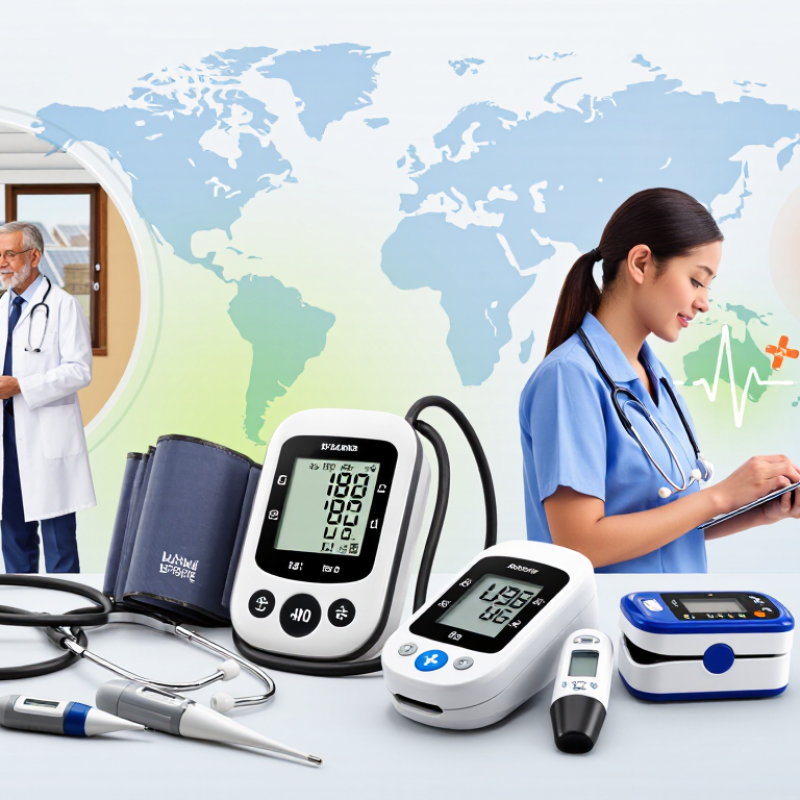
Health devices are tools that measure, monitor, diagnose, or support the human body. They include blood-pressure monitors, glucose meters, pulse oximeters, wearable activity trackers, and remote patient-monitoring equipment. A sensor captures physical signals, such as pulse waves or skin temperature. Software then converts these signals into readings, trends, or alerts.

The process seems simple, but accuracy depends on more than hardware. A blood-pressure cuff needs correct positioning and a suitable measurement schedule. A wearable device may use optical sensors to estimate heart rate through changing blood flow. Its algorithm filters movement and environmental noise. Clinicians still need context before making decisions. A glowing number is not automatically a medical truth.

The World Health Organization’s Global Status Report on Physical Activity 2022 estimates that 31% of adults worldwide are insufficiently active. That figure shows why practical monitoring tools matter, especially for prevention. WHO also reports that noncommunicable diseases cause about 74% of global deaths. Health devices can help users notice warning patterns earlier, while connected systems may support care outside hospitals.

Global buyers should examine validation evidence, data security, battery performance, language support, and local clinical requirements. Device readings can fail through poor calibration or weak internet access. That limitation deserves attention. In real homes, people forget charging, wear sensors incorrectly, or misunderstand alerts. Reliable health technology must work under those ordinary conditions, not only in controlled demonstrations.

Why Are Health Devices Important for Global Buyers?

Health devices matter to global buyers because they influence daily decisions, not just clinic workflows. A blood pressure monitor on a kitchen table must give stable readings across repeated checks. A glucose meter needs clear instructions, readable results, and dependable supplies. Small design choices can change whether a patient uses a device correctly. That is practical experience, not a marketing claim. Still, accuracy should never be assumed. Buyers need independent validation, documented testing, and transparent performance limits. Numbers without context can mislead.

Global purchasing adds another layer of responsibility. Devices may face different electrical systems, climates, languages, and healthcare practices. A thermometer stored in humid conditions may behave differently from one used in a dry warehouse. Packaging should protect sensors during long transport. Instructions should explain cleaning, calibration, warnings, and disposal in plain language. Local regulatory approval also matters, because safety requirements vary between markets. A low price can become expensive when training, repairs, or replacement parts are unavailable. Support matters.

Data protection deserves equal attention. Connected devices can collect intimate health information, so buyers should check encryption, access controls, retention policies, and offline options. I have seen procurement teams focus heavily on features while overlooking staff training. That gap is easy to miss. A device can be technically excellent yet poorly used. Buyers should test it with real users, including older adults and people with limited digital skills. No evaluation is perfect. Questions may remain after purchase, especially when evidence is limited or local conditions change. That uncertainty should be recorded, reviewed, and discussed openly.

Which Health Needs Can Health Devices Address?

Health devices help global buyers address needs that are immediate, measurable, and often overlooked. A digital thermometer can support decisions during a child’s fever, especially where clinics are distant. Blood pressure monitors help adults track silent changes at home. This matters. Regular readings may reveal patterns before symptoms become alarming. Yet a device does not replace a trained health professional. Readings can be wrong when a cuff is poorly fitted or a sensor is used on cold skin.

People managing diabetes may use glucose meters to understand how meals, activity, and prescribed treatment affect their bodies. Pulse oximeters can assist with respiratory checks, while medication reminders may support daily routines. Older adults can benefit from fall alerts, mobility aids, and emergency communication tools. These devices address independence, chronic disease monitoring, maternal care, and health awareness. Local conditions shape their value. A rechargeable device may fail where electricity is unreliable. Printed instructions and simple controls can be more useful than advanced functions.

Global buyers should examine clinical validation, calibration support, battery life, language options, and data protection. Measurements need clear units and realistic accuracy claims. Healthcare workers should explain when a reading requires urgent attention. I have seen convenience create overconfidence. That risk deserves attention. Users may check numbers repeatedly and delay care, or panic over one unusual result. Responsible purchasing includes training, maintenance, and professional follow-up. Devices should fit real routines, not ideal ones.

Why Are Health Devices Important for Global Buyers? - Which Health Needs Can Health Devices Address?

Global Health Need Relevant Health Devices What the Devices Can Help Measure or Support Why It Matters to Global Buyers Important Use Limitation Supporting Data or Guidance
Blood-pressure control Validated automated blood-pressure monitors Systolic and diastolic blood pressure; repeated home readings can support ongoing monitoring. Hypertension is often symptomless. Home monitoring can improve access where clinic visits are limited and can provide clinicians with additional readings. A single reading does not diagnose hypertension. Correct cuff size, positioning, calibration, and professional interpretation are required. WHO estimates that about 1.28 billion adults aged 30–79 years had hypertension in 2021.
Diabetes and glucose management Blood-glucose meters and continuous glucose monitoring systems Blood-glucose trends, high or low glucose alerts, and information that may support treatment decisions. Portable monitoring can support self-management and remote follow-up, especially for people who have difficulty reaching health facilities. Results can be affected by sampling technique, device condition, and user error. Medication changes should follow qualified clinical advice. WHO reported that more than 800 million people were living with diabetes worldwide in 2022.
Respiratory monitoring Pulse oximeters, respiratory-rate monitors, and peak-flow meters Oxygen saturation, pulse rate, breathing rate, or peak expiratory flow, depending on the device. These devices can support triage, chronic respiratory-condition management, and remote observation in homes and primary-care settings. Cold fingers, movement, poor circulation, skin temperature, and incorrect placement may affect readings. Oxygen saturation alone cannot determine the cause of illness. WHO identifies chronic respiratory diseases as a major noncommunicable-disease group, including asthma and chronic obstructive pulmonary disease.
Cardiovascular risk and activity Wearable activity monitors, heart-rate monitors, and single-lead ECG devices Heart rate, activity duration, step counts, sleep-related patterns, and in some cases rhythm signals. Low-cost monitoring can encourage physical activity and provide structured information for preventive-care discussions. Consumer measurements are not equivalent to a clinical diagnosis. Irregular-rhythm notifications require confirmation by a health professional. WHO recommends that adults perform at least 150 minutes of moderate-intensity physical activity per week, or an equivalent amount.
Maternal and newborn care Fetal heart-rate monitors, blood-pressure monitors, thermometers, and portable ultrasound systems used by trained personnel Maternal blood pressure, temperature, fetal heart rate, and selected pregnancy-related observations. Portable equipment can extend antenatal screening and referral capacity in rural, mobile, and resource-limited settings. These devices support screening and monitoring but do not replace skilled birth attendants, laboratory testing, emergency referral, or clinical examination. WHO reported approximately 260,000 maternal deaths globally in 2023, with the majority occurring in low- and lower-middle-income countries.
Fever and infection assessment Digital thermometers and selected point-of-care testing devices Body temperature and, where authorized and properly operated, selected infection-related test results. Simple devices are useful for home care, schools, workplaces, pharmacies, and first-contact health services. Temperature does not identify the cause of illness. Test accuracy depends on sample quality, storage conditions, timing, and correct interpretation. WHO describes diagnostics as essential for detecting disease, guiding treatment, and supporting public-health decisions.
Mobility, rehabilitation, and ageing Mobility aids, balance-support devices, rehabilitation sensors, and fall-detection systems Movement patterns, balance training, walking assistance, exercise progress, and potential fall alerts. They can support independence, home-based rehabilitation, caregiver coordination, and safer ageing in place. A fall alert may be missed or triggered incorrectly. Devices should be fitted and reviewed by appropriately trained professionals. WHO states that the global population aged 60 years and older is expected to reach 2.1 billion by 2050.
Remote and underserved-care access Connected vital-sign monitors, telehealth peripherals, and rechargeable portable devices Selected vital signs and patient-generated health data that can be shared with care teams when connectivity is available. Portable and interoperable devices may reduce travel burdens and help health systems monitor patients beyond hospitals. Connectivity, electricity, digital literacy, language access, cybersecurity, privacy, and follow-up capacity must be considered. WHO promotes digital health as a means to strengthen health systems, while emphasizing equity, privacy, safety, and interoperability.
Data note: The figures and guidance are based on publicly available information from the World Health Organization and related United Nations health reporting. Device capabilities vary by model, regulatory status, measurement conditions, and user training; health devices should complement rather than replace professional medical care.

What Factors Should Global Buyers Consider Before Purchasing?

Global buyers should judge health devices beyond price and appearance. The WHO and UNICEF Global Report on Assistive Technology (2022) estimates that more than 2.5 billion people need assistive products worldwide. This demand makes careful purchasing essential. Buyers should confirm the device’s intended use, clinical evidence, measurement accuracy, and regulatory clearance in the destination market. A “medical” label alone proves little.

Interoperability also matters. Can the device connect with existing hospital systems, mobile networks, or electronic records? The WHO Global Strategy on Digital Health 2020–2025 highlights the importance of secure, equitable, and connected digital care. Buyers should therefore review encryption, user permissions, software updates, and data storage locations. Privacy rules differ across borders. Do not assume one approval covers every country.

Practical testing often reveals more than a brochure. Check battery performance in local temperatures, language options, replacement parts, calibration services, and staff training. The WHO Global Report on Assistive Technology also warns that affordability and access remain major barriers, not only product availability. A low purchase price may hide expensive maintenance. I would request independent test results and a clear total-cost estimate. Even then, uncertainty remains; field performance can differ from laboratory claims. Small pilot orders and feedback from clinicians may prevent a costly mistake.

How Do Health Devices Affect Healthcare Access and Outcomes?

Health devices can widen healthcare access when they move basic measurement closer to patients. A blood-pressure monitor in a rural clinic can reveal danger before symptoms become severe. A connected glucose meter can reduce repeated travel for routine checks. The World Health Organization and World Bank reported that about 4.5 billion people lacked full essential health-service coverage in 2021. Affordable devices cannot solve that gap alone. They can, however, support earlier decisions and more regular follow-up.

The need is substantial.
WHO’s 2022 Global Report on Assistive Technology estimates that more than 2.5 billion people need at least one assistive product. This number may exceed 3.5 billion by 2050. Properly selected devices can improve mobility, communication, medication adherence, and independent living. Outcomes depend on training, maintenance, and clinical interpretation. Data without action is only noise. In procurement reviews, buyers should examine accuracy, battery life, repair access, language support, and data protection.

Digital devices also expose an uncomfortable limitation.
The International Telecommunication Union reported that 2.6 billion people remained offline in 2023. A remote-monitoring program may fail when households lack reliable internet, electricity, or digital skills. I would not treat every new device as progress. Some products create extra work for nurses and confuse patients with unclear alerts. Better results require local testing, human support, and evidence from real care settings, not only impressive laboratory figures.