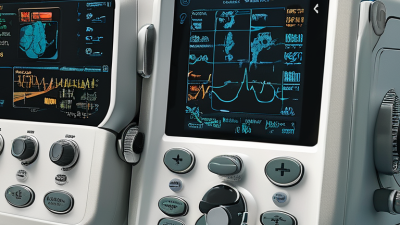
2026 Best Medical Technology Innovations for Global Buyers?
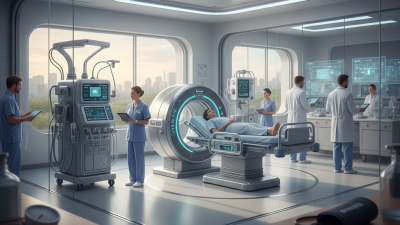
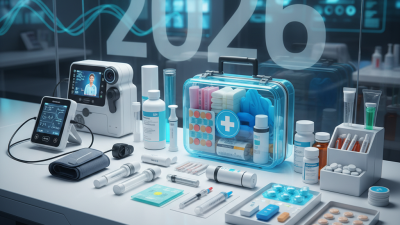
As we approach 2026, the landscape of medical technology is evolving at an unprecedented pace. Innovations are reshaping healthcare and improving patient outcomes. Buyers across the globe are keen to understand which medical technologies will make the biggest impact in the coming years.
Emerging trends highlight various areas of focus in medical technology. Technologies like telemedicine, wearable devices, and artificial intelligence tools are leading the way. These innovations promise better diagnostic capabilities and remote access to care. However, integration into existing healthcare systems remains a challenge.
The drive for innovative medical technology often outpaces regulatory frameworks. Buyers must remain cautious of the claims made by new tools. Doing thorough research can help assess both effectiveness and reliability. Balancing innovation with evidence will be crucial in navigating the medical technology landscape of 2026.
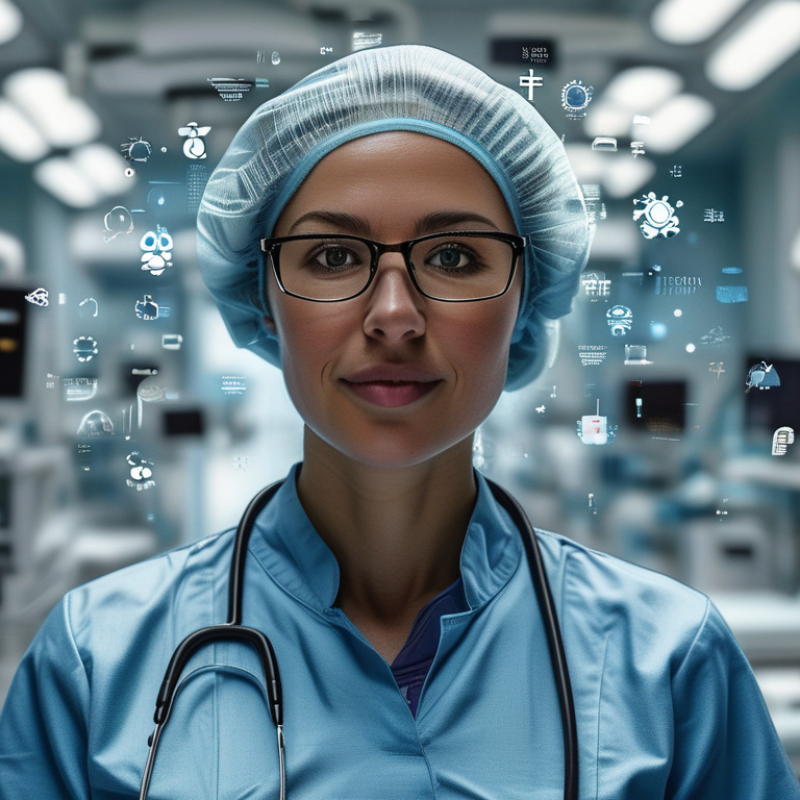
2026 Key Trends in Medical Technology Innovations for Global Markets
The landscape of medical technology is rapidly evolving. In 2026, key trends will reshape global markets significantly. Telemedicine continues to gain traction, driven by the pandemic's aftermath. Reports indicate that the telehealth market could reach $459.8 billion by 2030, underscoring its growing acceptance.
Artificial intelligence (AI) is another pivotal trend. AI can enhance diagnostics and personalize patient care. According to research, AI in healthcare could save the industry $150 billion annually by 2026. However, concerns over data privacy and algorithm bias must be addressed. Reliability in AI systems is crucial for widespread adoption.
Wearable health devices are on the rise, providing continuous monitoring for chronic conditions. The global market for wearables is projected to grow from $116 billion in 2021 to $302.3 billion by 2027. Despite impressive growth, questions about user adherence and data accuracy remain. The effectiveness of these devices often hinges on patient engagement and education.
Impact of AI and Machine Learning on Healthcare Solutions by 2026
Artificial Intelligence (AI) and Machine Learning (ML) are reshaping healthcare rapidly. By 2026, we can expect these technologies to provide significant benefits in diagnostics and treatment. AI algorithms can analyze medical images with high accuracy, helping doctors identify conditions early. This could lead to better patient outcomes.
Machine learning can improve patient data management. It helps in predicting patient admission rates and personalizing treatment plans. These advancements are not without challenges. Data privacy concerns are paramount. Ensuring patient confidentiality remains a priority for healthcare providers. Additionally, the reliance on technology can sometimes create gaps in the human element of care.
Healthcare professionals must adapt to these innovations. Training is essential to integrate AI and ML effectively. Not all clinicians may be ready for this transition. Continuous education and resources will be crucial to foster acceptance and skill development. Reflecting on the potential drawbacks can lead to a more balanced approach to technology in healthcare.
Emerging Telehealth Platforms: Transforming Patient Care Experiences
Telehealth platforms are changing how patients access healthcare services. According to a report by McKinsey, telehealth usage increased by 38 times from pre-pandemic levels. This surge reflects a significant shift in patient behavior and preferences. Today, patients expect convenience and immediate access to care.
Emerging telehealth technologies improve overall patient experiences. They offer virtual consultations, online appointments, and remote monitoring tools. These innovations not only enhance accessibility; they also reduce waiting times. However, challenges remain. Some patients still struggle with technology. Connectivity issues can hinder access to vital services. A study noted that 25% of patients face difficulties in adopting telehealth solutions due to lack of familiarity.
Despite these hurdles, the future of telehealth looks promising. Industry experts predict the global telemedicine market will reach $455 billion by 2028. This growth underscores the importance of continuous development and training. Telehealth must adapt to meet diverse patient needs. Quality and reliability are paramount, but the journey is ongoing.
2026 Best Medical Technology Innovations: Telehealth Platforms
Advancements in Wearable Health Devices and Their Market Projections
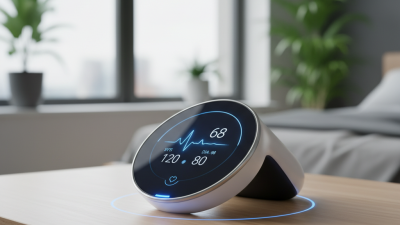
As 2026 approaches, advancements in wearable health devices continue to reshape the medical technology landscape. These innovations empower consumers to monitor their health on a real-time basis. Wearable devices can track heart rates, stress levels, and even sleep patterns. They provide insight into personal health metrics that are often hard to quantify. This newfound accessibility to health data changes how individuals engage with their well-being.
Market projections indicate that this sector will grow significantly in the coming years. However, there are challenges. Data privacy and accuracy remain concerns. The accuracy of health metrics from wearables often requires more scrutiny. Users sometimes overlook these details, leading to misunderstandings about their health. Additionally, the integration of wearables with healthcare systems is not seamless yet. There needs to be a greater push for standardization.
Despite these hurdles, the potential benefits of wearable devices are substantial. They not only promote proactive health management but also engage consumers in their health journeys. As the market continues to evolve, stakeholders must prioritize reliability and user education. Balancing innovation with ethical considerations is vital in this rapidly changing field.
Sustainable Medical Technologies: Innovations Driving Eco-friendly Healthcare
Sustainable medical technologies are reshaping healthcare. Innovations are not just about efficiency; they focus on reducing environmental impact. Many hospitals now prioritize eco-friendly devices and practices. This shift improves patient care and aligns with global sustainability goals.
Recycling medical equipment is one significant advancement. By refurbishing devices, healthcare facilities can save money while decreasing waste. This practice promotes a circular economy in healthcare. Another promising innovation is energy-efficient imaging systems. These systems reduce energy consumption while maintaining high-quality diagnostics.
For healthcare providers, training staff on sustainable practices is essential. Encourage teams to seek out greener options during purchasing. Collaborate with suppliers who prioritize sustainability. Remember, small changes can lead to significant impacts. Always assess the long-term benefits of eco-friendly choices. Consider how sustainable technologies align with overall healthcare goals. This approach can enhance the quality of care while being mindful of our planet's health.