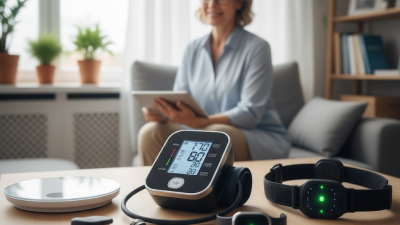
How to Choose the Best Vitals Machine for Your Needs?
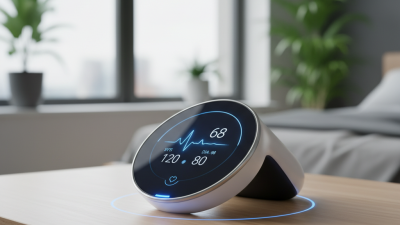
When selecting the best vitals machine for your healthcare needs, factors such as accuracy and usability are crucial. According to a report from Market Research Future, the global market for vitals machines is expected to reach $2 billion by 2025, indicating high demand and technological advancement. The right vitals machine can enhance patient monitoring and improve outcomes.
Dr. Emily Johnson, a leading expert in medical technology, emphasizes, "Choosing a vitals machine requires understanding both your clinical environment and patient needs." This statement highlights the importance of aligning equipment capabilities with actual healthcare requirements.
In a field where precision is vital, you must also consider potential challenges. For instance, not all machines may integrate seamlessly with existing systems. Additionally, training staff to use new equipment effectively can be a hurdle. Thus, it is essential to invest time in evaluating different options thoroughly. The right choice can lead to better patient care and operational efficiency.
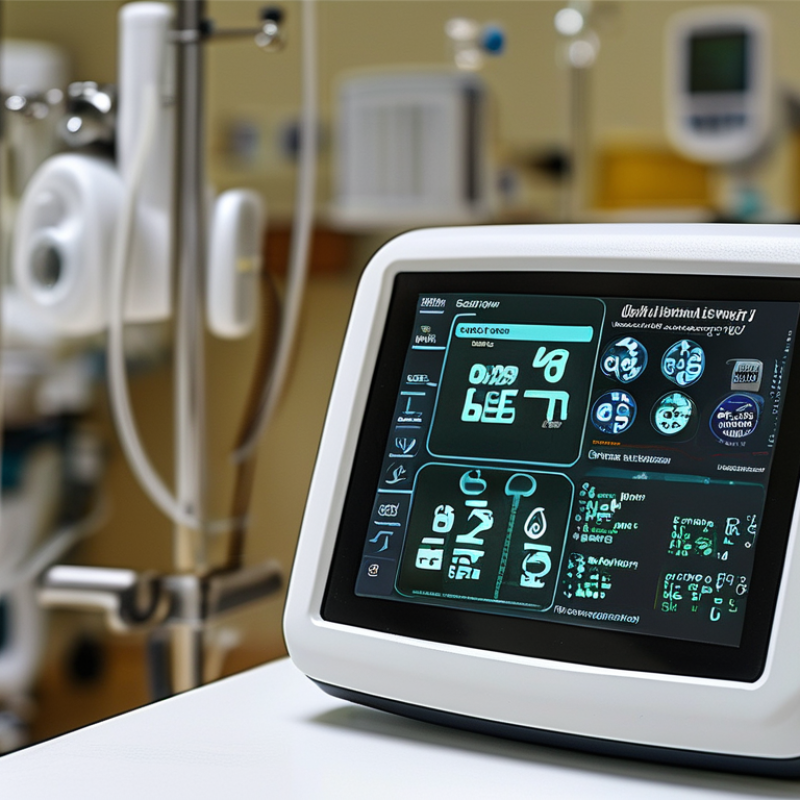
Understanding the Different Types of Vitals Machines Available
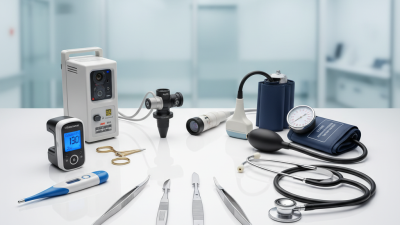
When it comes to selecting a vitals machine, understanding the different types is crucial. There are various models designed for specific needs. Some machines, like digital blood pressure monitors, focus on measuring blood pressure quickly. Others may include pulse oximeters, which assess oxygen saturation levels in the blood. Each type has its unique function and purpose.
Consider the features that matter most. For instance, if portability is a key factor, handheld devices may be ideal. On the other hand, larger machines might offer more comprehensive readings but lack mobility. You might struggle with finding a balance between accuracy and size. Also, user-friendliness is essential. A machine with complicated instructions can lead to errors. Reflecting on ease of use can help you avoid frustration during emergencies.
Lastly, think about who will use the machine. Whether for home use or clinical settings, different users have distinct needs. Experts often advise involving healthcare professionals in the selection process to ensure the right choice. A trusted opinion can avoid costly mistakes. While it’s easy to gravitate towards the newest technology, consider long-term reliability over flashy features.
Key Features to Consider When Choosing a Vitals Machine
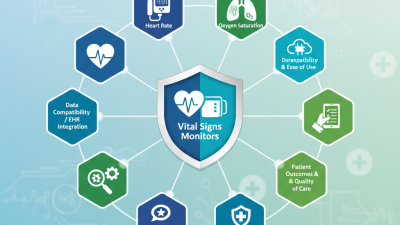
Choosing the right vitals machine requires careful consideration of key features that meet your specific needs. One crucial aspect is the accuracy of readings. Ensure the machine employs reliable sensors for precise data on heart rate, blood pressure, and oxygen saturation. Variability in readings can lead to misdiagnosis, affecting patient care.
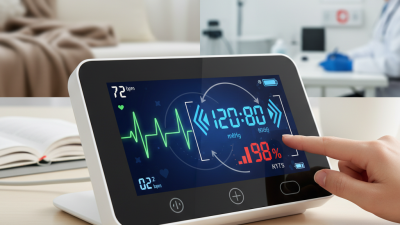
Another important feature to look for is ease of use. A user-friendly interface simplifies operation, especially in emergency situations. Look for large displays and clear indicators. Portability is another factor. If mobility is essential, lightweight machines with battery options are practical. However, understand that compact designs might sacrifice some advanced features.
Connectivity options can enhance functionality. Some machines offer Bluetooth or Wi-Fi capabilities for easy data transfer. This feature allows for better monitoring and record-keeping. However, always consider the risk of data security. It’s vital to choose machines with robust encryption protocols to safeguard patient information. As you weigh these factors, reflect on your unique requirements and the context in which the machine will be used.
Assessing Your Specific Needs for Monitoring Vital Signs
Choosing the right vitals machine begins with understanding your specific monitoring needs. Vital signs like heart rate, blood pressure, and oxygen saturation are crucial indicators of health. Studies show that accurate monitoring can reduce hospital readmission rates by up to 20%. However, not all patients require the same level of monitoring. For instance, individuals with chronic conditions may benefit from more frequent checks compared to those with occasional health concerns.
Evaluate the environments where the monitoring will take place. Home use might demand user-friendly interfaces and portability. In contrast, clinical settings may prioritize advanced features. According to recent industry reports, nearly 70% of healthcare providers emphasize ease of use for non-expert users. This data is critical when selecting a device that matches the user’s skills and environment.
Consider your long-term needs. A device may have excellent specifications but could be overkill for simple monitoring tasks. Feedback from healthcare professionals suggests that sometimes, simpler options lead to better compliance and accuracy. Reflect on the necessity of each feature and its impact on overall health outcomes. Balancing advanced features with usability can often be more beneficial in the long run.
How to Choose the Best Vitals Machine for Your Needs? - Assessing Your Specific Needs for Monitoring Vital Signs
| Feature |
Description |
Importance Level |
Price Range |
| Blood Pressure Monitoring |
Measures systolic and diastolic pressure, crucial for cardiovascular health. |
High |
$50 - $150 |
| Heart Rate Monitoring |
Tracks the number of heartbeats per minute, important for fitness and health tracking. |
Medium |
$30 - $100 |
| Oxygen Saturation (SpO2) |
Measures the oxygen level in the blood, essential for respiratory conditions. |
High |
$25 - $100 |
| Temperature Measurement |
Monitors body temperature, key for detecting fever and infection. |
Medium |
$15 - $80 |
| Data Connectivity |
Allows data transfer to smartphones or computers, helps in tracking progress. |
Low |
$10 - $50 |
Comparing Price Points and Budget Considerations for Vitals Machines
When choosing a vital signs machine, price plays a significant role. These machines range widely in cost, which impacts your budget. Some models come with advanced features, while others focus on essential functions. Understanding your specific needs is crucial for making a wise investment.
Before purchasing, analyze your budget. Identify what features are essential for your use case. Are you running a clinic or using it at home? The price should align with what you can afford without sacrificing quality. Look for machines that offer good performance within your price range. Quality equipment can save you money in the long run.
Tips: Research before you buy. Gather information from trusted resources. Compare features and read user reviews. This way, you can find a reliable machine. Remember, the cheapest option may not always be the best in the long term. Invest in what provides the best value for your needs. Make a list of must-have features and stick to it while exploring options.
Comparison of Vitals Machine Prices by Features
Evaluating User Reviews and Recommendations for Your Selection
When selecting a vitals machine, user reviews can be invaluable. They provide real-life insights into the machine's performance. Look for reviews that mention accuracy and ease of use. A product that is difficult to handle may not be the best choice, despite high ratings. Trustworthy feedback from fellow users can highlight these issues effectively.
Consider the context of the reviews. Some machines may excel in clinical settings but fall short in home use. User experiences can differ significantly based on their needs. Pay close attention to comments about battery life, portability, and the interface. If a product consistently receives criticism in these areas, it might be wise to think twice.
**Tips for Evaluating Reviews:**
Check the number of reviews. A large number of reviews can indicate reliability. Look for patterns in the feedback. If multiple users mention the same strengths or weaknesses, take note. Finally, don't shy away from negative reviews. They often reveal crucial insights that can guide your decision.