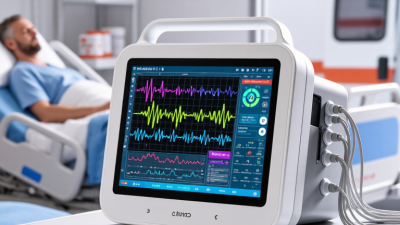
Wireless patient monitoring system technology is reshaping how hospitals, clinics, and home-care teams observe patients beyond traditional wards. A sensor on the chest can transmit heart rate, oxygen saturation, temperature, or movement data within seconds. The clinical value is not the device alone. It depends on accuracy, connectivity, alarm management, cybersecurity, and a clear response process.
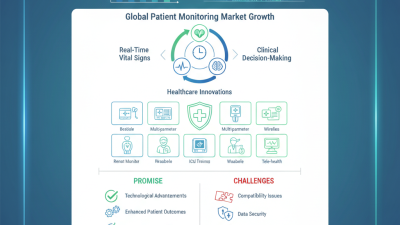
Industry forecasts show strong momentum. Grand View Research estimated the global remote patient monitoring market at approximately USD 14 billion in 2023, with an expected compound annual growth rate of 18.6% from 2024 to 2030. MarketsandMarkets also projects continued growth in patient monitoring devices through 2029. Definitions differ between reports, however. Some include software and virtual care, while others focus on hardware. That difference deserves attention.
The supplier question is therefore more complex than comparing product prices. Hospitals need evidence from clinical deployments, validated measurements, interoperability with electronic health records, and dependable technical support. Joseph Kvedar, a recognized telehealth expert and former Harvard Medical School professor, has stated, “The future of health care is in the home.” His observation remains practical: a wireless patient monitoring system must work beside a patient’s bed, not only inside a product demonstration.
Good systems reduce blind spots. They do not remove clinical judgment. Weak connectivity, false alarms, patient discomfort, and staff workload can still undermine outcomes. This guide examines leading suppliers through performance, security, usability, certification, service coverage, and long-term value. The market is promising, but not every impressive specification translates into safer care.
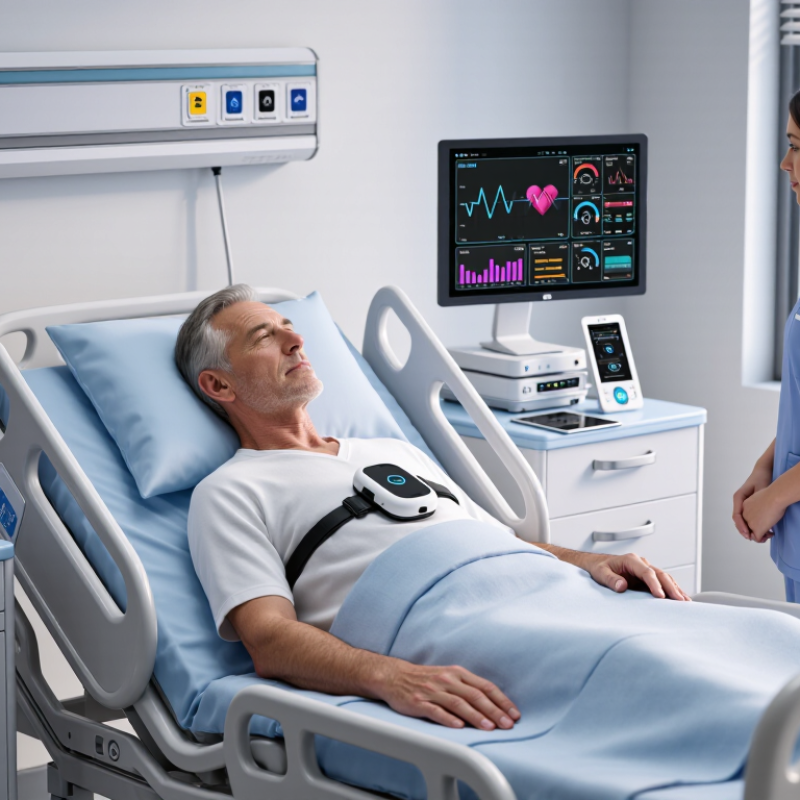
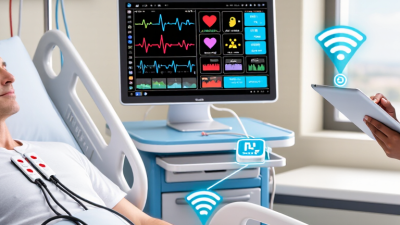
A wireless patient monitoring system uses connected sensors to collect vital signs without keeping a patient beside a bedside monitor. Depending on clinical needs, it may track heart rate, oxygen saturation, temperature, blood pressure, or breathing patterns. Sensors send readings through a secure wireless network to a central dashboard, where authorized healthcare professionals can review trends and receive alerts. The patient can move more freely, while staff gain a clearer view across rooms or wards.
In practice, reliable monitoring depends on more than wireless connection. Sensors must fit correctly, batteries need regular checks, and the network should have backup procedures. Clinical teams should confirm unusual readings before making decisions. False alarms can happen. Poor placement, motion, or weak signal strength may affect data quality. I have found that simple daily checks often prevent larger problems, although busy teams may overlook them. The system supports care; it does not replace professional judgment or direct observation.
Tips: Choose sensors suited to the patient’s condition and mobility. Test coverage in every monitoring area. Set alert limits with qualified clinical staff, not default values alone. Document maintenance, staff training, and response steps. Review performance regularly, because a system that worked yesterday may not suit every patient today.
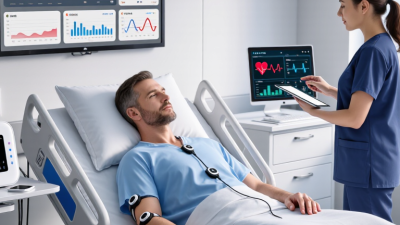
Wireless patient monitoring systems connect body-worn sensors, a bedside gateway, and clinical software. Sensors measure heart rate, oxygen saturation, temperature, respiration, or blood pressure. Data travels through Bluetooth Low Energy, Wi-Fi, or cellular networks. The gateway filters readings before sending them to a secure server or hospital dashboard.
A useful detail is the data pathway. A pulse sensor may sample several times each second, while the dashboard displays trends rather than every raw signal. Algorithms can flag sustained oxygen decline, unusual heart rhythms, or fever patterns. Staff then verify the alert against the patient’s condition. The World Health Organization’s World Health Statistics 2024 reports that people aged 60 and above may reach 1.4 billion by 2030. Remote observation could support this growing care demand, especially outside intensive-care wards.
But wireless does not mean effortless. Battery levels, loose patches, skin moisture, and network gaps can distort readings. False alarms remain a practical concern. The 2023 ECRI health technology report identified alarm management as a continuing patient-safety challenge. That limitation deserves attention. Reliable systems need device calibration, identity matching, access controls, and audit trails. Encryption protects transmission, but trained clinicians still interpret the result. In practice, a quiet dashboard may be worse than a busy one if missing data goes unnoticed. Supplier evaluation should therefore examine validation evidence, interoperability, replacement time, and performance during network failure.
| System Dimension | How It Works | Common Data or Technology | Practical Supplier Evaluation Point |
|---|---|---|---|
| Physiological Sensing | Sensors detect physiological signals and convert them into digital measurements for transmission to a monitoring platform. | ECG, heart rate, respiratory rate, blood oxygen saturation, temperature, and non-invasive blood pressure. | Check supported parameters, sensor accuracy, measurement intervals, patient age groups, and disposable-sensor availability. |
| Patient-Worn Device | A wearable or portable transmitter collects sensor readings and sends them wirelessly to a receiver, gateway, or monitoring application. | Patch, wrist device, bedside transmitter, portable vital-signs monitor, or multi-parameter module. | Evaluate weight, wearing comfort, ingress protection, battery runtime, charging method, and cleaning requirements. |
| Wireless Communication | The device transmits encrypted measurement packets over a local or wide-area wireless network. | Bluetooth Low Energy, Wi-Fi, private radio, or cellular connectivity, depending on the care setting. | Confirm coverage, coexistence with hospital networks, roaming performance, latency, redundancy, and offline data buffering. |
| Gateway and Data Aggregation | A gateway receives data from one or more patient devices, validates the packets, and forwards them to a central platform. | Device pairing, time synchronization, signal-quality indicators, local buffering, and network status monitoring. | Review maximum connected devices, installation requirements, failover behavior, and compatibility with existing infrastructure. |
| Monitoring Platform | Software displays live readings, trends, patient status, device status, and historical records for authorized users. | Bedside dashboard, central station, web portal, mobile interface, and electronic health record integration. | Check user roles, screen usability, audit trails, multilingual support, reporting, and integration interfaces such as HL7 or FHIR. |
| Alarm Management | Configured thresholds and technical alerts notify clinicians when readings exceed limits or when signal quality and connectivity are compromised. | High and low physiological limits, sensor-off alerts, low-battery warnings, and communication-loss alerts. | Assess alarm prioritization, delay settings, escalation workflows, acknowledgement records, and measures for reducing alarm fatigue. |
| Data Security | Patient data is protected through controlled access, secure transmission, authentication, and activity logging. | Encryption in transit and at rest, role-based access, password policies, device authentication, and audit logs. | Request documentation for cybersecurity controls, software updates, vulnerability handling, backups, and local privacy-law compliance. |
| Battery and Power | Battery-powered patient devices operate continuously while reporting battery status to the user or central platform. | Rechargeable lithium batteries, charging docks, replaceable batteries, and low-power communication modes. | Compare runtime under actual sampling conditions, charging time, battery replacement process, and backup-power options. |
| Clinical Workflow | Measurements are associated with the correct patient and routed to the staff responsible for observation and response. | Barcode or electronic patient association, assignment by bed or department, handover support, and event history. | Test admission, transfer, discharge, reassignment, and emergency workflows before deployment. |
| Regulatory and Quality Documentation | Medical-device documentation defines intended use, performance, risk controls, verification, and post-market responsibilities. | Declaration of conformity where applicable, quality-management records, risk-management files, validation reports, and user manuals. | Verify that approvals and documentation match the intended country, clinical application, device configuration, and software version. |
| Service and Total Cost | Long-term operation depends on installation, training, preventive maintenance, software support, consumables, and replacement planning. | Warranty period, remote support, spare parts, calibration, training, subscription terms, and implementation services. | Compare the complete lifecycle cost rather than hardware price alone, including consumables, licenses, integration, and technical support. |
China’s leading wireless patient monitoring suppliers are increasingly judged by clinical reliability, not low purchase prices. Grand View Research valued the global remote patient monitoring market at USD 14 billion in 2023. MarketsandMarkets projected it could reach USD 41.7 billion by 2028. Their figures use different market definitions. Still, both indicate stronger demand for dependable systems. Leading suppliers typically combine ECG, SpO2, temperature, respiration, and non-invasive blood pressure monitoring. Clear alarms matter. Stable signals matter more.
A practical supplier should support Wi-Fi, Bluetooth Low Energy, and cellular fallback. Hospital coverage is rarely perfect. Interoperability is another important feature. HL7- or FHIR-ready interfaces can reduce manual transcription and support electronic medical record integration. Compact wearable sensors should offer comfortable attachment, long battery life, and easy cleaning. A crowded screen helps nobody. Simple dashboards work better during busy shifts.
Cybersecurity also separates serious suppliers from ordinary manufacturers. Look for encrypted transmission, role-based access, audit logs, and controlled software updates. ISO 13485 manufacturing processes and IEC 60601 testing can strengthen technical confidence, but certificates alone prove little. Buyers should request calibration records, alarm-performance data, and local service procedures. In my evaluation experience, suppliers often demonstrate hardware well but explain false-alarm management poorly. That gap deserves attention. No system is perfect. Patient movement, weak networks, and sensor placement can still distort readings. Good suppliers acknowledge these limits and provide practical training, replacement plans, and measurable support response times.
China Best Wireless Patient Monitoring System Suppliers?
How to Evaluate Chinese Monitoring System Suppliers
Choosing a Chinese supplier requires more than comparing prices or viewing a polished demonstration. Ask for documented clinical validation, quality management records, and compliance with relevant medical device standards. Request test reports for wireless stability, alarm accuracy, battery duration, and data security. A reliable supplier should explain these results clearly, not hide behind technical language.
Inspect the production process, even through a live video audit. Look for controlled assembly areas, calibration records, traceability labels, and trained quality staff. Ask how the system performs in a crowded ward with concrete walls, moving beds, and several devices transmitting together. Check integration with hospital information systems, user permissions, software updates, and response times for technical support. A sample trial is essential. A short trial may still miss long-term faults, so this part deserves more time.
Tips: Compare at least three suppliers. Ask for customer references from similar hospitals. Test sensors during patient movement, not only on a quiet table. Confirm training materials, spare parts, warranty terms, and local service coverage. Clarify who controls monitoring data and how backups are protected. Do not accept every certificate at face value; verify its scope and validity. Some suppliers communicate well before an order, then respond slowly afterward. That risk is easy to overlook.
This buyer-side evaluation framework prioritizes quality and regulatory evidence, electrical safety and EMC, risk management, software lifecycle controls, cybersecurity, interoperability, service capability, and total cost. The weighting is a neutral procurement model rather than a performance rating for any specific supplier.
China Best Wireless Patient Monitoring System Suppliers?
Hospitals increasingly use wireless monitoring to reduce bedside cables and support earlier clinical decisions. A 2024 Fortune Business Insights report valued the global remote patient monitoring market at about USD 14 billion in 2023. It projects strong growth through 2032. Market size matters, but it does not prove clinical value.
In hospitals, suppliers should provide accurate ECG, blood pressure, oxygen saturation, temperature, and respiratory-rate monitoring. Data must reach nurses through dashboards, alerts, and existing hospital information systems. Interoperability is essential. So is reliable performance in crowded wards. A practical evaluation should include signal quality, battery life, device cleaning, alarm settings, and technical support. No device is flawless.
Home healthcare requires a different approach. Devices must be lightweight, simple, and comfortable for older users. The WHO Global Report on Hypertension estimates that 1.28 billion adults aged 30–79 live with hypertension worldwide. Regular home blood-pressure monitoring can support follow-up care, but only when readings are taken correctly. Suppliers should offer clear instructions, secure data transmission, remote troubleshooting, and clinician-friendly reports. According to a 2023 WHO digital health report, many health systems still face infrastructure and digital-literacy gaps. This warning deserves attention. A low price can become expensive when patients cannot use the system, alerts are excessive, or data integration fails.
©2026Infinium Medical
Adding {{itemName}} to cart
Added {{itemName}} to cart