Top 10 Vital Signs Machines for Hospitals and Clinics

Choosing the right vital signs machine can influence every routine assessment in a hospital or clinic. A reliable device should capture blood pressure, pulse rate, oxygen saturation, temperature, and respiratory rate with consistent performance. In a busy ward, staff may move between a quiet examination room and a crowded emergency bay. The machine must remain readable, durable, and simple to clean.

This guide examines ten widely used vital signs machines for different clinical environments. The selection considers measurement accuracy, display clarity, battery life, portability, connectivity, maintenance needs, and patient comfort. It also considers how quickly nurses can place the cuff, sensor, or probe correctly. Small design details matter. A bright screen helps during night rounds. An adult cuff does not suit every patient. Children, older adults, and patients with irregular pulses may require special attention.

Accuracy matters. Yet no device is perfect.

The discussion draws on practical clinical workflows, manufacturer specifications, regulatory documentation, and established medical-device evaluation principles. Each machine may perform differently after repeated use, poor cleaning, weak batteries, or incorrect sensor placement. Regular calibration and staff training remain essential, even with advanced automated systems. Some rankings are necessarily subjective because a compact clinic may value portability, while an intensive care unit may prioritize data integration and continuous monitoring. This comparison is a useful starting point, not a substitute for local testing, procurement review, or professional judgment. Context changes everything.
Top 10 Vital Signs Machines for Hospitals and Clinics

What Vital Signs Machines Measure and Why They Matter

Vital signs machines turn hidden physiology into decisions.

Digital thermometers measure temperature, while blood pressure monitors record systolic and diastolic pressure.

Pulse oximeters estimate oxygen saturation and pulse rate. ECG machines capture the heart’s electrical rhythm.

Capnography tracks exhaled carbon dioxide and respiratory effectiveness. Respiratory monitors count breathing patterns.

Fetal monitors assess fetal heart rate and uterine activity. Multiparameter monitors combine several readings at the bedside.

Glucose meters measure blood sugar. Automated vital signs stations speed routine screening.

These measurements matter because small changes may appear before obvious symptoms.

The World Health Organization’s Global Report on Hypertension (2023) estimates that 1.28 billion adults aged 30–79 have hypertension. Nearly 46% are unaware of their condition.

A quiet cuff reading can therefore reveal serious risk. Oxygen levels can also change quickly during infection, anesthesia, or respiratory disease.

A falling trend deserves attention, even when one result looks acceptable.

Accuracy depends on technique.

A cold finger can distort pulse oximetry. An incorrect cuff size can misstate blood pressure. Motion can confuse an ECG reading.

I have seen clean-looking numbers invite false confidence. They still need clinical context, repeat checks, and trained interpretation.

Machines support judgment; they do not replace it.

This is where practice remains imperfect. Calibration records, staff training, patient positioning, and timely escalation all influence whether a measurement protects the patient.
How Vital Signs Machines Are Classified by Clinical Function

Top 10 Vital Signs Machines for Hospitals and Clinics

How Vital Signs Machines Are Classified by Clinical Function

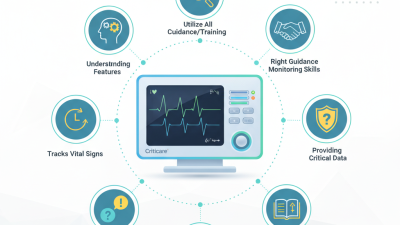
Vital signs machines are best classified by what they monitor, not by their screen size. Spot-check machines measure blood pressure, pulse rate, temperature, and oxygen saturation during routine rounds. Continuous bedside monitors track ECG, respiration, oxygen saturation, and repeated blood pressure. Multi-parameter systems support operating rooms, intensive care, and emergency departments. Their alarms require careful clinical settings.

Specialized machines serve narrower needs. Capnography measures exhaled carbon dioxide during sedation or ventilation. Fetal and maternal monitors track fetal heart rate, contractions, and maternal pressure. Ambulatory monitors collect readings outside the hospital. Remote monitoring systems may transmit data to clinical teams. However, connectivity does not guarantee better care. A 2024 ECRI health technology hazards report highlights missed alarms and poor alarm configuration as ongoing safety concerns. The World Health Organization reports that one in ten patients experiences harm in healthcare, with more than half considered preventable. These findings make accurate measurement and timely interpretation equally important.

Tips: Match the device to the clinical workflow. Check cuff sizes, sensor placement, calibration records, and battery status before use. Staff should understand which alarm needs immediate action. Classification can become blurred in modern devices. A machine may be portable, continuous, and multi-parameter at once. That is useful, but it can also confuse procurement decisions. A practical review should compare patient age, care setting, measurement frequency, connectivity, and cleaning requirements.

The Top 10 Vital Signs Machines Used in Hospitals and Clinics

Top 10 Vital Signs Machines for Hospitals and Clinics

The top 10 vital signs machines used in hospitals and clinics support fast, consistent patient assessment. These include multiparameter monitors, automated blood pressure machines, pulse oximeters, digital thermometers, ECG machines, fetal monitors, capnography devices, vital signs carts, wearable monitors, and manual backup equipment. Each device measures different risks, from rising temperature to unstable heart rhythms.

In a busy ward, a multiparameter monitor may display blood pressure, pulse, oxygen saturation, respiration, and temperature on one screen. A pulse oximeter is useful during recovery, but cold fingers or poor circulation can distort readings. ECG machines require correct electrode placement and calm skin preparation. Small mistakes matter. Regular calibration, battery checks, and documented cleaning help protect measurement quality. Staff should also compare unexpected results with the patient’s appearance and symptoms.

Tips: Choose machines that match the clinical setting. Check alarm volume before use. Keep cuffs in several sizes. Clean contact surfaces after every patient. Train staff on manual verification, because automated readings are not always correct. Record the device, time, position, and patient condition. Review unusual values instead of accepting them automatically. Even reliable equipment can fail when maintenance schedules are ignored.

Key Features for Comparing Accuracy, Workflow, and Patient Safety

Top 10 Vital Signs Machines for Hospitals and Clinics

Accuracy should lead the comparison.

A reliable vital signs machine measures blood pressure, pulse rate, temperature, oxygen saturation, and respiration consistently. Look for evidence from independent validation, not only attractive specifications. Adult, pediatric, and bariatric patients may need different cuffs. An incorrect cuff can distort blood pressure readings.

Small errors matter. Check measurement ranges, repeatability, calibration records, and alarm performance. A clear display helps clinicians notice abnormal results quickly, especially in crowded wards. However, a bright screen cannot replace sound clinical judgment.

Workflow deserves equal attention.

Wireless data transfer can reduce manual charting, but compatibility with existing records systems must be tested. Battery life, charging time, and transport weight influence daily use. Staff should clean the device between patients without damaging sensors or cables. Infection-control guidance must be practical, not merely printed in a manual.

During evaluation, observe the machine beside a patient bed. Does it start quickly? Can a nurse change profiles with gloves? These details often reveal weaknesses. No device is perfect.

Tips:

Test each shortlisted machine with real staff and typical patients. Compare readings against a properly maintained reference device. Review alarm volume in both quiet rooms and busy corridors. Record failed measurements, not just successful ones. A short trial may expose cuff leaks, confusing menus, or slow data transfer. Reassess performance after repeated cleaning and transport. The best choice supports safe decisions without adding unnecessary steps.

Best Practices for Operation, Maintenance, and Staff Training

Reliable operation of vital signs machines begins with a consistent bedside routine. Staff should confirm the patient’s identity, select the correct cuff size, and position the arm at heart level. An undersized cuff can produce falsely high readings. Skin temperature and motion may also affect sensor results. Keep the patient still for a few seconds. Small details matter.

Before each shift, trained staff should inspect cables, probes, cuffs, screens, and power connections. They should test alarms at audible levels and remove any damaged accessories from service. Clean contact surfaces according to the facility’s approved procedure, especially after monitoring patients with infectious symptoms. Never immerse electronic components. Record cleaning, faults, repairs, and calibration dates in a shared maintenance log. A missed entry can hide a repeated problem.

Training should include demonstration, supervised practice, and short competency checks. Each worker needs to explain when a reading looks unreliable and when manual confirmation is necessary. For example, a weak pulse signal, unexpected blood pressure change, or repeated error code deserves attention. Nurses and technicians should practice responding to alarms without silencing them automatically. That habit is easy to develop. It is also risky. Even experienced teams can rush during handovers, so refresher training should use realistic interruptions, dim rooms, and different patient conditions. Managers should review incident reports without blame, then adjust procedures when the same mistake appears twice.

Top 10 Vital Signs Machines for Hospitals and Clinics

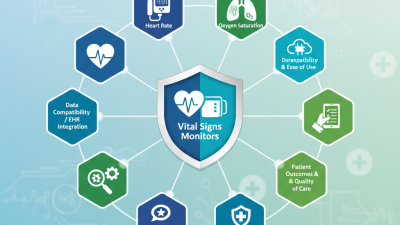
Common clinical parameters available in standard configurations

Multiparameter bedside and anesthesia monitors support the widest range of routine measurements, while thermometers and non-invasive blood pressure monitors focus on a single core vital sign. Staff should verify patient identity, use the correct sensor or cuff size, inspect cables and probes before use, clean equipment according to facility policy, and complete scheduled calibration and competency training.