10 Best Telemonitoring Devices for Remote Patient Monitoring?
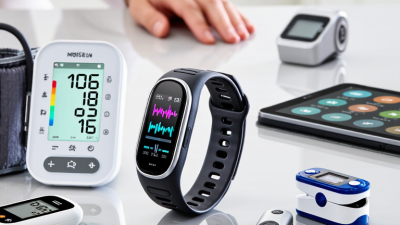
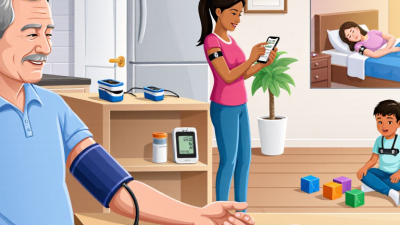
Remote care is moving beyond occasional video appointments. Today, telemonitoring devices can capture blood pressure, glucose, oxygen saturation, weight, heart rhythm, and daily symptoms at home. These readings may help clinicians identify changes earlier. They can also support patients managing chronic conditions between visits.
Yet more data does not automatically mean better care. A cuff can be uncomfortable. A sensor may lose connectivity. A patient may forget to charge it. These small failures matter. This guide examines ten leading telemonitoring devices through practical and clinical criteria, including measurement accuracy, usability, data security, interoperability, alert design, and professional oversight. Each device should be assessed within its intended population and care pathway, not judged by marketing claims alone.
Dr. Joseph Kvedar, a physician and recognized digital-health authority, said, “The future of health care is in the home.” His observation remains highly relevant, but the home is not a controlled laboratory. Lighting varies. Internet access fails. Patients have different abilities, routines, and levels of technical confidence. Therefore, reliable remote patient monitoring requires more than advanced hardware. It needs validated measurements, clear instructions, responsive clinical teams, and meaningful follow-up. No device is perfect. That limitation should remain visible. The best choices balance technical performance with human reality, helping clinicians act on useful information without overwhelming patients or creating unnecessary alarms.
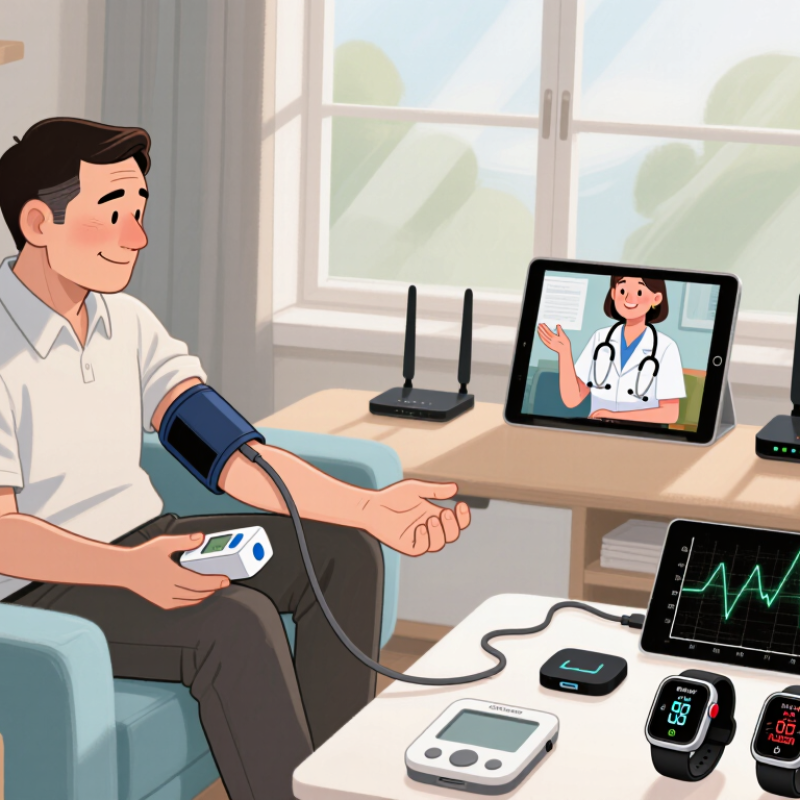
RPM Device Selection: CMS Requires 16 Days of Data per 30 Days
Choosing among the 10 best telemonitoring devices starts with one operational question: can the device produce usable data for at least 16 days within 30 days? CMS applies this threshold to many RPM supply claims, including CPT 99454, when connected devices record and transmit patient readings.
A blood pressure monitor, glucose meter, pulse oximeter, or digital scale may fit different care plans. Selection should match the condition, patient dexterity, connectivity, and clinical workflow. CMS’s CY 2025 Physician Fee Schedule continues to define RPM around connected medical devices and transmitted physiologic data. A device sitting unopened in a drawer creates no billable clinical value. It creates a gap.
The numbers matter. The American Medical Association’s 2022 digital health study found that 93% of physicians used digital health tools, while usability remained a major concern. That finding should influence procurement. A readable screen, automatic cellular transmission, and simple battery replacement can protect adherence. However, “automatic” does not guarantee engagement. A patient may still forget Tuesday’s reading. Staff should review transmission dashboards, document patient training, and contact patients before the 16-day window closes. The rule is clear, but real homes are messy. Industry reports often emphasize adoption; fewer measure the quiet failures behind missing data.
Best BP Monitors: WHO Reports 1.28 Billion Adults With Hypertension
Hypertension affects an estimated 1.28 billion adults aged 30–79 worldwide, according to the World Health Organization’s 2023 global report. Nearly half are unaware of their condition. Only about one in five has controlled blood pressure. These figures make reliable home monitoring central to remote patient monitoring programs.
The best blood pressure monitors should use an upper-arm cuff, store readings securely, and support clinically validated measurement protocols. The American Heart Association recommends two readings, one minute apart, taken twice daily during assessment periods. A telemonitoring platform can transmit these results to clinicians, helping identify persistent elevation rather than one alarming number. Still, home data can mislead. A loose cuff, crossed legs, recent exercise, or a rushed reading may distort the pattern. Real-world use remains imperfect, and that deserves attention.
Tips:
- Rest quietly for five minutes before measuring.
- Keep your back supported and feet flat.
- Place the cuff on bare skin at heart level.
- Record the time, symptoms, and medication changes.
- Compare the device with a clinic reading periodically.
- Do not adjust treatment without professional guidance.
- The World Health Organization also stresses that diagnosis requires repeated measurements and appropriate clinical evaluation, not a single device reading.
Best Glucose and Weight Monitors: CDC Counts 38.4 Million U.S. Cases
10 Best Telemonitoring Devices for Remote Patient Monitoring?
The CDC reports 38.4 million Americans live with diabetes, including 11.6% of the population. This figure makes reliable glucose monitoring a practical priority, not a gadget trend. Home glucose monitors can capture readings before breakfast, after meals, or during unusual fatigue. Weight monitors add another useful signal. CDC data show that 40.3% of U.S. adults had obesity during August 2021–August 2023. A sudden weight change may reflect fluid retention, medication effects, or worsening metabolic control. It does not explain the cause by itself.
The best telemonitoring devices should provide clinically useful readings, simple setup, secure data transmission, and clear alerts. The American Diabetes Association’s Standards of Care emphasizes individualized glucose targets and regular review. That matters because a perfect-looking dashboard can still hide poor measurement habits.
I have seen how missed readings, cold hands, unstable internet, or an incorrect cuff size can distort remote decisions. Human review remains essential. No device replaces clinical judgment.
Tips:
Choose a glucose monitor with automatic time stamps and easy data sharing. Select a weight monitor with a stable platform and consistent measurement conditions. Record readings at similar times, use the same device, and report symptoms with the numbers. Avoid reacting to one abnormal result. Confirm unusual readings before changing treatment, unless urgent symptoms require immediate medical help.
Best ECG, Pulse-Oximetry, and Thermometer Devices: ISO 80601 Standards
Remote patient monitoring depends on dependable signals, not attractive dashboards.
The MarketsandMarkets Remote Patient Monitoring report projects growth from about USD 14.0 billion in 2023 to USD 41.7 billion by 2028. That expansion increases the need for measurable quality. When comparing telemonitoring devices, check their alignment with ISO 80601 requirements. ECG systems should address ISO 80601-2-47, pulse oximeters ISO 80601-2-61, and clinical thermometers ISO 80601-2-56. These standards cover essential safety and performance expectations. They do not replace independent clinical validation.
ECG devices should preserve waveform quality during movement and detect rhythm changes reliably. Review sampling performance, electrode contact, stored recordings, and clinician export options.
Pulse oximetry requires careful testing across skin tones, motion, low perfusion, and weak signals. The FDA’s 2021 safety communication warned that several factors can affect oxygen readings, including skin pigmentation and poor circulation.
Temperature devices need suitable measurement sites, repeatability, and clear fever thresholds. Small delays matter.
A practical shortlist should also consider battery life, cleaning, connectivity, and alert fatigue. The World Health Organization reports that 1.28 billion adults aged 30–79 have hypertension, reinforcing the value of home monitoring. Yet a connected device can still produce misleading confidence.
I would question any product claiming effortless accuracy without published validation data. Standards help, but real patients are less tidy than laboratory subjects. Pain, sweat, cold fingers, and incorrect placement remain ordinary problems.
(Sources: MarketsandMarkets, Remote Patient Monitoring Market report; FDA, Pulse Oximeter Safety Communication, 2021; WHO, Hypertension Fact Sheet, 2023.)