Top Medical Monitoring Devices Tips for Global Buyers?
In the rapidly evolving world of healthcare, medical monitoring devices play a crucial role in patient care. Dr. Emily Thompson, a renowned expert in health technology, once stated, "The right devices can transform patient monitoring and enhance outcomes." This underscores the importance of selecting reliable and effective products.
Buyers face many challenges in this market, especially with the vast array of options available. Each device serves different purposes, yet quality varies significantly. Understanding the latest trends is essential for making informed choices.
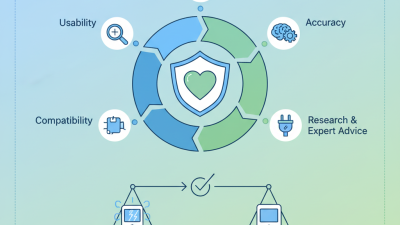
Investing in medical monitoring devices requires careful consideration. For instance, compatibility with existing systems can often be overlooked. Furthermore, evaluating manufacturer credibility is vital but can be tricky. Global buyers must stay informed to avoid costly mistakes. As the industry grows, so does the need for reliable guidance.
Understanding the Global Market for Medical Monitoring Devices
The global market for medical monitoring devices is expanding rapidly. According to recent industry reports, the market is projected to reach $27 billion by 2025, growing at a compound annual growth rate (CAGR) of 12%. This surge is driven mainly by the increasing prevalence of chronic diseases and an aging population. Advanced technologies, such as wearable devices and telehealth solutions, also play a key role in this growth.
Data indicates that regions like North America and Europe are leading the market due to high healthcare spending. However, emerging markets in Asia-Pacific are catching up quickly. These regions show a rising demand for such devices, influenced by urbanization and increased health awareness. Yet, challenges remain. For instance, regulatory hurdles and the need for efficient distribution channels can hinder progress. Some manufacturers struggle with understanding local market dynamics.
A 2022 report highlights that while innovation is crucial, many companies overlook the importance of user-friendly designs. Devices that are complex can deter potential users. Focusing on usability can significantly impact market acceptance. Moreover, there is a constant need for manufacturers to adapt to evolving consumer expectations. Balancing advanced features with simplicity is essential for future success in the medical monitoring device sector.
Key Features to Consider in Medical Monitoring Devices
When selecting medical monitoring devices, it's essential to understand key features that enhance functionality and reliability. Look for devices with real-time data tracking capabilities. This feature allows healthcare providers to monitor patients continuously. Instant access to a patient's condition can lead to quicker decisions, potentially saving lives.
Consider the device's connectivity options. Devices that offer seamless integration with healthcare systems are invaluable. They allow for easy data sharing among professionals. This interconnectedness helps in making informed treatment decisions. Evaluate the ease of use as well. A user-friendly interface ensures that both patients and providers can operate the device efficiently.
Evaluate battery life and portability as well. Long-lasting batteries mean less downtime. Portable devices provide flexibility in monitoring patients in various settings. Remember, choosing the right device can significantly impact patient care. It's a decision that requires careful consideration and sometimes, a bit of trial and error.
Comparative Analysis of Leading Brands and Models
When exploring medical monitoring devices, buyers face numerous options. Each device offers unique features designed to enhance patient care. Some models excel in versatility, allowing for multiple measurements like heart rate and oxygen saturation. Others focus on precision, providing highly accurate data essential for critical conditions. It's crucial to assess how well these devices integrate with healthcare systems, as compatibility can impact patient outcomes significantly.
Brand reputation often plays a role in the decision-making process. Established brands might promise reliability, but newer entrants may deliver innovative features at competitive prices. Some buyers might overlook their specific needs, such as portability or ease of use. Reflecting on personal requirements can help identify which model aligns best with daily operations. It's essential to not just rely on popular recommendations but to analyze specifications and clinical validation data.
User experience varies widely among different models. Some devices are user-friendly, while others can be complex, requiring significant training. A great device on paper may not perform as expected in real-world applications. Buyers should consider trial periods or demos where possible. Collecting feedback from healthcare professionals who use these devices daily can provide invaluable insights, revealing advantages and drawbacks that specifications alone cannot.
Regulatory Standards and Compliance for Medical Devices
Navigating the regulatory landscape for medical devices is crucial for global buyers. Compliance with international standards is not just a requirement; it ensures patient safety and effective performance. The World Health Organization outlines that about 50% of medical devices are not compliant with local regulations. This highlights the gap in understanding and adherence to standards across different regions.
Global markets often refer to the ISO 13485 standard as a benchmark for medical device quality management systems. Manufacturers are required to demonstrate compliance to gain approval in most markets. Non-compliance can lead to product recalls and significant financial losses. The FDA reports that over 2,000 devices were removed from the market due to compliance issues in the last five years.
Another critical aspect involves the ISO 14971 standard for risk management. This standard emphasizes identifying hazards associated with medical devices. Failure to thoroughly assess risks can result in devastating consequences. Statistical analysis suggests that companies lacking robust risk management practices face increased liability claims by 45%. As regulations continually evolve, buyers must remain informed and adaptable to ensure that their products meet necessary compliance standards.
Future Trends in Medical Monitoring Technology and Innovations
The landscape of medical monitoring technology is shifting rapidly. Wearable devices are becoming more sophisticated, thanks to advancements in sensor technology and data analytics. A report by Grand View Research indicates that the global wearable medical device market is projected to reach $27 billion by 2024, growing at a CAGR of 24.3%. This suggests a rising demand for devices that can monitor health continuously and provide real-time feedback.
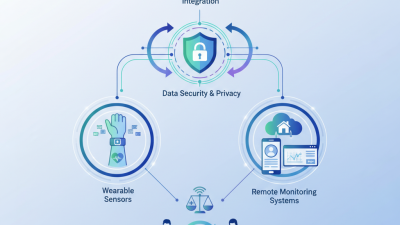
With this growth, buyers should prioritize compatibility and ease of use when selecting medical monitoring devices. Choose devices that integrate seamlessly with telehealth platforms. This integration can enhance patient engagement and ensure continuous monitoring. Another key aspect is data security; as more health data is shared online, buyers need to focus on devices that ensure robust encryption and safeguard sensitive information.
Innovation is also emerging in artificial intelligence (AI) applications within medical monitoring. Predictions indicate that AI will revolutionize diagnostic accuracy, optimizing patient outcomes. Still, skepticism remains about data interpretation. The medical community must address this challenge to build trust. So buyers should seek devices backed by clinical validation studies, ensuring the technology has proven effectiveness and reliability. Investing in proven, innovative solutions will undoubtedly meet future healthcare challenges.