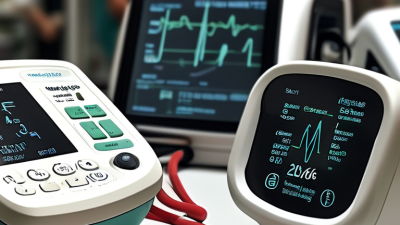
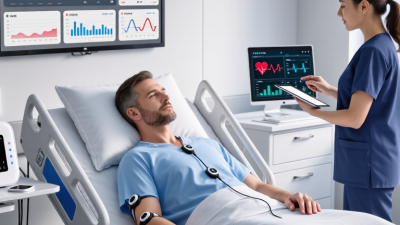
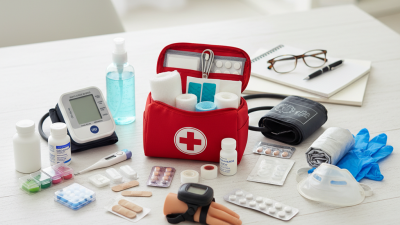
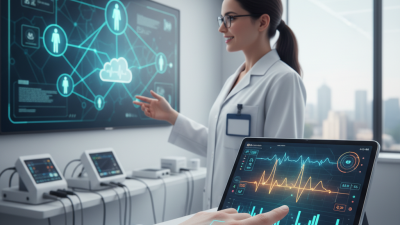
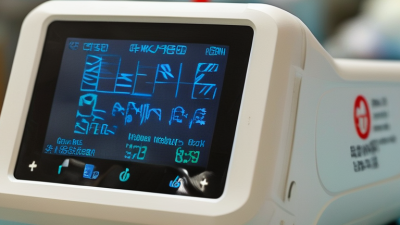
As healthcare becomes more connected, the health monitoring system market is moving beyond simple step counters. In 2026, leading suppliers are expected to support hospitals, clinics, workplaces, and home-care providers worldwide. Their platforms may combine wearable sensors, remote patient monitoring, cloud dashboards, and artificial intelligence. A small wrist device can track heart rate, oxygen saturation, sleep patterns, or irregular rhythms during daily life.
This overview examines the 2026 Top Health Monitoring System Suppliers Worldwide through practical and evidence-based criteria. These include sensor accuracy, data security, interoperability, clinical validation, technical support, and long-term operating costs. Supplier reputation also matters. A polished demo cannot replace reliable performance in a crowded emergency department or a quiet home-care setting.
Dr. Eric Topol, a cardiologist and digital medicine researcher, stated, “The future of medicine is the consumer.” His observation remains highly relevant. Patients increasingly expect useful health information without unnecessary complexity. However, connected data is not automatically meaningful data. Systems can produce false alerts, incomplete readings, or confusing dashboards. That weakness deserves attention. This guide therefore considers both innovation and real-world limitations, helping decision-makers compare suppliers with greater care. The strongest health monitoring system may not be the newest product. It may be the one that clinicians can trust, patients can use, and organizations can maintain responsibly.
Health monitoring systems are integrated tools that collect, analyze, and display health-related information. They may serve hospitals, clinics, workplaces, homes, or community programs. Common inputs include heart rate, blood pressure, oxygen saturation, temperature, movement, sleep patterns, and patient-reported symptoms.
Their scope extends beyond wearable devices. A complete system can include sensors, mobile applications, cloud platforms, clinical dashboards, alerts, and secure data connections.
Core functions include continuous measurement, trend analysis, abnormal-result detection, record management, and communication between patients and qualified professionals.
In a hospital room, for example, a monitor may detect falling oxygen levels and notify staff within seconds. In home care, simple prompts can help users record medication effects or daily symptoms.
Accuracy depends on sensor placement, calibration, user behavior, and network stability.
No system is flawless. A loose wrist sensor can produce misleading readings. Data gaps also occur. Suppliers should therefore explain validation methods, maintenance needs, interoperability, privacy controls, and technical support.
Independent testing and transparent documentation strengthen trust. Buyers should examine how alerts are reviewed, not only how quickly they appear. A fast warning without clinical context may create confusion. The most reliable systems support professional judgment rather than replace it, while leaving room for human review when measurements conflict with a patient’s actual condition.
Modern health monitoring systems combine wearable sensors, connected devices, and clinical software. Photoplethysmography tracks pulse and blood oxygen through changing light absorption. Electrical sensors record heart rhythms, including irregular patterns that may require review. Skin temperature sensors can reveal changes during infection, exercise, or recovery.
Small details matter. During device evaluations, a loose wrist strap can distort readings. Motion can also confuse optical sensors. Multi-sensor fusion helps reduce these errors. Some systems combine heart rate, movement, breathing, and temperature data. Edge computing processes signals near the user, reducing delays and limiting unnecessary data transfers. Artificial intelligence can identify unusual trends, but it should support clinicians rather than replace them.
Connectivity creates another technical layer. Bluetooth, cellular links, and secure cloud platforms help transmit measurements from homes to care teams. Interoperability standards allow different systems to exchange structured records. Strong encryption protects data during transfer and storage. Clear consent controls are equally important. No sensor is perfect. A low oxygen reading may reflect cold fingers, poor circulation, or a damaged sensor. Reliable systems therefore display confidence levels, preserve raw readings, and encourage professional verification. False alarms remain a practical weakness, especially when algorithms interpret normal differences as danger. Calibration, transparent testing, and regular software review are essential for safer monitoring.
Choosing a health monitoring system supplier requires more than comparing screen features and purchase prices. In field evaluations, I examine performance during motion, poor lighting, and weak connectivity. Real clinical validation matters. Ask for peer-reviewed evidence, test methods, sample sizes, and known limitations. A polished dashboard cannot compensate for uncertain readings. Some data remains imperfect.
Technical fit should match the care setting. Check sensor accuracy, calibration intervals, battery life, data export, and interoperability with existing records. Demand clear documentation for algorithms, alerts, and update controls. Security deserves equal attention. Review encryption, access logs, role-based permissions, backup recovery, and vulnerability handling. Suppliers should explain where data is stored and how authorized users retrieve it. Vague answers are warning signs.
Supplier reliability appears after installation. Review training plans, response times, spare-device availability, maintenance procedures, and regional service coverage. Speak with healthcare users, not only sales contacts. Request references from similar patient populations and workloads. Examine quality systems, independent audits, and applicable medical-device approvals. A supplier may meet every checklist yet struggle with local support. I have seen this gap disrupt capable deployments. Include a monitored pilot with defined accuracy, uptime, and user-safety measures. The pilot may reveal inconvenient weaknesses. That is useful evidence.
2026 Top Health Monitoring System Suppliers Worldwide
Supplier categories are widening as hospitals move from standalone devices to connected care ecosystems. Device manufacturers provide bedside monitors, wearable sensors, and vital-sign modules. Software specialists add clinical dashboards, alerts, and data interoperability. Contract manufacturers support regional production, while distributors handle installation, training, and maintenance. Systems integrators connect these layers with hospital information systems.
Grand View Research estimates the global patient monitoring devices market could expand at about 7% annually through 2030. Fortune Business Insights reports a similar growth direction, although its market boundaries differ. That difference deserves attention. Forecasts are useful, but procurement teams should check definitions, currencies, and shipment volumes before comparing suppliers.
Regional coverage remains uneven. North America leads in advanced monitoring adoption, supported by mature reimbursement and hospital digitization. Europe emphasizes data governance, cross-border compliance, and home-care integration. Asia-Pacific is gaining quickly, driven by expanding hospitals and local manufacturing capacity. Latin America and the Middle East increasingly rely on distributors with strong service networks and multilingual training. The World Health Organization projects that one in six people will be aged 60 or older by 2030, strengthening demand for continuous and remote monitoring. In practice, a reliable supplier needs more than attractive hardware. It should document validation procedures, cybersecurity controls, calibration schedules, and response times. Small gaps matter. Reports often understate them.
| Supplier Category | Representative System Types | Primary Health Parameters | Main Healthcare Settings | 2026 Global Demand Level | North America | Europe | Asia-Pacific | Latin America | Middle East & Africa | Key Market and Compliance Considerations |
|---|---|---|---|---|---|---|---|---|---|---|
| Multiparameter Patient Monitoring Systems | Bedside monitors, transport monitors, central monitoring stations and telemetry systems | Electrocardiography, heart rate, blood pressure, oxygen saturation, temperature and respiration | Intensive care, emergency departments, operating rooms, inpatient wards and ambulances | Very High | Mature and high-value hospital market | Mature market with strong public-hospital procurement | Rapid hospital-capacity expansion and replacement demand | Growing use in private hospitals and referral centers | Demand concentrated in urban and tertiary hospitals | Electrical safety, alarm management, cybersecurity, interoperability and medical-device authorization are central purchasing requirements. |
| Remote Patient Monitoring Platforms | Connected home-monitoring kits, clinician dashboards, patient apps and virtual-care platforms | Blood pressure, pulse oximetry, weight, glucose, temperature and symptom data | Home care, chronic-disease programs, post-discharge care and virtual wards | Very High | Strong reimbursement and hospital-at-home adoption | Expanding through integrated care and telehealth programs | Fast growth in digitally connected urban populations | Adoption supported by telemedicine and private providers | Developing through national digital-health initiatives | Data privacy, clinical validation, connectivity reliability, reimbursement policy and integration with electronic health records are key factors. |
| Continuous Glucose Monitoring Systems | Wearable glucose sensors, receivers, mobile applications and data-management software | Interstitial glucose levels, glucose trends, time in range and high/low alerts | Diabetes clinics, outpatient care, home monitoring and inpatient glycemic management | Very High | Broad clinical and consumer adoption | Strong uptake where diabetes reimbursement is available | Large addressable population and expanding access | Increasing use in specialist and private-care channels | Growth led by specialist centers and public programs | Sensor accuracy, wear duration, affordability, reimbursement and regulatory classification influence market access. |
| Cardiac Monitoring and Diagnostic Systems | Holter monitors, event monitors, ambulatory ECG devices and wearable cardiac recorders | Heart rhythm, ECG waveforms, arrhythmia events and heart-rate variability | Cardiology departments, outpatient diagnostics, emergency care and home monitoring | Very High | High diagnostic volume and specialist adoption | Established cardiology and ambulatory-care infrastructure | Increasing cardiovascular screening and diagnostics | Demand centered on metropolitan hospitals | Expansion linked to cardiovascular disease programs | Signal quality, physician interpretation workflows, clinical evidence and secure transmission of ECG data are important differentiators. |
| Respiratory Monitoring and Sleep Systems | Capnography, respiratory-rate monitors, sleep-study systems and home respiratory devices | Respiratory rate, end-tidal carbon dioxide, airflow, oxygen saturation and sleep events | Critical care, anesthesia, sleep laboratories, pulmonary clinics and home respiratory care | High | Advanced hospital and home-care demand | Strong sleep and respiratory-care infrastructure | Growing diagnosis of sleep and pulmonary disorders | Gradual expansion of specialist services | Demand strongest in tertiary and private hospitals | Accuracy during motion, sensor disposability, infection control, clinical workflow and home-care support affect supplier selection. |
| Wearable Vital-Sign Monitoring Devices | Patch monitors, smart garments, wrist-worn devices and portable vital-sign sensors | Heart rate, activity, temperature, oxygen saturation and selected ECG measurements | Preventive care, sports medicine, outpatient monitoring and consumer health | High | Strong consumer and clinical-channel penetration | High interest with strict privacy expectations | Large manufacturing and consumer-electronics ecosystem | Growing consumer-health adoption | Early-stage clinical deployment outside major cities | Not every wellness device is a medical device; intended use, measurement accuracy, data governance and clinical evidence must be assessed separately. |
| Blood Pressure Monitoring Systems | Automated upper-arm monitors, ambulatory blood-pressure systems and connected home devices | Systolic pressure, diastolic pressure, pulse rate and hypertension trends | Primary care, pharmacies, home care, emergency departments and hypertension programs | Very High | Broad primary-care and home-use penetration | Established screening and chronic-care use | Large hypertension-management opportunity | High need with variable access to validated devices | Growing use in primary-care and community programs | Clinical validation protocols, cuff sizing, calibration, affordability and connectivity are essential for dependable use. |
| Temperature and Infection-Monitoring Systems | Connected thermometers, continuous temperature patches and multi-patient surveillance tools | Body temperature, temperature trends and fever alerts | Hospitals, long-term care, pediatrics, home care and infection-control programs | Medium to High | Established use in hospitals and home care | Strong institutional and elder-care demand | Growing adoption in hospitals and aged-care facilities | Selective deployment in hospitals and clinics | Useful for remote and resource-limited monitoring programs | Measurement site, response time, disposable-sensor cost, cleaning requirements and integration with nurse-call systems matter in institutional settings. |
| Fetal and Maternal Monitoring Systems | Electronic fetal monitors, cardiotocography systems, maternal vital-sign monitors and wireless obstetric systems | Fetal heart rate, uterine activity, maternal pulse, blood pressure and oxygen saturation | Maternity wards, labor and delivery units, obstetric clinics and rural referral networks | High | Mature obstetric monitoring infrastructure | Strong hospital and midwifery-service demand | Expansion supported by maternal-health investment | Demand linked to maternal-care modernization | Important for referral hospitals and maternal-health programs | Clinical usability, wireless reliability, training, maintenance support and suitability for low-resource environments influence procurement. |
| Neonatal Monitoring Systems | Neonatal bedside monitors, incubator-integrated monitoring and specialized pulse-oximetry systems | Heart rate, respiration, oxygen saturation, temperature and non-invasive blood pressure | Neonatal intensive care units, maternity hospitals and pediatric critical care | High | Advanced neonatal-care demand | Well-established specialist market | NICU capacity and equipment-upgrade growth | Concentrated in tertiary-care facilities | Increasing investment in neonatal referral centers | Low-perfusion accuracy, alarm configuration, skin safety, infection prevention and specialized technical service are critical. |
| Clinical Data Integration and Analytics Suppliers | Device-connectivity engines, clinical dashboards, alarm analytics and population-monitoring software | Aggregated physiologic data, patient-risk indicators, adherence and workflow metrics | Hospitals, command centers, accountable-care programs and public-health networks | High | Strong demand for interoperability and workflow automation | High demand with rigorous data-protection requirements | Rapid digital-hospital development | Early expansion through private and public networks | Emerging market, often limited by infrastructure and skills | Interoperability standards, identity management, cybersecurity, algorithm transparency and compliance with health-data regulations are decisive. |
| Portable and Point-of-Care Monitoring Systems | Handheld analyzers, compact vital-sign monitors and battery-powered diagnostic platforms | Vital signs, selected blood chemistry, hemoglobin, lactate and other point-of-care indicators | Emergency transport, primary-care clinics, rural health, disaster response and community programs | High | Emergency and outpatient applications | Mobile-care and decentralized diagnostics | Strong need across urban and rural settings | Useful where laboratory access is uneven | High relevance for remote and mobile healthcare delivery | Battery life, ruggedness, reagent stability, operator training, connectivity and total cost of ownership are major selection criteria. |
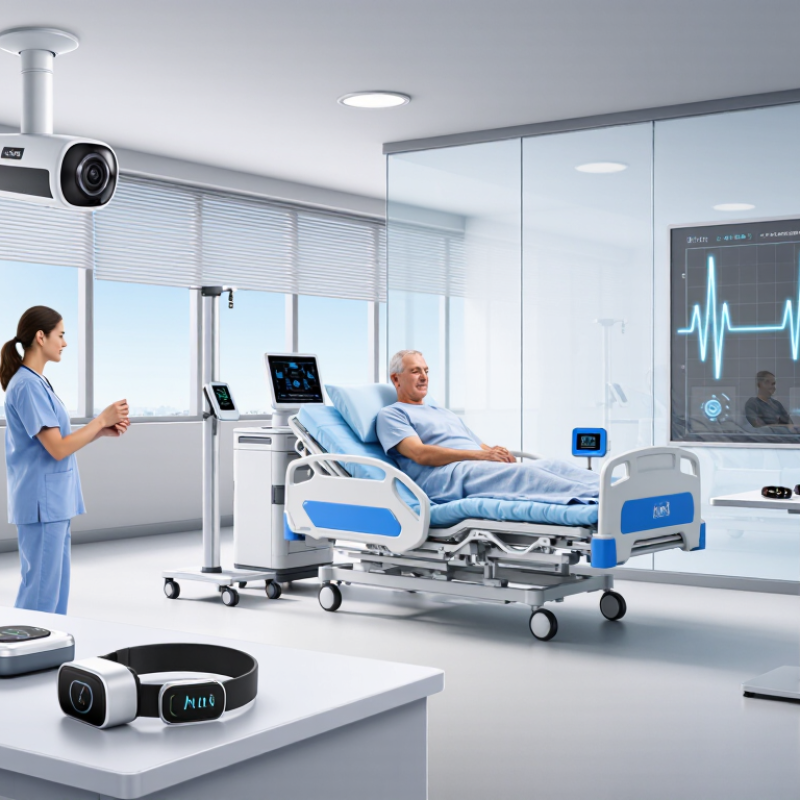
Global health monitoring suppliers should be judged beyond price and device specifications. WHO estimates a shortage of 10 million health workers by 2030, increasing demand for remote monitoring. Procurement teams should test accuracy, uptime, interoperability, and training needs in real clinical settings. A polished dashboard can still fail during weak connectivity. That risk is easy to underestimate.
Compliance must be documented before deployment. Suppliers should provide clinical evidence, cybersecurity controls, data-retention policies, and clear software update procedures. The FDA’s public list of AI-enabled medical devices now exceeds 1,000 entries, showing how quickly algorithmic tools are entering healthcare. The 2024 Cost of a Data Breach Report recorded an average healthcare breach cost of 9.77 million dollars. Encryption alone is not enough. Buyers should also check access logs, incident response, algorithm change control, and regional privacy requirements. Requirements can conflict across markets.
Tips: Request a sample audit package before signing. Compare sensor data with clinical measurements. Ask who owns the raw data. Require export in open formats. Pilot the system with older adults and low-bandwidth connections. Future-ready suppliers should support edge processing, explainable alerts, and human review. Still, automated warnings may create fatigue or unequal care. Procurement decisions need periodic reassessment, not one perfect checklist.
©2026Infinium Medical
Adding {{itemName}} to cart
Added {{itemName}} to cart