Medical devices are tools, software, and materials used to diagnose, monitor, prevent, or treat health conditions. They range from a simple examination glove to an implanted heart valve or a scanner that produces detailed images of the body. The World Health Organization’s Global Atlas of Medical Devices reports more than two million types, grouped into over 7,000 generic categories. That range matters. It shows why “device” does not describe one uniform product or level of risk. A thermometer used at home and a life-support system in an intensive care unit serve very different purposes.
The U.S. Food and Drug Administration’s definition covers instruments, implants, software, and diagnostic products intended for medical purposes. It also distinguishes devices from products whose primary effect comes from chemical action in the body. Not always obvious. Some technologies combine functions, so their intended use and design help clarify how they should be understood. MedTech Europe’s Facts & Figures 2024 report estimated the European medical technology market at about €170 billion in 2022. That figure gives a sense of the sector’s scale, but market size alone says little about a device’s safety or value to a patient. Understanding medical devices means looking at what a product does, who uses it, and how its performance is assessed. The details can be less tidy than a definition suggests.
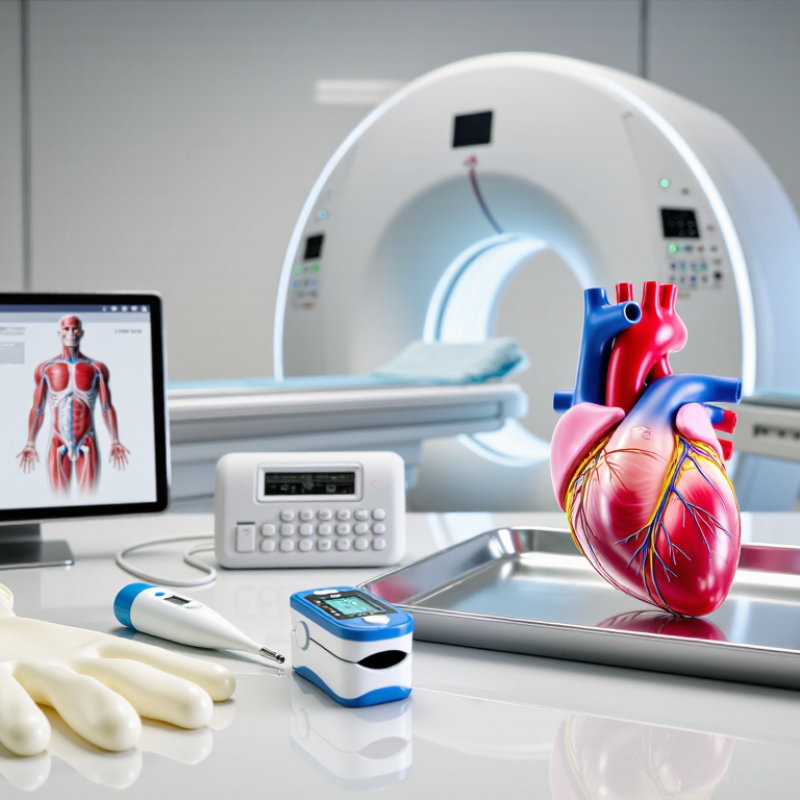
A medical device is an instrument, machine, implant, software, or other product intended for a medical purpose. That purpose may include diagnosing, monitoring, treating, or preventing disease, or supporting the body’s structure or function. The intended use matters: a thermometer measures temperature, while a diagnostic scanner turns signals into images clinicians can assess. The object alone does not tell the whole story.
The World Health Organization estimates that roughly 2 million kinds of medical devices are available worldwide, grouped into more than 7,000 generic categories. This scale reflects varied needs, from simple bandages to complex imaging systems. Their shared core purpose is practical: help people detect health problems, guide care, or maintain essential body functions. A device may inform a decision, but it does not replace clinical judgment.
Definitions can feel less tidy in daily care. A device’s usefulness depends on its setting, the person using it, and whether its results are understood correctly. A pulse oximeter, for example, provides a reading; a trained professional considers that reading alongside symptoms and other evidence. WHO’s guidance on health technologies emphasizes that access, safe use, and maintenance also shape their value. A device is not helpful merely because it exists.
Medical devices cover a wide range of tools, from simple tongue depressors to complex imaging systems. One useful way to understand them is by their main purpose. Diagnostic devices help detect or assess health conditions. Examples include blood pressure cuffs, thermometers, and imaging equipment. Monitoring devices track changes over time, such as a wearable sensor recording heart rate. Some tools do both.
Therapeutic devices help treat or support care. Infusion pumps deliver measured fluids, while external supports can stabilize an injured joint. Assistive devices, such as mobility aids and hearing devices, help people manage everyday activities. Implants and prostheses form another category; they may replace or support a body structure. Single-use items, including dressings and test supplies, are also medical devices. Software can qualify when it performs a medical function. These groups can overlap, so a device’s purpose matters more than its appearance. The categories are useful, but not always tidy.
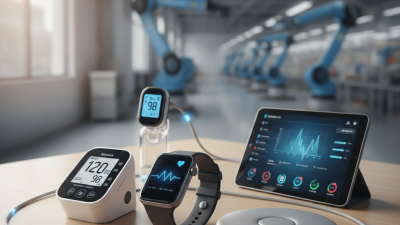
Tips: Check the device’s intended use, instructions, and maintenance needs. Keep monitoring equipment clean and follow its setup directions. Small details matter. A misplaced sensor, for example, can affect a reading. When results seem unusual, repeat the measurement as instructed and seek qualified clinical guidance rather than changing treatment based on one reading.
Medical device design begins with the actual conditions of use. A handheld monitor may face gloved fingers, hurried cleaning, and a patient who moves unexpectedly. Designers turn these realities into measurable requirements for accuracy, durability, alarms, and ease of use. Risk analysis helps teams identify what could go wrong before building prototypes. Small details matter.
The FDA’s 2023 CDRH Annual Report recorded 124 novel device authorizations, reflecting the range of technologies that must be evaluated. That number does not mean every device follows the same testing path. Verification checks whether a device meets its written specifications; validation asks whether it works for intended users and purposes. Tests may cover electrical safety, software performance, biocompatibility, usability, and sterilization, depending on the device. A simulated-use test might ask a clinician to operate a control with wet gloves while monitoring an alarm. Protocols should define acceptance criteria before testing, and teams should document failures and design changes. A polished prototype can still perform poorly in a busy clinic. Bench results alone may not capture that. FDA guidance and recognized standards can help structure evidence, but teams still need to explain why each test fits the device’s risks and intended use.
What Are Medical Devices?
Regulation and Safety Monitoring of Medical Devices
Medical devices include items used to diagnose, prevent, or treat health conditions, from thermometers to implanted heart valves. Their risks differ. A reusable surgical instrument, for example, raises different safety questions from software that helps interpret a scan.
Regulators generally assess devices according to their intended use and potential risk. Depending on the country, requirements may include evidence of safety and performance, manufacturing controls, clear instructions, and review before sale. Rules vary, so approval in one region does not automatically mean approval everywhere. Claims should match the evidence; a polished label cannot replace sound testing.
Safety monitoring continues after a device reaches clinics and homes. Healthcare workers may record a malfunction, an unexpected injury, or repeated trouble with a battery or connector. Manufacturers and regulators can use reports to investigate patterns and, when needed, update instructions or take other action. Small details matter. A loose connection can interrupt a reading at a critical moment. Not every signal is clear. Reports may be incomplete, and a single event rarely explains the full cause. That is why careful documentation, follow-up, and honest review of uncertainty remain important.
| Topic | Key Information | Regulatory or Safety Relevance |
|---|---|---|
| Definition | A medical device is an instrument, apparatus, implement, machine, implant, software, or related product intended for a medical purpose, such as diagnosing, preventing, monitoring, or treating disease. | The intended purpose and how a product works help determine whether it is regulated as a medical device and which requirements apply. |
| Examples | Examples include examination gloves, diagnostic imaging equipment, infusion pumps, blood glucose meters, and implantable cardiac devices. | Devices differ widely in purpose, complexity, and potential harm, so their oversight and safety controls are not identical. |
| Risk-based classification in the United States | The U.S. Food and Drug Administration (FDA) classifies devices into Class I, Class II, or Class III, broadly reflecting increasing regulatory control and risk. | The applicable controls depend on the device and its intended use. Some devices may be exempt from particular requirements, subject to regulatory conditions. |
| Risk-based classification in the European Union | Under the EU Medical Device Regulation, devices are generally classified as Class I, IIa, IIb, or III, using rules that consider factors such as intended purpose and duration or invasiveness of use. | The classification helps determine the conformity assessment route. Notified-body involvement depends on the device and the applicable rules; it is not the same for every device. |
| Evidence before market access | Depending on the jurisdiction, device type, and regulatory pathway, evidence may include technical documentation, performance testing, clinical evidence, or a review of substantial equivalence to a legally marketed device. | The required evidence is pathway-specific; no single premarket process applies to all medical devices. |
| Quality management | Manufacturers are subject to quality-system requirements that address processes such as design, production, supplier controls, corrective actions, and records. | A functioning quality system helps prevent defects, identify process problems, and support consistent device performance. |
| Labeling and instructions | Labels and instructions provide information such as intended use, warnings, precautions, operating directions, and storage conditions, as required by applicable regulations. | Clear, accurate information helps users operate devices correctly and understand relevant risks and limitations. |
| Unique device identification | Some regulatory systems require a unique device identifier (UDI) on applicable device labels and packaging, with specified information recorded in a database. | UDI can support device identification, traceability, inventory management, and safety actions, subject to the rules and exemptions that apply. |
| Post-market safety monitoring | After a device is marketed, safety information may come from adverse-event reports, complaints, service records, clinical follow-up, and other surveillance activities. | Monitoring can reveal problems that were uncommon, delayed, or not apparent before wider use. |
| Adverse-event reporting | Reporting duties vary by jurisdiction. In the United States, certain manufacturers and device user facilities must report specified device-related deaths, serious injuries, or malfunctions to the FDA; voluntary reports may also be submitted. | Reports help regulators and manufacturers assess safety signals. A report by itself does not establish that a device caused an event. |
| Corrective actions and recalls | When a safety or quality issue is identified, actions may include investigation, revised instructions, device correction, field safety notices, or removal from the market, as appropriate. | Timely communication and traceability help reduce exposure to known risks and guide users on what action to take. |
| Shared role in safety | Manufacturers, regulators, healthcare professionals, facilities, and users may all contribute to identifying and communicating device problems. | Following instructions, documenting incidents, and reporting suspected problems through the appropriate channels support ongoing safety monitoring. |
Medical devices move between clinics and ordinary routines. A thermometer helps a parent check a fever at home; a blood-pressure monitor can guide a clinician’s follow-up. In hospitals, imaging systems, infusion pumps, and surgical instruments support diagnosis and treatment. Their value depends on correct selection, training, maintenance, and clean handling—not merely technical sophistication. Small details matter. A cuff placed over clothing can distort a reading.
The World Health Organization’s Global Atlas of Medical Devices (2017) describes roughly two million device types across about 7,000 generic groups. That breadth includes everyday tools such as glasses, hearing aids, and mobility aids, alongside complex equipment used by trained staff. WHO and UNICEF’s 2022 Global Report on Assistive Technology estimates that more than 2.5 billion people need one or more assistive products; this may rise to 3.5 billion by 2050. These products can support communication, movement, and self-care at home, school, or work. Yet access alone is not enough. A device that fits poorly, lacks follow-up, or is hard to use may sit unused. That gap deserves more attention.
©2026Infinium Medical
Adding {{itemName}} to cart
Added {{itemName}} to cart