How to Choose a Portable Vital Signs Monitor?
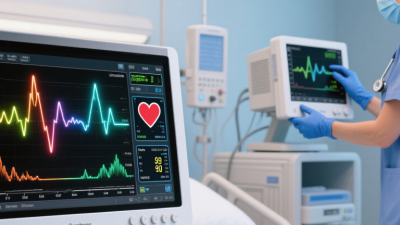
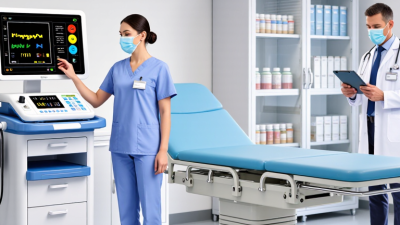
Choosing a portable vital signs monitor is not simply a matter of comparing screens and prices. The right device should fit the setting, the patient population, and the decisions clinicians need to make. A monitor carried between treatment rooms may need to be light, quick to clean, and ready for frequent use. In home care, clear readings, simple controls, and dependable battery life may matter more. Small details count: Can staff read the display under bright lights? Does the cuff fit the patients being monitored? How easily can readings be saved or shared?
“[Insert a verified quotation from a named, qualified monitoring or biomedical engineering expert.]” An accurate expert quotation helps readers assess the advice, but it should be checked against a reliable source before publication. Without that verification, attributing a statement to a real specialist would be misleading. This guide instead focuses on practical selection criteria, including measurement capabilities, accuracy documentation, usability, connectivity, maintenance, and support.
No single portable vital signs monitor is ideal for every environment. A feature-rich model may add complexity that staff do not need; a simpler model may lack useful data-sharing options. That trade-off deserves a closer look. By matching the monitor’s specifications to real workflows—and checking claims against manufacturer documentation and clinical requirements—buyers can make a more informed, defensible choice.
Understanding Portable Vital Signs Monitors and Their Main Uses
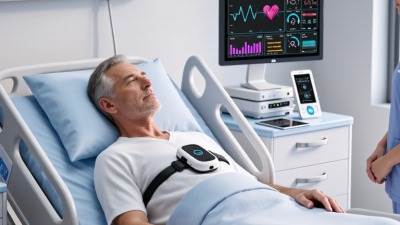
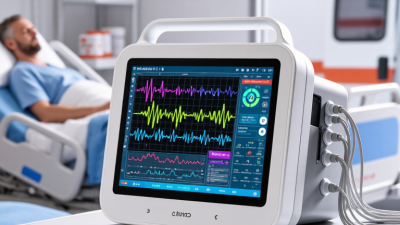
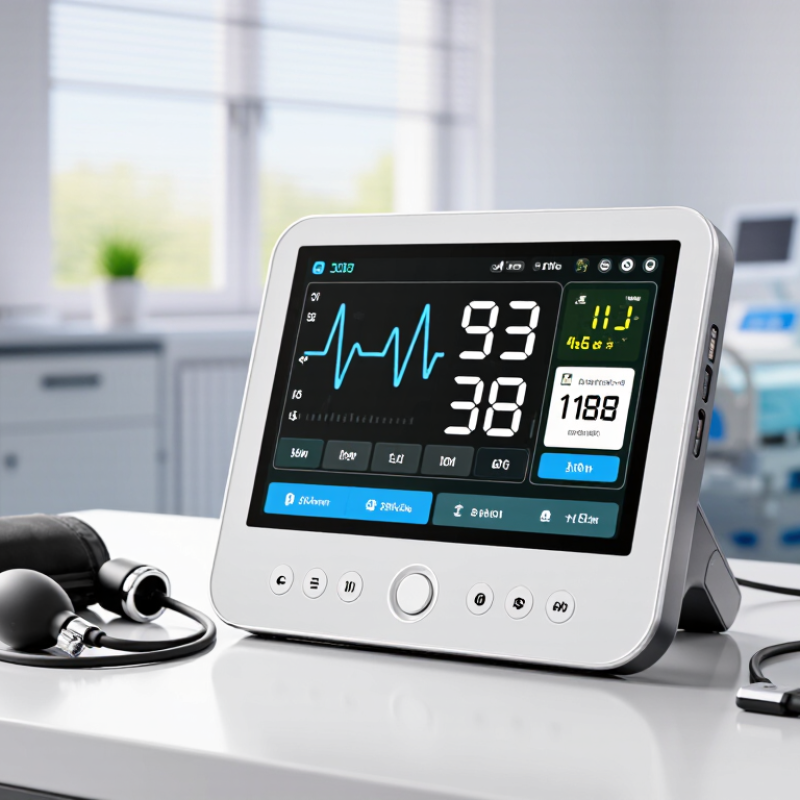
Portable vital signs monitors bring bedside measurements into ambulances, clinics, home-care visits, and patient rooms. Depending on the model, they may measure blood pressure, pulse rate, oxygen saturation, temperature, and sometimes electrocardiogram activity. The readings help clinicians observe changes without carrying several separate devices. Useful in busy settings. A nurse can check a patient’s oxygen level and pulse while documenting symptoms during a home visit. In an ambulance, a compact screen can display trends as the patient is transported.
These devices support assessment; they do not replace clinical judgment or a full examination. Movement, cold fingers, poor circulation, or an incorrectly sized blood-pressure cuff can affect readings. A single unusual number may need repeating and comparison with the patient’s symptoms. I have seen how easy it is to trust a clear digital display too quickly. It still needs context. Staff should know how to position sensors, clean reusable parts, and recognize when a reading looks unreliable. For home use, the monitor should be simple to operate, have a readable screen, and provide clear instructions for recording results. Battery life and the ability to share measurements may matter during longer visits, but extra features are not automatically useful. Choose a device suited to the patient, care setting, and measurements actually needed.
Identifying the Vital Signs and Measurements You Need
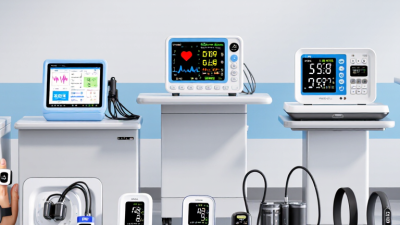
Before comparing portable vital signs monitors, list the measurements your care setting actually uses. A small clinic may need blood pressure, pulse rate, temperature, and oxygen saturation. A home-care team may also record respiratory rate. Start with real tasks, not the longest feature list.
Think about who will be measured and where. A monitor used with children may need suitable cuff sizes and clear pediatric settings. For patients with irregular pulses, an electrocardiogram function may be relevant, but it is not needed for every routine check. Cold hands, movement, and poor circulation can affect pulse-oximeter readings. Context matters.
Check how each measurement is taken and displayed. Can staff record temperature with the method they already use? Are blood pressure results easy to read in a dim room? Small details count. Confirm that the device’s stated accuracy and operating limits fit your intended use, and review its instructions with qualified clinical staff. A reading is not a diagnosis. It should be interpreted alongside the patient’s condition and local clinical procedures. I would also ask what happens when a measurement fails; this is easy to overlook during a product comparison. Don’t assume every sensor is necessary. A simpler monitor may be easier to carry, clean, and use consistently.
Comparing Accuracy, Portability, Battery Life, and Ease of Use
A portable vital signs monitor should earn trust before it earns a place in a care bag. Check its measurement performance across the parameters you actually use, then confirm the stated testing conditions. FDA guidance evaluates pulse oximeter accuracy using root-mean-square error; a common criterion is no more than 3% across oxygen saturation values of 70% to 100%. That is a laboratory benchmark, not a promise for every patient. A 2020 New England Journal of Medicine study found occult hypoxemia more often in Black than White patients when pulse oximeter readings appeared acceptable: 11.7% versus 3.6%. Skin tone and poor circulation deserve attention. So does the device’s validation evidence.
Portability is more than a low number on a product sheet. Hold the monitor, attach its cuff or probe, and picture carrying it through a crowded ward or between home visits. Check whether the screen stays readable under bright light and whether cables snag during movement. Battery life should cover a realistic shift, including alarms and screen use; published runtime may reflect quieter settings. Ask how long a full recharge takes. Small detail, big difference. Ease of use shows up in setup time, clear alerts, and simple cleaning. Try the controls with gloves on, and see whether a second staff member can use them without a long handover. I would still recheck the readings against clinical context; convenience can make overconfidence easy.
Checking Connectivity, Data Storage, and Compatibility
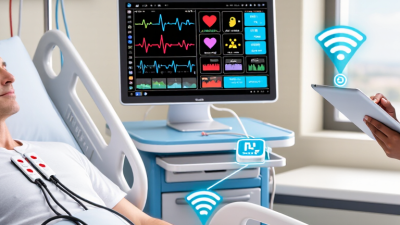
A portable vital signs monitor is only useful if its readings can reach the right person and fit the way care is delivered. Check whether it connects through Wi-Fi, Bluetooth, or a wired network, and confirm that the signal remains stable in the rooms where measurements happen. A dropped connection can leave a clinician looking at yesterday’s numbers. That matters.
Data storage deserves equal attention. Ask how many readings the device keeps when it is offline, how timestamps are recorded, and whether staff can export results in a usable format. Clear patient identification helps prevent readings from being assigned to the wrong record. Review access controls and backup procedures with your clinical or IT team. A large memory is not automatically a safer one; records must also be easy to retrieve and interpret.
Tips: Test the monitor with your existing records system before routine use. Check compatibility with the sensors and cuffs already in use, including connector type and supported measurement ranges. Have staff compare a few readings with an established device under appropriate clinical procedures. Small workflow details can be easy to miss. I would also check how the monitor behaves after a network outage, because real rooms are not always tidy test environments.