What Are the 2026 Top Medical Equipment Repair Services?
In 2026, medical equipment repair is becoming a strategic healthcare priority, not merely a maintenance task. Hospitals depend on ventilators, infusion pumps, imaging systems, and patient monitors every day. A delayed repair can interrupt treatment, extend waiting times, and increase pressure on clinical teams. Small faults matter.
This introduction examines the top medical equipment repair services shaping the sector. It considers technician certification, manufacturer training, response speed, parts traceability, warranty support, and documented safety testing. It also asks a practical question: does a service restore equipment reliably, or only quickly? These are not the same standard.
William Maisel, a respected medical device safety expert and former FDA official, stated, “Servicing is an important part of the total product life cycle of a medical device.” His observation supports a broader view of repair quality. Good service protects performance throughout the equipment’s working life. It also creates records that biomedical teams can review before the next failure.
The comparison will include in-house departments, authorized service providers, and independent specialists. Each model has strengths and weaknesses. Independent providers may respond faster. Authorized teams may offer deeper manufacturer access. In-house engineers often understand local workflows best.
No ranking is perfect. Regional coverage, device complexity, staffing, and budget can change the outcome. A provider that suits a large teaching hospital may not suit a rural clinic. Therefore, this guide focuses on evidence, practical experience, transparent pricing, and measurable reliability. Readers should verify current certifications, service reports, and escalation procedures before choosing a partner.
Definition and Scope of Medical Equipment Repair Services
What Are the 2026 Top Medical Equipment Repair Services?
Definition and Scope of Medical Equipment Repair Services
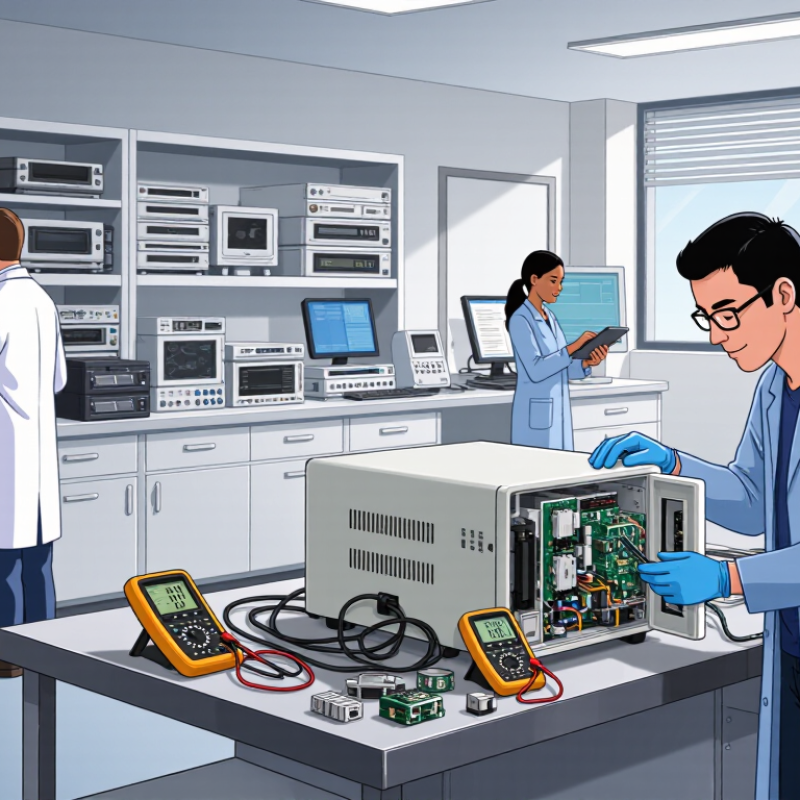
Medical equipment repair services maintain, test, and restore devices used in clinical settings. Their scope covers inspection, fault diagnosis, component replacement, calibration, software checks, and safety verification. These services may support patient monitors, imaging systems, infusion devices, laboratory analyzers, and surgical equipment. The goal is dependable performance, not simply a quick restart.
Experienced technicians begin with the device history and the reported symptom. They inspect cables, connectors, alarms, batteries, sensors, and internal assemblies. A repair may require electrical testing, mechanical adjustment, or controlled software updates. Calibration uses traceable instruments and documented procedures.
Safety comes first.
Technicians should record the fault, parts used, test results, and return-to-service decision. Clear records matter.
Top services in 2026 will likely combine technical skill with disciplined communication. Qualified teams understand manufacturer specifications, clinical workflows, risk controls, and applicable maintenance requirements. They explain downtime honestly and identify recurring faults instead of hiding them.
I have seen a device pass a basic power test while producing unstable readings later. That mistake is easy to miss. No checklist is flawless. Independent verification, staff feedback, and scheduled preventive maintenance can reveal problems that a single repair visit cannot. Reliable providers also protect patient data during diagnostics and limit access to authorized personnel.
Key Factors Shaping the 2026 Medical Repair Services Market
What Are the 2026 Top Medical Equipment Repair Services?
Key Factors Shaping the 2026 Medical Repair Services Market
In 2026, leading repair services will cover patient monitors, imaging systems, anesthesia units, surgical tools, and laboratory analyzers. Their value depends on more than fast response times. Skilled technicians inspect fault histories, test safety functions, and document every replaced component. A repair cart should contain calibrated meters, approved tools, and traceable parts. Small details matter.
Cybersecurity will shape service contracts more strongly. Connected devices can store patient data and communicate with hospital networks. Repair teams must control access, protect diagnostic files, and record software changes. Remote diagnostics can reduce downtime, but hospitals still need secure authentication and clear escalation rules. Convenience has limits. Reliable providers will combine remote checks with physical verification and post-repair testing.
Hospitals will also compare preventive maintenance, emergency response, training, and total ownership costs. A low hourly rate may hide travel charges, repeated failures, or unavailable parts. Service agreements should define response windows, loaner equipment, calibration evidence, and technician qualifications. Independent audits and transparent service reports support trust. However, no repair model is flawless. Predictive alerts can miss intermittent faults, especially after heavy daily use. Technicians may also recommend replacement too early when a careful repair remains practical. Managers should review failure trends, user feedback, and repair outcomes before changing contracts. A quiet alarm screen, a loose cable, or a delayed test result can reveal more than a polished performance report.
Top Types of Medical Equipment Repair Services in 2026
Medical equipment repair services in 2026 cover several specialized needs.
Preventive maintenance remains the foundation, with technicians inspecting cables, alarms, batteries, seals, and moving parts. They also verify performance against documented specifications.
Small faults often become expensive failures when ignored.
Corrective repair addresses equipment that stops working or gives inconsistent readings. Common examples include patient monitors, infusion devices, sterilization units, imaging systems, and respiratory equipment.
Electrical safety testing can identify insulation damage, grounding problems, or unstable power supplies. Calibration services are equally important for devices that measure pressure, temperature, oxygen levels, or patient weight.
A repair is not complete when the screen turns on. The readings must remain dependable.
On-site service reduces transport delays, while workshop repair suits complex internal damage. Emergency response may restore critical equipment quickly, but speed should not replace proper testing.
Skilled biomedical technicians review service histories, replace approved components, and record every adjustment.
They should also explain recurring faults to clinical staff in clear language.
A useful inspection includes the room environment, not just the device. Dust, heat, moisture, and poor cable placement can shorten equipment life.
No repair plan is flawless.
I have seen teams overlook user habits, even after replacing the same part twice. That weakness deserves review.
Reliable providers therefore combine technical repair, safety checks, staff feedback, and follow-up monitoring.
Standards for Evaluating Medical Equipment Repair Providers
What Are the 2026 Top Medical Equipment Repair Services?
A reliable repair provider should be judged by evidence, not promises. WHO’s Global Atlas of Medical Devices reports that 70–80% of equipment in low- and middle-income settings is donated, often without maintenance planning. That finding makes service continuity essential. Providers should show documented training, equipment-specific experience, and access to calibrated test instruments. ISO 13485-based quality systems can strengthen traceability, while IEC 60601 testing supports electrical safety after repair. Ask for sample service records. Vague answers deserve caution.
Response time matters, but it is not the only measure. A strong provider records the fault, replaced parts, test results, software version, and final user approval. These details support audits and safer clinical decisions. The FDA’s Medical Device Reporting program recorded more than two million device reports in 2023, although reports do not always prove that a repair caused harm. Still, the volume shows why incident review and escalation procedures matter. Cybersecurity checks should cover connected devices, remote access, passwords, and unsupported software. Sometimes, the oldest cable is the real problem.
Transparent pricing is another standard. Quotes should separate labor, parts, travel, calibration, and emergency charges. Providers should explain whether replacement parts are original, refurbished, or equivalent. Service-level agreements need measurable targets, such as four-hour response and 24-hour reporting. A low invoice can hide repeated downtime. No checklist catches everything. Facilities should review failure trends quarterly and challenge their own assumptions. Experience helps, but disciplined documentation proves it.
What Are the 2026 Top Medical Equipment Repair Services?
Standards for Evaluating Medical Equipment Repair Providers
This 100-point evaluation framework emphasizes patient safety, regulatory compliance, technical capability, service reliability, calibration traceability, parts management, and cybersecurity. The weighting is an assessment model rather than a mandatory regulatory formula. Reviewers should verify documented evidence such as quality-system records, technician qualifications, calibration certificates, service reports, response-time data, and equipment cybersecurity controls.
Choosing the Right Repair Service for Healthcare Facilities
Choosing a medical equipment repair service in 2026 requires more than comparing hourly rates. Healthcare facilities need documented competence, rapid response, and safe repair processes. The WHO’s Medical Equipment Maintenance Programme: Overview reports that 50–80% of medical equipment may be nonfunctional in some low- and middle-income settings. That figure shows why planned maintenance matters.
Ask whether technicians hold relevant credentials and understand device-specific service manuals. Request sample calibration records, parts traceability, and escalation procedures. A reliable provider should explain response times for ventilators, infusion pumps, and patient monitors. It should also document every inspection, replaced component, and safety test. Small details matter.
Cybersecurity now belongs in the repair conversation. IBM’s Cost of a Data Breach Report 2024 placed the average healthcare breach cost at 9.77 million dollars. Connected equipment can expose networks when technicians use poorly controlled laptops or unverified software. Require access controls, secure data handling, and clear software-update practices. ECRI’s 2025 Top 10 Health Technology Hazards also highlights risks linked to connected systems and alarm management. Ask difficult questions.
A low quote can hide delays or weak documentation. I have seen maintenance decisions focus too heavily on price. That approach needs reconsideration. Choose the service that protects uptime, patient safety, compliance records, and staff confidence. Each facility should review performance quarterly, using repair completion time, repeat failures, and overdue preventive tasks. Repair quality is measurable.