2026 Best Medical Equipment Repair Companies Worldwide

Hospitals and clinics depend on medical equipment that works when patients need it. A delayed repair can disrupt appointments, complicate care, and leave staff adjusting their routines. Choosing a service provider is therefore more than comparing prices. It means weighing technical expertise, documented maintenance practices, parts availability, and realistic response times.

This guide examines medical equipment repair companies operating across different regions in 2026. It considers the types of devices they support, their service coverage, and how clearly they explain inspection, repair, and calibration processes. Details matter. A provider’s experience with imaging systems may not extend to laboratory analyzers or patient monitors. Buyers should verify current capabilities directly, since teams, coverage areas, and service agreements can change.

The comparison also looks at practical questions: Are service records easy to obtain? Are technicians’ qualifications and training explained? Can customers understand what a quoted repair includes? These checks help readers assess providers without treating a ranking as a guarantee of fit. A low quote can be attractive, but unclear timelines or limited parts access may add costs and downtime later. No list is perfect. Company information can be incomplete, and local support may differ from global claims. Use the overview as a starting point, then confirm requirements with each provider and your facility’s technical team.
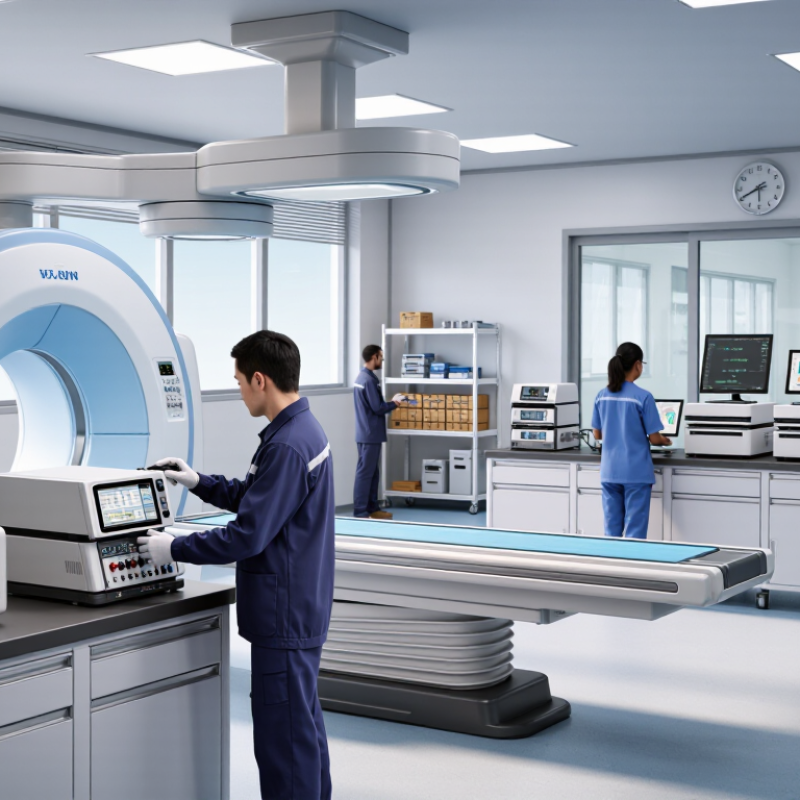
2026 Best Medical Equipment Repair Companies Worldwide

Scope and Role of Medical Equipment Repair Companies

Medical equipment repair companies help hospitals, clinics, and diagnostic centers keep devices dependable throughout their working lives. Their scope can include inspections, preventive maintenance, fault diagnosis, component replacement, calibration, and post-repair testing. A technician might check a loose connector, inspect a power cable, then compare readings with documented performance limits. Small details matter. A drifting measurement or intermittent alarm can disrupt care, even when a device still powers on. Providers also maintain service records, parts histories, and recommendations for equipment nearing the end of its service life. Good documentation helps clinical engineering teams spot recurring faults, plan budgets, and reduce avoidable downtime.

The role extends beyond fixing individual machines. Repair teams may prioritize work by clinical urgency, coordinate loaner equipment, and explain whether a device is ready to return to service. They should use trained personnel, suitable test equipment, controlled procedures, and transparent reports. For sensitive devices, calibration results and electrical safety checks need careful review, not a quick signature. Response time matters, but speed alone is not quality. A rushed repair can create new uncertainty. Still, no service plan is perfect. Parts may be delayed, faults can recur, and older equipment may need replacement instead of another repair. Reliable providers make these limits clear and offer practical options without promising that every failure can be prevented.
Core Repair, Maintenance, and Calibration Services

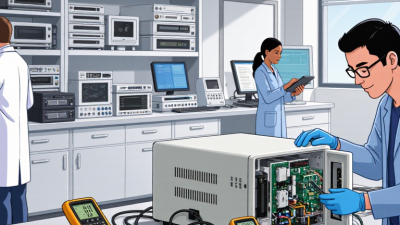
For a 2026 worldwide comparison of medical equipment repair providers, look beyond response speed. A dependable service covers corrective repair, scheduled maintenance, and calibration, with records linking each device to its work history. Technicians should document the reported fault, parts replaced, safety checks, and return-to-service decision. Calibration records should show results against stated tolerances, not just a “pass” label. Small details matter. A loose connector or drifting sensor can disrupt a busy clinic, even when the device still powers on.

The World Health Organization’s 2017 Global Atlas of Medical Devices compiled information from 140 Member States, illustrating the broad scale and varied maturity of medical-device management worldwide. WHO’s Medical Equipment Maintenance Programme Overview also describes inspection, preventive maintenance, and corrective maintenance as core programme activities.

These reports support a practical question for buyers: can a provider show consistent procedures and traceable records across sites? Ask how it prioritizes high-risk devices, handles repeat faults, and verifies performance after repair. Still, paperwork alone proves little. A checklist may miss a recurring problem, and service intervals sometimes need review against actual use. A clear escalation path helps teams respond when equipment behaves differently than expected.

How to Evaluate Medical Equipment Repair Providers

2026 Best Medical Equipment Repair Companies Worldwide

How to Evaluate Medical Equipment Repair Providers

Evaluate the service process, not polished promises. The FDA’s 2018 report on medical-device servicing found no evidence that independent servicing itself posed a public-health concern. That makes provider-specific controls worth examining. Ask how technicians document faults, parts, tests, and return-to-service decisions.

Paperwork matters. WHO’s 2011 guidance on medical equipment maintenance recommends equipment inventories, safety inspections, performance checks, and preventive maintenance. A provider should be able to show these practices in sample records, not just describe them.

Check technician training against the equipment types in your facility, then verify response targets, escalation paths, and access to service histories. Ask for a completed report showing serial number, fault found, repair performed, and measured test results.

Ask for proof. For a repaired infusion pump, for example, request the post-repair flow and alarm test readings, plus the criteria used to release it. Compare quoted turnaround times with actual performance over several months; one fast repair proves little.

Also clarify whether calibration is included or handled separately, and how replacement parts are traced. No scorecard is perfect. Staff may still struggle to compare providers when equipment is old or records are incomplete. State those gaps plainly, and use the same questions for every bidder.

Leading Medical Equipment Repair Companies Worldwide in 2026

In 2026, leading medical equipment repair companies worldwide are judged by more than their geographic reach. Strong providers support hospitals, clinics, and diagnostic centers with trained technicians, documented service procedures, and access to suitable replacement parts. Their work may cover imaging systems, patient monitors, laboratory instruments, and other essential devices. Response times matter, but so do clear repair records and careful testing before equipment returns to service. Downtime has consequences.

A dependable service partner explains what failed, what was repaired, and what checks were completed. It should also communicate realistic timelines and help facilities plan preventive maintenance. Global coverage can be valuable for healthcare networks, though local technician availability and parts logistics still shape the actual experience. No provider is flawless. A polished service report cannot always prevent a delayed part or a repeat fault, so performance should be reviewed over time.

Tips: Before selecting a repair company, ask about technician training, service coverage, documentation, and escalation procedures. Request sample maintenance records and clarify how urgent calls are handled. Compare response commitments with your facility’s needs, not just advertised coverage. Keep track of repeat repairs and equipment downtime. Those details can reveal gaps that a sales presentation may miss.

Industry Trends and Challenges in 2026

Medical equipment repair in 2026 is shaped by connected devices, aging infrastructure, and pressure to reduce downtime. Remote diagnostics can flag unusual readings before a device fails. But a warning is only useful when technicians can verify it against inspection results and service records. That matters.

Repair teams also face more complex software and cybersecurity requirements. A replacement component may fit physically yet require careful configuration and performance checks. Clear calibration records help hospitals understand what was tested, when, and by whom. Not always simple.

Parts availability remains uneven across regions. Delayed components can keep imaging systems or patient monitors out of service, even when local technicians are ready. Repair providers are responding with better inventory planning and more transparent estimates of lead times. These measures help, but they cannot remove every supply-chain delay.

The workforce challenge is just as practical. Technicians need training in electronics, software, and device-specific safety procedures, while experienced staff are difficult to replace quickly. Providers should make room for supervised hands-on practice, not only online courses. A checklist helps, but it cannot replace sound judgment. Service quality also depends on honest communication: hospitals need to know when a repair is uncertain, when further testing is needed, and what remains unresolved.