Why Choose Medical Syringes for Global Procurement?
Global healthcare systems administer billions of injections every year. The World Health Organization estimates that roughly 16 billion injections are given annually, with most supporting therapeutic care. This scale makes Medical Syringe procurement a clinical and operational decision, not merely a purchasing exercise.
A reliable syringe must support accurate dosing, smooth plunger movement, clear graduation marks, and dependable sterility. These details matter beside a crowded vaccination table or inside a rural clinic with limited supplies. WHO injection-safety guidance emphasizes appropriate equipment, safe disposal, and trained handling. Meanwhile, Fortune Business Insights reports continued growth in the global syringes market, driven by vaccination programs, chronic disease treatment, and hospital demand.
Quality comes first.
Global buyers also need traceability, stable packaging, and consistent specifications across regions. Procurement teams should examine ISO compliance, batch documentation, delivery performance, and compatibility with needles or infusion systems. A low unit price may appear efficient. It can become expensive when defects create waste, delays, or repeated procedures.
The argument is not flawless. Forecasts differ, and market reports cannot capture every local supply challenge. Still, they reveal a clear procurement pressure: healthcare providers need dependable products at scale. Medical syringe expert Mark Prausnitz has observed, “The needle is the most hated part of the injection.” His comment highlights a practical truth. Patient comfort, clinician control, and product reliability are connected.
For global procurement, the strongest choice balances safety, usability, compliance, and total cost. Not price alone.
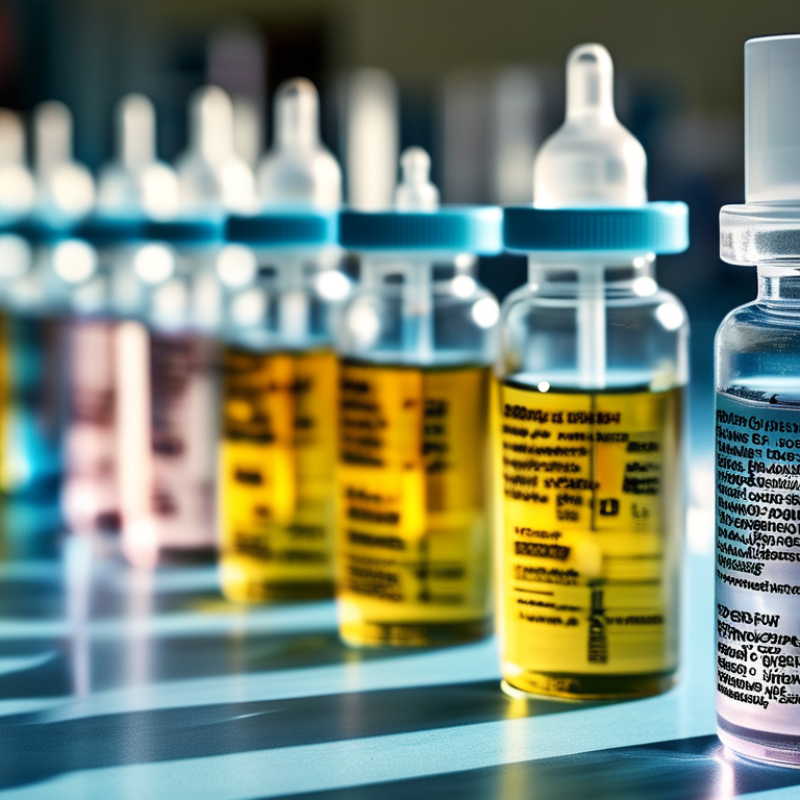
Medical syringes are sterile, graduated devices used to draw, measure, and deliver fluids. They usually include a barrel, plunger, and needle. Some models use detachable needles, while others are supplied as integrated units. Small 1 mL syringes support precise pediatric or insulin dosing. Larger sizes suit irrigation, fluid administration, or medication preparation.
Global buyers should examine sterility, material compatibility, dead-space volume, packaging integrity, and traceability. ISO 7886-1 provides requirements for sterile, single-use syringes. WHO and UNICEF procurement guidance also emphasizes quality assurance, reliable supply, and suitable packaging for transport. Still, standards do not remove every risk. A syringe may pass inspection yet feel awkward in a busy clinic. Field feedback matters.
Procurement teams should test samples with real users. Ask whether the scale is readable. Check whether cartons tolerate humid storage. These details are easy to overlook. They can affect medication waste, staff confidence, and patient safety across thousands of facilities.

Global procurement of medical syringes must begin with safety, not price. A low unit cost means little if leakage, breakage, or unclear graduations disrupt treatment.
The World Health Organization estimated in 2010 that unsafe injections caused 1.67 million hepatitis B infections, 315,000 hepatitis C infections, and 33,000 HIV infections annually. These figures remain a serious warning.
Buyers should verify compliance with ISO 7886-1 for sterile, single-use syringes and ISO 7864 for hypodermic needles. Check barrel clarity, plunger movement, dose accuracy, dead space, and connection security. Small defects become visible risks beside a filled syringe.
Sterilization evidence also needs careful review. Suppliers should provide validated process records under ISO 11135 for ethylene oxide or ISO 11137 for radiation sterilization. Packaging should remain sealed after transport simulation, not only after factory inspection.
ISO 10993 testing can support biocompatibility assessment, but documentation must match the actual materials and configuration. Lot numbers, production dates, inspection records, and certificates should remain traceable. A certificate alone is not proof of consistent quality.
Procurement teams should sample products independently and inspect random cartons. This costs time, yet it can reveal bent needles, inconsistent markings, or damaged seals. Standards guide decisions; they do not replace practical judgment.
Medical syringes support consistent clinical procedures across different healthcare systems. Their standardized barrels, readable graduations, and controlled plunger movement help reduce measurement errors during routine care. In global procurement, consistent specifications also simplify staff training and inventory planning. A procurement team can compare needle sizes, sterile packaging, materials, and connection types more clearly.
Safety depends on more than the syringe itself. Reliable suppliers should provide batch records, sterilization information, expiration dates, and documented quality controls. These details strengthen traceability when products move through several countries. Individual packaging can protect sterility during transport, while durable cartons reduce damage in warehouses. However, packaging must match local storage conditions. Excessive heat, humidity, or poor handling can still affect product integrity.
Cost efficiency is another practical benefit. Standardized syringes can reduce purchasing complexity and limit the number of items held in stock. Yet the lowest price is not always the best value. A cheaper product may create hidden costs through leakage, unclear markings, or inconsistent fit with compatible devices. Procurement decisions should consider performance testing, delivery reliability, regulatory documentation, and disposal requirements. Standards do not remove every risk. Local clinical feedback remains necessary, and specifications may need revision after real-world use. Small details matter.
Why Choose Medical Syringes for Global Procurement?
Global syringe procurement is not won by the lowest unit quotation. A practical evaluation starts with product fit, supplier evidence, and delivery resilience. WHO and UNICEF reported 14.5 million zero-dose children in 2023. That figure signals continuing vaccine demand, but it cannot predict every regional order. Forecasts remain imperfect. Buyers should map syringe type, volume, needle compatibility, sterile-packaging needs, and monthly safety stock. Ask for batch-level traceability, sterilization validation, ISO 13485 certification, and recent complaint data. A certificate alone is not proof.
Cost analysis should include freight, inspection, storage, expiry risk, and emergency replacement. Compare landed costs at several order sizes, not one spreadsheet cell. The World Bank’s 2023 Logistics Performance Index covered 139 economies and assessed customs, tracking, infrastructure, and timeliness. Use these dimensions when testing supplier routes. Require forecast reviews, dual production capacity, documented change control, and transparent delay notices. Keep samples from approved lots where feasible, then inspect cartons for crushed corners, wet labels, or broken seals. Small defects matter. Procurement teams may overestimate safety stock or underestimate port delays. A quarterly scenario test should model demand spikes, rejected lots, and six-week transit disruptions. Reliability is measurable, but never perfectly guaranteed.
| Evaluation Dimension | Procurement Benchmark | Data to Verify | Why It Matters |
|---|---|---|---|
| Product Configuration | Common global-use sizes include 1 mL, 3 mL, 5 mL, and 10 mL. Luer-lock and slip-tip connections should be specified separately. | Nominal volume, graduation interval, dead space, tip type, needle gauge, needle length, and individual packaging format. | A precise specification prevents substitutions that may affect clinical use, dosing accuracy, or compatibility. |
| Applicable Standards | Single-use hypodermic syringes should be assessed against ISO 7886-1. Insulin syringes are commonly assessed against ISO 8537. | Current certificates, test reports, technical files, and a clear statement of the exact product models covered. | A certificate is useful only when its scope matches the syringe design and intended market. |
| Sterility Assurance | Sterile, single-use products require a validated sterilization process and documented sterile-barrier integrity. | Sterilization method, validation summary, biological-indicator controls, packaging integrity tests, and shelf-life evidence. | Sterility failures create patient-safety risks, recalls, and import or regulatory delays. |
| Regulatory Readiness | The supplier should support the registration and import requirements of each destination country. | Quality-management certification, product registration status, declaration of conformity, labeling files, and post-market procedures. | Regulatory readiness reduces the risk of customs holds and market-entry delays. |
| Indicative Unit Cost | For planning only, basic sterile syringes may range approximately from US$0.03–0.12 per unit; needle-attached configurations commonly cost more. | Incoterm, order quantity, needle specification, packaging, sterilization, tooling, freight, duties, and payment terms. | The lowest factory price may not be the lowest landed cost after logistics and compliance expenses. |
| Minimum Order Quantity | Standard products generally support lower MOQs than customized colors, labels, packaging, or special graduations. | MOQ by product size, packaging level, artwork, needle configuration, and purchase order. | MOQ alignment helps avoid excess inventory, expiry losses, and unnecessary working-capital costs. |
| Production Lead Time | A practical planning range is approximately 4–12 weeks after approval, depending on stock status, quantity, customization, and sterilization capacity. | Historical on-time delivery records, capacity bookings, production schedule, and agreed dispatch date. | Lead-time visibility supports inventory planning and reduces emergency purchases. |
| Quality Consistency | Critical checks should include leakage, plunger movement, graduation accuracy, needle attachment, particulate contamination, and packaging integrity. | Pre-shipment inspection plan, batch release records, retained samples, complaint rate, and corrective-action history. | Consistent quality lowers rejection, replacement, and clinical-disruption costs. |
| Supply Reliability | A strong supplier should demonstrate stable delivery performance, documented contingency plans, and access to alternative critical materials. | Past 12-month on-time-in-full rate, capacity utilization, safety-stock policy, backup suppliers, and business-continuity plan. | Reliability is essential for hospitals, public-health programs, and recurring international tenders. |
| Packaging and Shelf Life | Packaging should protect sterility during transport and storage. Shelf life must be confirmed for the exact product and packaging configuration. | Shelf-life period, storage conditions, carton dimensions, pallet configuration, humidity protection, and transport testing. | Appropriate packaging reduces transit damage and improves warehouse efficiency. |
| Logistics and Landed Cost | Compare total landed cost rather than unit price: product, inspection, freight, insurance, duties, customs clearance, and local delivery. | Commercial invoice, packing list, HS classification, freight quotation, Incoterm, insurance terms, and destination charges. | A transparent cost model enables fair comparison across international supply options. |
| Recommended Evaluation Weight | Quality and regulatory compliance: 30%; supply reliability: 25%; total landed cost: 20%; lead time and logistics: 15%; service and documentation: 10%. | Adjust the weighting according to clinical risk, emergency demand, tender conditions, and destination-country requirements. | A weighted score prevents price alone from determining a safety-critical procurement decision. |
Note: Cost and lead-time figures are indicative procurement-planning ranges. Final values depend on product configuration, order volume, destination market, regulatory requirements, and shipping conditions.
Global procurement of medical syringes often looks simple. It is not. WHO and UNICEF warned in 2021 that COVID-19 vaccination could require up to two billion additional syringes. That surge exposed familiar weaknesses: unreliable forecasts, uneven quality controls, and limited regional supply. Procurement teams must define volume, syringe type, needle size, sterility, packaging, and delivery windows before requesting quotations. Small omissions create costly delays.
Quality verification
Quality verification should follow recognized requirements, including ISO 7886 for sterile, single-use syringes. Buyers should request independent test reports, batch records, sterilization evidence, and samples from production lots. UNICEF Supply Division market updates also show why lead-time planning matters during large immunization campaigns. A safer approach combines framework agreements, approved alternative specifications, and buffer stock near major health facilities. Keep the buffer realistic.
Logistics create another challenge. Cartons may arrive intact, while inner packaging suffers heat, moisture, or compression damage. Warehouses need documented receiving checks and traceable batch records. Digital inventory tools can flag unusual consumption before shelves become empty. However, technology does not replace trained staff. Forecasts still miss rural demand, emergency campaigns, and changes in clinical practice. A spreadsheet can look precise and remain wrong. Monthly reviews with clinicians, warehouse teams, and distributors improve decisions, even when the process feels slower. WHO guidance also emphasizes safe injection practices, making staff training and disposal planning essential parts of procurement, not optional additions.
©2026Infinium Medical
Adding {{itemName}} to cart
Added {{itemName}} to cart