2026 Top Reclining Wheelchairs Features and Benefits to Consider?
Choosing the right Reclining Wheelchair can significantly enhance comfort and accessibility for users. In 2026, innovative features are reshaping the market. When selecting a reclining wheelchair, consider key factors that ensure adequate support and ease of use.
One prominent feature is adjustable reclining angles. This allows users to find their ideal position for relaxation or rest. Look for models with options for leg elevation. It can greatly aid circulation during prolonged sitting. Additionally, materials used in the wheelchair matter. Lightweight yet durable materials ensure mobility without compromising strength.
Another consideration is portability. A lightweight design can make transportation easier, but it shouldn’t sacrifice stability. Some wheelchairs fold for convenient storage—an essential feature for many users. It's also important to examine the safety aspects. Quality braking systems and sturdy frames enhance user confidence. Ultimately, the best reclining wheelchair is one that balances comfort, adaptability, and safety without overwhelming features that complicate use.
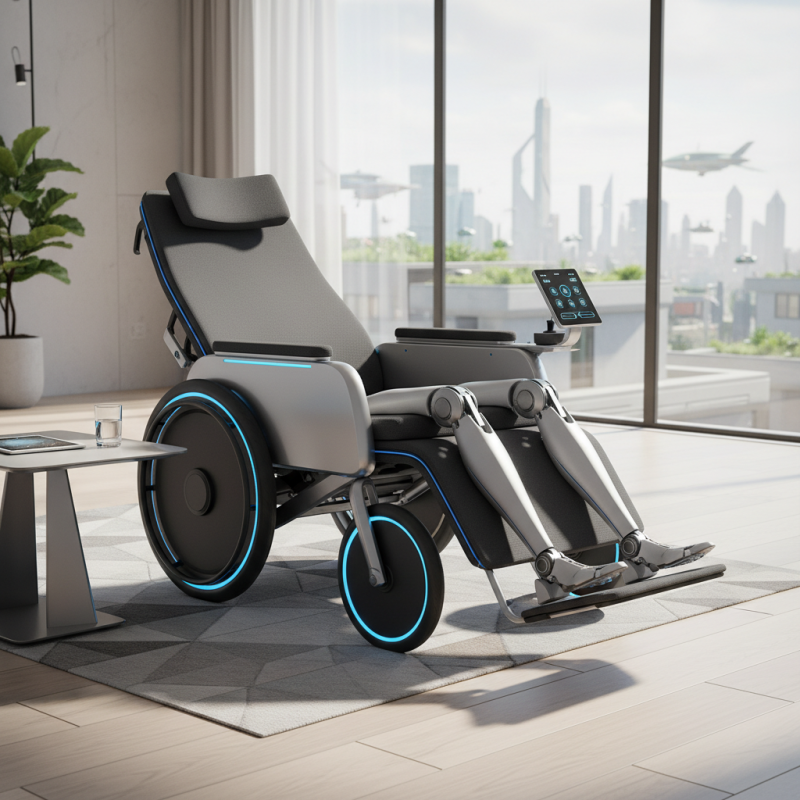
Top Features to Look for in 2026 Reclining Wheelchairs
When considering reclining wheelchairs in 2026, several features stand out. Comfort is the foremost consideration. Many users report improved well-being when seated for long durations. Cushioned seats and adjustable backrests can enhance this experience. According to recent industry reports, 72% of users prefer wheelchairs that offer customizable seating options.
Another essential feature is weight adaptability. A wheelchair that can support different weights often provides better durability. Data shows that lightweight materials can also improve maneuverability and ease for caregivers. Look for models that offer a robust yet lightweight frame for optimal functionality.
Tip: Always check the recline range. A good reclining angle can minimize pressure sores. Seek out designs that promote circulation.
Accessibility is also crucial. The best models should include easy-to-operate controls and user-friendly designs. Some users struggle with complicated mechanisms. A straightforward system encourages independence. Additionally, consider models with modular components for easy repair or customization.
Tip: Test the wheelchair before purchasing. Comfort and ease of use can vary greatly among designs. Proper fit can make a significant difference in daily life.
Benefits of Reclining Wheelchairs for User Comfort and Health
Reclining wheelchairs offer unique benefits that prioritize user comfort and health. A reclining feature allows users to shift positions easily. This can relieve pressure points and reduce the risk of pressure sores. For those with limited mobility, this adjustment can feel liberating. It helps users maintain circulation and promotes better overall health.
Comfort is crucial for anyone using a wheelchair. The option to recline encourages relaxation. It can alleviate back pain and enhance comfort during long periods of sitting. Many users report feeling more at ease when they can adjust their position. However, it’s essential to note that not all designs provide adequate support. Many wheelchairs lack enough lumbar support when reclined.
Additionally, reclining can make daily activities more manageable. Users can enjoy conversations or meals without straining. This encourages social interaction and mental well-being. Yet, some may find it challenging to transition between positions. Exploring various models may highlight potential drawbacks. It’s vital to consider individual needs in this process.
2026 Top Reclining Wheelchairs Features and Benefits to Consider
| Feature | Description | Benefits |
| Adjustable Recline Angle | Allows user to change the backrest angle for optimal comfort. | Enhances relaxation and reduces pressure sores. |
| Lumbar Support | Offers additional support for the lower back. | Promotes proper posture and alleviates back pain. |
| Footrests | Adjustable and detachable footrests to accommodate user needs. | Improves circulation and comfort during use. |
| Wider Seat Dimensions | Increases seating area for broader user comfort. | Reduces the risk of pressure ulcers and increases stability. |
| Easy Maneuverability | Designed with lightweight materials and responsive wheels. | Facilitates better access in tight spaces and enhances independence. |
| Padded Armrests | Soft armrests for increased support and comfort. | Provides rest for arms and reduces fatigue during extended use. |
Comparative Analysis of Manual vs. Electric Reclining Wheelchairs
When choosing between manual and electric reclining wheelchairs, several factors come into play. Manual wheelchairs require physical effort. They help users maintain their strength and engage with their surroundings. These chairs are often lighter and easier to transport. However, they can be tiring for longer use. According to a study by the National Institute of Health, many users report fatigue after just an hour of manual operation.
Electric reclining wheelchairs offer convenience. They feature power controls that allow users to recline with ease. This can be especially beneficial for those with limited upper body strength. A report from the World Health Organization indicates that 30% of users prefer electric options for their comfort and independence. However, these chairs can be cumbersome in tight spaces. They may present challenges during transport as well.
Both types have pros and cons. Manual chairs can empower but might lead to exhaustion. Electric options improve comfort but can lack portability. Users may struggle to find the right balance. Personal preferences play a significant role in this decision-making process. Each user must consider their own needs and lifestyle when choosing a reclining wheelchair.
Key Safety Features to Consider in Reclining Wheelchairs
When considering a reclining wheelchair, safety is paramount. Many features contribute to a secure and comfortable experience. Look for wheelchairs with built-in seat belts. These can provide stability during movement. Anti-tippers are another important feature. They help prevent the wheelchair from tipping over, especially on steep surfaces.
Think about the material of the frame. A lightweight yet sturdy frame can enhance safety. It’s easier to maneuver and control. Also, check the wheelchair's brakes. Reliable brakes are essential to stop quickly when needed. The braking system should be easy to use and access.
Tips: Regularly inspect your wheelchair for wear and tear. It’s easy to overlook. Ensure all components function properly. Furthermore, test the wheelchair’s reclining mechanism from time to time. If it feels stiff, it might need maintenance. This attention can prevent accidents.
Innovative Technologies Enhancing 2026 Reclining Wheelchair Designs
Innovative technologies are shaping the future of reclining wheelchairs in 2026. These advancements aim to enhance user comfort and mobility. According to recent industry reports, about 70% of users prefer wheelchairs with adjustable features. This statistic highlights the demand for customizable seating positions that cater to individual needs.
Smart technologies are also emerging in wheelchair designs. For instance, some models now include integrated sensors that track user posture and detect discomfort. This data can prompt adjustments to improve overall care. Additionally, advancements in lightweight materials have made these wheelchairs more maneuverable. Yet, not all designs achieve the desired balance of durability and weight. Feedback from users suggests that some models still feel bulky and difficult to transport.
Battery life remains a key concern as well. Many 2026 models feature longer-lasting batteries, yet users often report varied experiences. While some electric reclining wheelchairs offer impressive ranges, others fail to meet expectations. This inconsistency indicates a need for refinement in battery technology. Adjustments must focus on reliability as users seek autonomy without frequent recharging. The evolution continues, but challenges remind us of the ongoing journey towards optimal wheelchair design.