Top Sleep Monitoring Technology Tips for Better Sleep Quality?
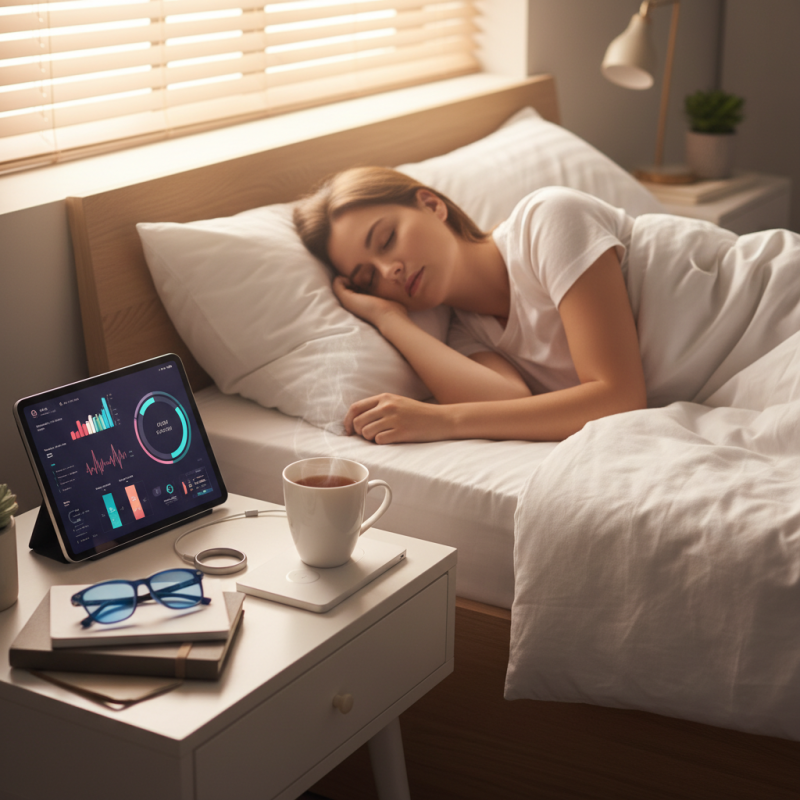
In today's fast-paced world, many people struggle with sleep quality. Sleep Monitoring Technology has emerged as a powerful tool to help individuals understand their sleeping patterns. By using devices that track sleep metrics, individuals can gain insights into their rest and recovery.
These technologies offer data on sleep duration, disturbances, and even the quality of sleep cycles. However, relying solely on this technology may not be enough. It is essential to reflect on how lifestyle choices impact sleep. For instance, excessive screen time before bed can sabotage the benefits of sleep monitoring.
The challenge lies not in just observing data but in acting on it. Individuals must evaluate their habits to improve sleep quality. Integrating technology with mindful practices is key. Balancing innovation with traditional methods can lead to a significant enhancement in sleep health.
Understanding Sleep Monitoring Technology: An Overview
Sleep monitoring technology has rapidly evolved, providing insights into sleep patterns and overall health. Studies show that approximately 33% of adults face sleep disorders. This highlights the importance of understanding these technologies. They range from wearable devices to smartphone apps and advanced sleep trackers, which use sensors to monitor heart rate, movement, and even breathing.
Many people still underestimate how these tools can impact their sleep quality. Data from the CDC shows that insufficient sleep is linked to numerous health issues, like obesity and depression. By utilizing sleep monitoring technology, individuals can identify patterns that may disrupt their rest. For instance, some users discover that late caffeine consumption affects their sleep stages significantly.
Utilizing sleep data can lead to better sleep hygiene practices. However, over-reliance on technology might lead to anxiety about sleep. The pressure to achieve perfect sleep based on data can be counterproductive. Finding a balance is crucial. Engaging with sleep monitoring tools should complement personal reflections on wellness rather than dominate them.
Key Features to Look for in Sleep Tracking Devices
When choosing a sleep tracking device, focus on essential features that enhance your sleep quality. Look for accurate monitoring of sleep stages, like REM and deep sleep. A device that records heart rate variability and breathing patterns can provide deeper insights. Comfort is vital too; a wearable should be discreet yet effective, avoiding disruption during your night’s rest.
Emphasizing personalization, some trackers allow customization of sleep goals and bedtime routines. This feature can be particularly helpful for users who struggle with consistent sleep patterns. Sleep data should be available in an easy-to-read format for effortless tracking and reflection.
To improve your overall experience, consider these tips: create a sleep-conducive environment, set a consistent bedtime, and limit blue light exposure before sleeping. Be mindful that relying solely on technology may distract from fundamental relaxation techniques. Ultimately, balance between tech use and natural sleep habits remains key to achieving better sleep quality.
How to Use Sleep Data for Improving Sleep Quality
Sleep data can be an invaluable tool for enhancing sleep quality. By analyzing your sleep patterns, you can identify areas for improvement. Recording your nightly routine helps you see trends and make necessary adjustments. For example, if you notice that late caffeine consumption affects your sleep, try to limit intake after midday.
A consistent sleep schedule is vital. Use your sleep data to pinpoint your natural bedtime and wake-up time. Small changes can make a big difference. If you struggle with falling asleep, create a relaxing pre-sleep routine. Consider activities like reading or meditating.
Avoid overthinking your sleep quality; perfection is not the goal. Sometimes, variability is normal. Reflect on your daily habits and how they impact your rest. If your data shows irregular patterns, take time to assess lifestyle changes. Understanding these fluctuations can lead to better sleep and improved overall well-being.
Sleep Quality Analysis - Weekly Sleep Data
Integrating Sleep Monitoring with Lifestyle Changes
Integrating sleep monitoring with lifestyle changes can greatly enhance sleep quality. Many people rely on apps and wearable technology to track their sleep patterns. However, without making corresponding lifestyle adjustments, this data can be less effective. Consider establishing a consistent sleep schedule, aiming to go to bed and wake up at the same time daily. This routine can help regulate your body's internal clock.
Nutrition also plays a vital role in sleep quality. Consuming heavy meals or caffeine too close to bedtime can disrupt sleep cycles. Simple changes such as having a light snack or herbal tea might promote better rest. Exercise is another key factor. Regular physical activity can help reduce stress and anxiety, making it easier to fall asleep. But, be mindful of the timing. Intense workouts too close to bedtime might have the opposite effect.
Reflecting on your sleep environment is crucial as well. A bedroom that is too bright or noisy can impact your ability to sleep soundly. Small changes, like blackout curtains or white noise machines, could enhance your sleep experience. Remember, sleep is a personal journey. What works for one may not work for another. Keeping a sleep journal can provide insights and help you discover patterns specific to your needs. It’s a process of trial and error.
Top Sleep Apps and Wearable Devices for Better Rest
Many individuals struggle with sleep quality in today's fast-paced world. Sleep apps and wearable devices have emerged as practical solutions. A report from the Sleep Research Society indicates that over 30% of adults experience sleep disturbances. These tools can help track sleep patterns, making it easier to identify problems.
Wearable devices, such as fitness trackers, monitor heart rate and movement. They provide insights into sleep stages, helping users understand their nightly rest. In fact, studies show that users of sleep tracking devices improve their sleep quality by an average of 20%. Using data from these devices allows for specific adjustments in lifestyle.
However, technology has its drawbacks. Some users may become overly reliant on data, leading to anxiety about sleep. This obsession could create a cycle of worry that hinders restful nights. Balancing technology with mindful relaxation is crucial. Reflection on personal habits can also yield insights that technology may miss. Combining data with self-awareness could be the key to achieving better sleep quality.
Top Sleep Monitoring Technology Tips for Better Sleep Quality
| Device/App | Type | Key Features | Price Range | User Rating |
| Sleep Tracker App | Mobile App | Sleep analysis, alarm clock, sleep score | Free - $9.99 | 4.5/5 |
| Wearable Sleep Band | Wearable Device | Heart rate monitor, activity tracking, sleep stages | $49 - $199 | 4.0/5 |
| Smart Sleep Pillows | Smart Device | Sleep tracking, cooling technology, sound machine | $80 - $250 | 4.3/5 |
| Sleep Monitoring Mattress | Smart Mattress | Sleep tracking, adjustable firmness, temperature control | $900 - $3,000 | 4.6/5 |
| Meditation and Sleep App | Mobile App | Guided meditations, sleep stories, ambient music | Free - $14.99/month | 4.8/5 |