What is a Medical Monitoring Device and How Does It Work?
In today's healthcare landscape, medical monitoring devices play a critical role in patient care. Dr. Laura Green, a leading expert in medical technology, notes, "These devices transform how we track health outcomes." From wearable sensors to remote monitoring systems, these tools offer real-time insights into patient conditions. They empower both patients and providers to make informed decisions.
Medical monitoring devices have evolved significantly. They allow continuous observation of vital signs and can quickly alert healthcare professionals to any concerning changes. This capability fosters proactive management of chronic illnesses, reducing hospital visits and improving quality of life for many patients.
Despite their benefits, challenges remain. Some devices may lack accuracy or face interoperability issues with existing systems. Moreover, the reliance on technology raises questions about data privacy and security. Addressing these problems is essential for maximizing the potential of medical monitoring devices in modern healthcare.
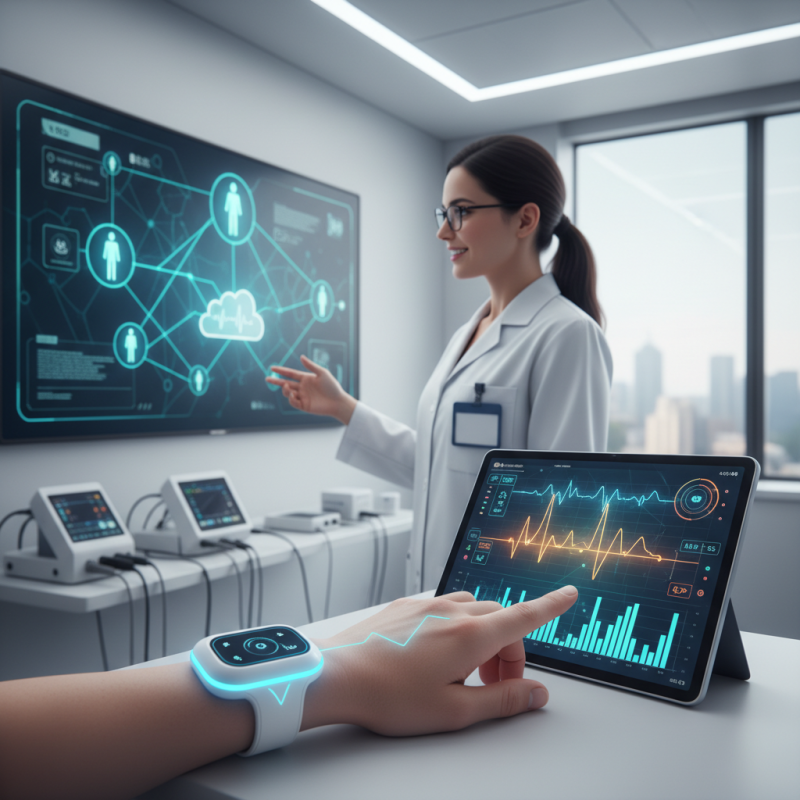
What is a Medical Monitoring Device?
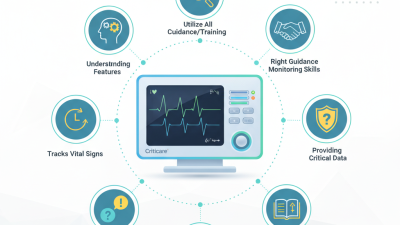
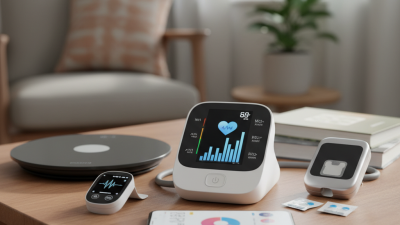
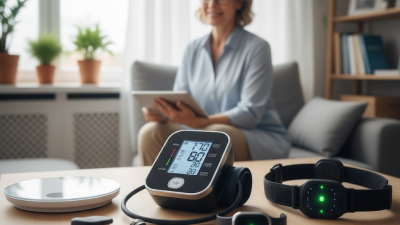
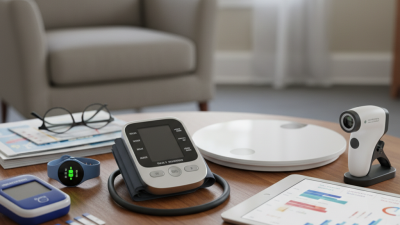
Medical monitoring devices are tools that track health metrics in real-time. They play a crucial role in maintaining patient well-being. These devices often measure vital signs like heart rate, blood pressure, and oxygen saturation. Patients can use them at home or in clinical settings.
The operation of these devices relies on various sensors. For example, a pulse oximeter uses light to measure oxygen levels in the blood. Many devices connect to apps, allowing users to analyze their data. This data can help identify trends or irregularities over time. However, data accuracy can sometimes vary. Users must remain aware of potential errors in readings, prompting a need for regular calibration and checks.
Incorporating these devices into daily health routines can enhance patient awareness. Yet, the reliance on technology raises questions. Are we becoming too dependent on gadgets for our health? It's essential to balance device usage with professional medical advice. This balance ensures that we maintain a comprehensive approach to our health.
Types of Medical Monitoring Devices
Medical monitoring devices play a crucial role in healthcare. These tools help track various health parameters, ensuring timely interventions. There are several types, each serving distinct purposes. Wearable devices, like fitness trackers, monitor heart rate and physical activity. A recent industry report from MarketsandMarkets estimates that the global wearable medical device market will reach $14 billion by 2025, reflecting growing consumer interest in personal health.
Other vital medical monitoring devices include remote patient monitoring systems. These technologies allow healthcare providers to collect patient data from afar. The digital health sector is expected to grow by over 25% annually, driven by the demand for efficient monitoring solutions. Additionally, electrocardiogram (ECG) monitors provide critical insights into heart health, alerting users to any anomalies.
Tips: Ensure devices are used consistently for accurate data. Always review collected data with healthcare professionals. Monitoring can detect issues early, but technology is not infallible. Regular check-ups remain essential. Balancing device reliance with traditional healthcare practices is vital for optimal health management. Remember, technology enhances, but does not replace, professional medical advice.
Types of Medical Monitoring Devices
This bar chart illustrates the number of various types of medical monitoring devices used in hospitals, measured in thousands. Heart rate monitors lead the usage with 150 thousand units, followed by blood pressure monitors and glucose meters, reflecting the essential role of these devices in patient monitoring and care.
How Medical Monitoring Devices Work
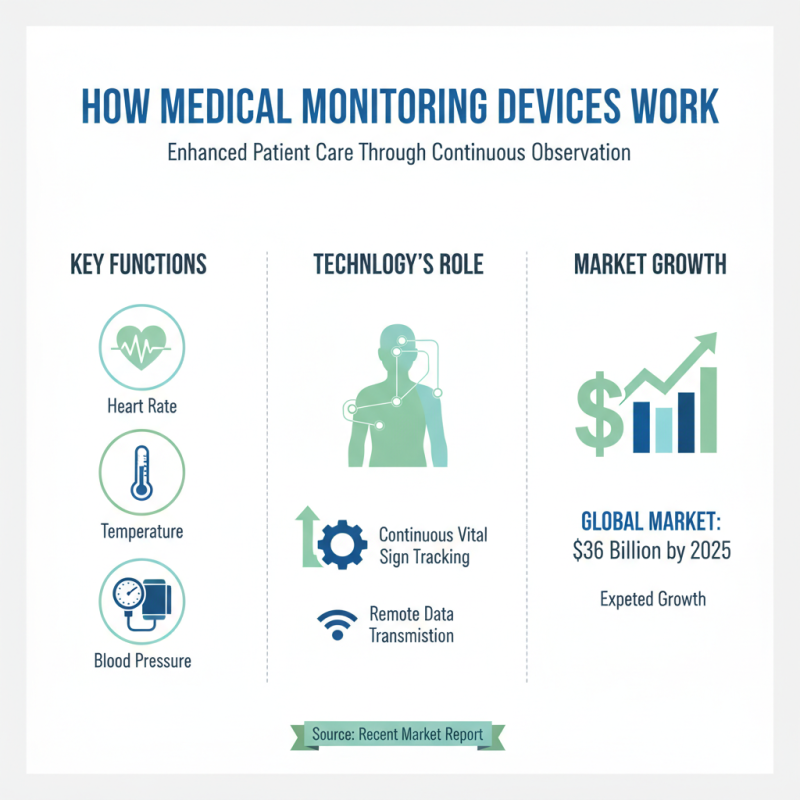
Medical monitoring devices are revolutionizing healthcare by providing continuous observation of patients' vital signs. These devices typically track metrics like heart rate, temperature, and blood pressure. According to a recent market report, the global medical monitoring device market is expected to reach $36 billion by 2025. This growth indicates a significant reliance on technology for enhanced patient care.
These devices operate using sensors and algorithms. Sensors collect data from patients and transmit it wirelessly to healthcare providers. The data is analyzed in real time for anomalies. For instance, wearable heart monitors can alert doctors if a patient's heart rate becomes irregular. The integration of artificial intelligence further improves the accuracy of these analyses. However, data privacy remains a persistent concern.
Despite the advancements, limitations exist. Not all medical monitoring devices provide 100% accuracy. Each device has its own validation standards. In some cases, the data may be misinterpreted due to external factors or device malfunction. This underscores the need for healthcare professionals to use their judgment alongside the data. The reliance on technology should not overshadow the importance of human oversight.
Applications of Medical Monitoring Devices in Healthcare
Medical monitoring devices play a crucial role in healthcare. They gather real-time data, helping healthcare professionals make informed decisions. According to a report from the Global Market Insights, the medical device monitoring market is projected to exceed $53 billion by 2028, highlighting the rising demand for these technologies.
These devices are widely used in various applications. In hospitals, they monitor patients’ vital signs continuously. This leads to quicker responses in emergencies. Home monitoring systems allow patients to manage chronic conditions like diabetes or heart disease. The convenience of at-home care can lead to better patient compliance and improved health outcomes.
**Tip:** Regularly check your medical monitoring device to ensure accuracy. Calibration is key to reliable readings.
Despite their advantages, challenges exist. Not all patients have the same access to technology. This disparity can affect health equity. Furthermore, data privacy concerns arise as patient information gets transmitted. Each device must adhere to strict regulatory standards to protect sensitive health information.
**Tip:** Always understand how your data will be used. This ensures you maintain control over your health information.
What is a Medical Monitoring Device and How Does It Work? - Applications of Medical Monitoring Devices in Healthcare
| Device Type |
Function |
Data Tracked |
Application Areas |
Benefits |
| Wearable Heart Rate Monitor |
Tracks heart rate and rhythm |
Heart rate, rhythm irregularities |
Cardiology, fitness |
Real-time monitoring, early detection |
| Continuous Glucose Monitor |
Monitors glucose levels in real-time |
Blood glucose levels |
Diabetes management |
Improved control, reduced hypo/hyperglycemia risks |
| Blood Pressure Monitor |
Measures blood pressure regularly |
Systolic, diastolic pressure |
Hypertension management |
Self-monitoring, medication adjustment |
| Pulse Oximeter |
Measures oxygen saturation in blood |
Oxygen saturation levels |
Respiratory health |
Immediate feedback, quick assessment |
| Wearable ECG Monitor |
Records heart electrical activity |
ECG readings |
Cardiac health monitoring |
Detailed heart analysis, anomaly detection |
Benefits and Challenges of Using Medical Monitoring Devices
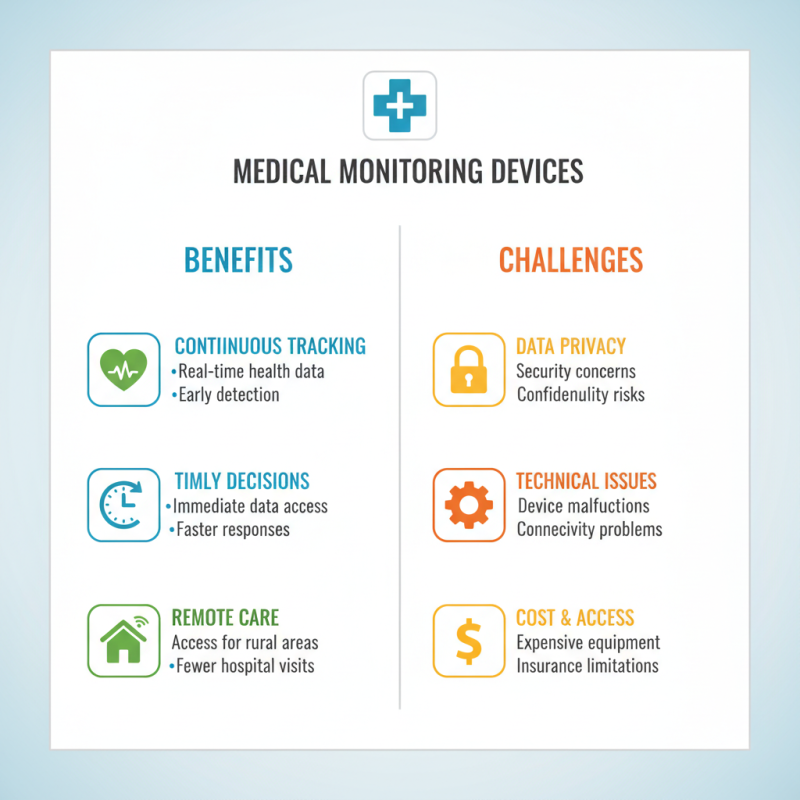
Medical monitoring devices offer significant benefits that can enhance patient care. They allow continuous health tracking, which provides real-time data. This immediate access to health information helps healthcare providers make timely decisions. Patients may feel more secure knowing their vital signs are monitored regularly. These devices can also facilitate remote consultations, saving time and improving access for individuals in remote areas.
However, there are challenges to consider. Data privacy is a primary concern, as sensitive health information is transmitted electronically. Risks of hacking or data breaches can undermine patient trust. Moreover, not all patients may be tech-savvy. This lack of familiarity can lead to frustration and misuse of the devices. Adequate training and support are vital to ensure proper usage. Balancing technology with patient comfort remains a crucial task for healthcare professionals.