Top Health Monitoring System Innovations for Better Wellbeing?
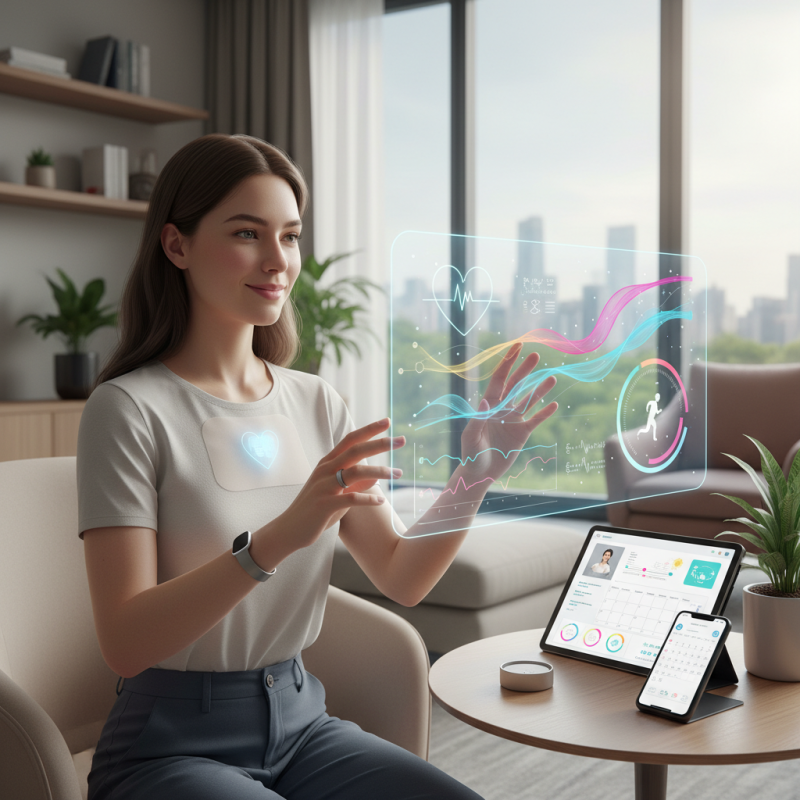
In today's fast-paced world, the need for an effective health monitoring system has never been more crucial. Innovations in this area are transforming how we approach wellbeing. From wearables to mobile applications, technology is reshaping personal health management. These systems promote proactive health tracking and personalized care.
Many health monitoring systems offer real-time data, providing insights into vital signs, physical activity, and sleep patterns. This information can empower users to make informed choices. However, not all systems are created equal. Some may lack accuracy or depth in tracking metrics. As technology evolves, so does the challenge of data overload. Users must learn to navigate this complexity.
Additionally, integrating these systems into daily life can be a hurdle. Many people struggle to adopt new habits or consistently use these tools. While advancements are exciting, it's essential to reflect on our commitment to health. A health monitoring system can only be effective if users engage with it fully. Exploring these innovations invites us to rethink our wellbeing journey.
Emerging Technologies in Health Monitoring Systems
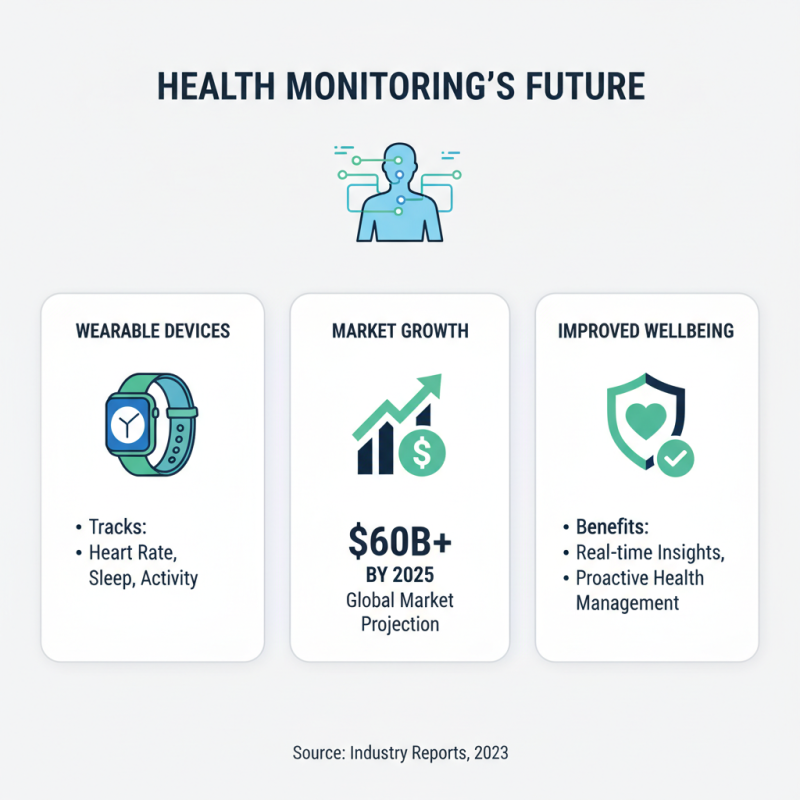
Emerging technologies in health monitoring systems are paving the way for improved wellbeing. Wearable devices, for instance, have become increasingly popular, with the global market projected to reach over $60 billion by 2025. These devices track heart rate, sleep patterns, and activity levels, providing users with real-time insights into their health.
Sensors play a crucial role in these innovations. The integration of biosensors allows for continuous monitoring of vital signs, making it possible to detect abnormalities promptly. A recent study found that early detection through monitoring can reduce hospitalization by up to 30%. However, despite these advancements, data privacy remains a significant concern. Users often remain unaware of how their information is being processed.
Mobile health applications are also emerging as vital tools. They empower users to take control of their health through personalized recommendations. Yet, these apps can vary significantly in quality and effectiveness. A report indicated that only 10% of health apps have undergone rigorous testing. This raises questions about their reliability and necessitates cautious adoption. These innovations demonstrate great potential but also highlight areas for improvement and consideration.
Wearable Devices Revolutionizing Personal Health Tracking
Wearable devices are changing the landscape of personal health tracking. They allow users to monitor vital signs, activity levels, and even sleep quality. These devices come with various sensors that track heart rates, calories burned, and steps taken. Over the years, they have become more accessible and user-friendly. Many people now wear these devices daily to gain insights into their health.
However, one major concern is data privacy. Users often provide sensitive information, which can be at risk. There is also a need for accuracy in the readings they provide. Sometimes, how accurate the metrics can vary, leading to confusion. Wearable devices might suggest lifestyle changes based on unreliable data.
Additionally, while they promote awareness, they can also create anxiety. Users may obsess over numbers instead of listening to their bodies. This can lead to a disconnection from genuine wellness. Reflecting on how we use these tools is vital. Balancing technology with intuition might yield the best results for our health journeys.
AI and Machine Learning in Health Data Analysis
The integration of AI and machine learning in health data analysis is transforming healthcare. According to a recent report by Frost & Sullivan, the global AI in healthcare market is projected to reach $36 billion by 2025. This rapid growth is driven by the need for personalized care and efficient health management.
AI algorithms can analyze vast amounts of data quickly. They help identify trends and patterns that human analysts might miss. For instance, predictive analytics can forecast disease outbreaks, allowing for timely interventions. However, it's important to note that data quality is crucial. Poor data can lead to incorrect conclusions, which can compromise patient safety.
Tips: Always ensure your data sources are reliable. Regular updates and validations of datasets reduce errors.
AI innovations also improve patient monitoring. Wearable devices collect real-time health data, aiding remote patient supervision. However, privacy concerns arise as sensitive data is collected. Transparency in data handling is essential for maintaining trust.
Tips: Patients should be informed about how their data is used. Clear communication about data privacy practices builds confidence.
Top Health Monitoring System Innovations for Better Wellbeing
| Innovation |
Description |
Impact on Health |
Technology Used |
| Wearable Health Monitors |
Devices that track various health metrics such as heart rate, sleep patterns, and physical activity. |
Improves personal health management and early disease detection. |
IoT, Machine Learning |
| Telehealth Platforms |
Services that allow patients to consult healthcare professionals remotely through video or messaging. |
Increases access to care, especially in rural areas, and enhances patient convenience. |
AI Chatbots, Video Conferencing |
| AI-Driven Diagnostics |
Leveraging AI to analyze medical data for faster and more accurate diagnosis of conditions. |
Enhances diagnostic accuracy and reduces time to treatment. |
Machine Learning, Deep Learning |
| Personalized Medicine |
Tailoring medical treatment to the individual characteristics of each patient. |
Increases the effectiveness of treatments and reduces side effects. |
Genomics, AI Analysis |
| Health Data Analytics |
Analyzing large datasets to identify patterns and trends in health and wellness. |
Improves population health management and informs public health policies. |
Big Data, AI, Predictive Analytics |
Telemedicine Innovations Enhancing Remote Patient Monitoring
Telemedicine has transformed the way healthcare is delivered. Innovations in remote patient monitoring are a key part of this shift. A report from Statista shows that the telemedicine market is expected to reach $459.8 billion by 2026. This rapid growth reflects the rising demand for accessible healthcare solutions.
Remote monitoring devices allow patients to track vital signs from home. This data is sent in real-time to healthcare providers. Such technology reduces hospital visits and enhances patient engagement. However, there are challenges. Not all patients are tech-savvy. Some may not have access to reliable internet. According to a survey by the Pew Research Center, 10% of Americans do not use the internet, which can limit their access to telehealth services.
There’s also the concern about data security. Patients share sensitive health information online. Ensuring privacy is crucial. A report from McKinsey emphasizes the need for stringent data protection measures. As we advance in this field, addressing these gaps is essential for the future of telemedicine. Balancing innovation with access and security will be the true test of success.
Integration of IoT in Continuous Health Surveillance Systems
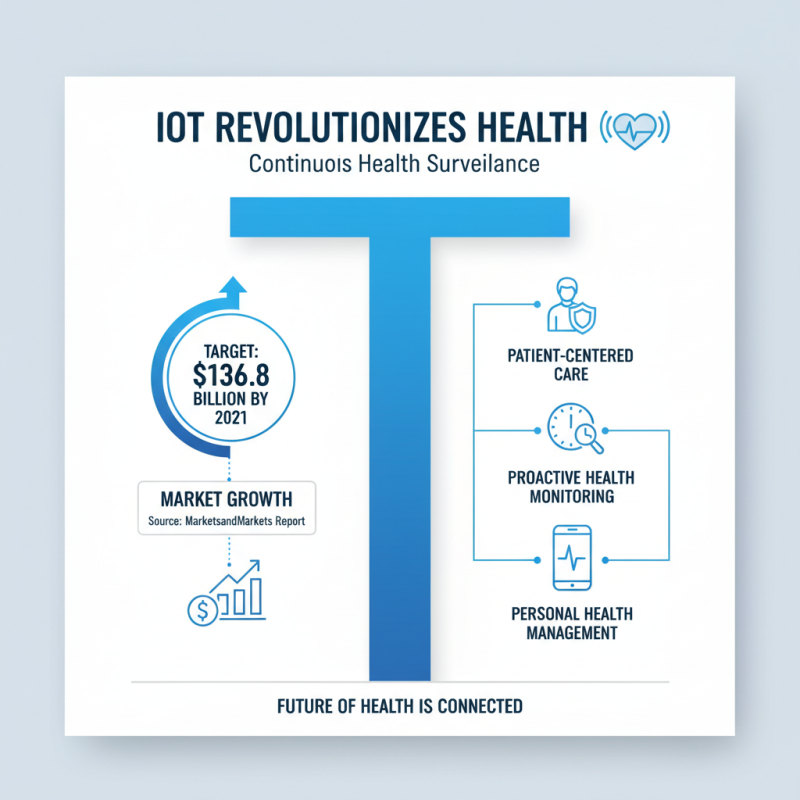
The integration of IoT in continuous health surveillance systems is revolutionizing personal health management. According to a report by MarketsandMarkets, the IoT healthcare market is projected to reach $136.8 billion by 2021. This swift growth underscores a significant shift toward patient-centered care and proactive health monitoring.
Wearable devices are now commonplace, collecting data on heart rates, activity levels, and sleep patterns. These devices transmit real-time insights, which can lead to early detection of health issues. For example, researchers have noted that monitoring heart variability can provide insights into stress levels and overall wellness. However, reliability varies; not all devices give accurate readings.
Data privacy is another challenge. Patients may hesitate to share sensitive information with health providers. Additionally, there are concerns regarding data breaches, with numerous incidents reported in past years. The healthcare industry must address these vulnerabilities to build patient trust while enhancing the effectiveness of IoT devices in health surveillance.