What Are Food Safety Kits and Why Are They Essential?
Food Safety Kits are becoming increasingly vital in today's food industry. According to the Food and Drug Administration, foodborne illnesses affect about 48 million Americans annually, making effective safety measures crucial. Despite advancements, many establishments still lack proper food safety protocols. "Food Safety Kits provide essential resources for training and compliance," states Dr. Emily Lawson, a renowned food safety expert.
Implementing these kits can significantly reduce risks. They often include thermometers, sanitizers, and training materials. These tools help ensure food is stored and cooked at safe temperatures. However, some businesses overlook the importance of consistent training and monitoring. Many assume that a one-time investment in food safety is sufficient. This approach can lead to serious oversights.
The cost of foodborne illness is staggering. The Centers for Disease Control estimate it costs the U.S. economy $15.6 billion every year. Investing in Food Safety Kits is not just beneficial; it's essential for protecting public health. Ignoring these resources may seem cost-effective, but the long-term consequences can be devastating. The need for improvement is clear.
What Are Food Safety Kits and Their Components?
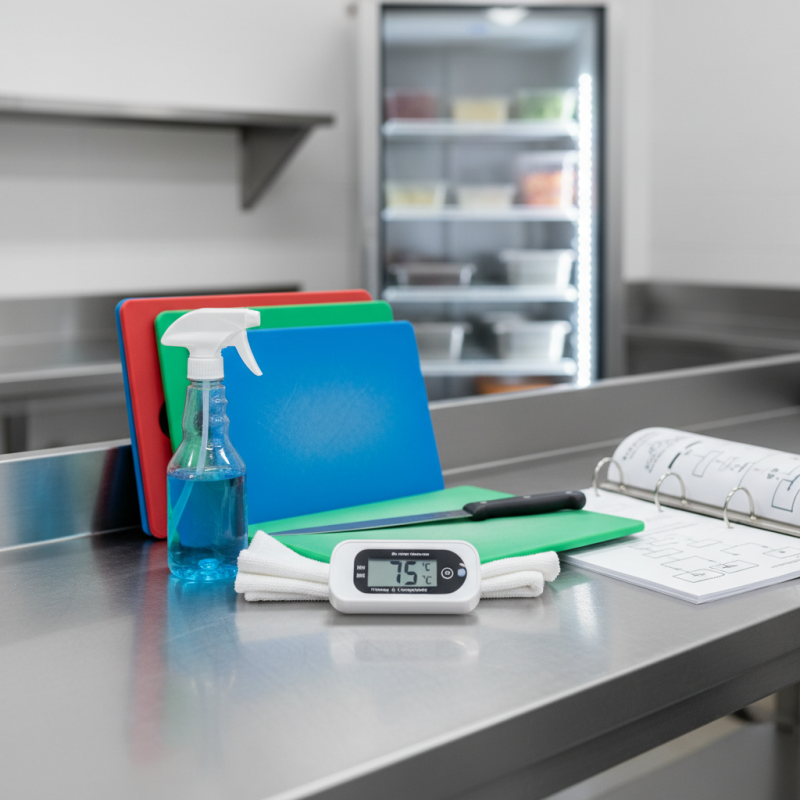
Food safety kits play a crucial role in preventing foodborne illnesses. These kits typically contain several essential components. For instance, thermometers ensure food is cooked to safe temperatures. A study by the Centers for Disease Control and Prevention (CDC) indicates that improper cooking temperatures lead to significant outbreaks. Having reliable thermometers can mitigate these risks.
Sanitizers are another vital element. They help eliminate harmful bacteria on surfaces. According to the Food Safety and Inspection Service (FSIS), inadequate sanitation is a leading cause of food safety violations. Moreover, instructional materials included in these kits provide step-by-step guidelines. These materials can often be overlooked, even though they are critical for safe food handling.
A food safety kit should also contain personal protective equipment, like gloves and hairnets. This helps prevent contamination from food handlers. Yet, some people skip these basics. Neglecting protective measures can lead to severe consequences, such as cross-contamination. Overall, while food safety kits are essential, the effectiveness depends on proper use and awareness of their contents.
Importance of Food Safety Kits for Home and Businesses
Food safety kits are vital for households and businesses alike. They contain essential tools for maintaining hygiene and preventing contamination. According to the U.S. Centers for Disease Control and Prevention, about 48 million people fall ill from foodborne illnesses each year. This statistic highlights the need for proactive measures in food safety.
In homes, a food safety kit can include items like thermometers, sanitizing wipes, and gloves. These tools empower families to check food temperatures and ensure proper cleaning.
Tips for families:
Always wash hands before cooking. Store raw foods separately to avoid cross-contamination.
For businesses, the stakes are higher. The National Restaurant Association reports that a single foodborne outbreak can lead to substantial financial losses and reputational damage. Regularly using a food safety kit can minimize these risks. Establishments should train staff on food safety protocols. It’s worth noting that many businesses still overlook these basics. This raises questions about their commitment to safety.
In both settings, the commitment to food safety is crucial. Access to a food safety kit can make a real difference. Yet, many underestimate the importance of these tools. Making food safety a priority is not just wise; it’s necessary.
Key Benefits of Using Food Safety Kits in Food Handling
Food safety kits play a crucial role in ensuring hygiene in food handling. These kits often include items like gloves, thermometers, and sanitizer wipes. They help minimize contamination risks, especially in busy kitchen environments. According to the Centers for Disease Control and Prevention, foodborne illnesses affect 48 million Americans each year. Using safety kits can significantly reduce these incidents.
One key benefit of food safety kits is convenience. They provide essential tools in one package. This makes it easier for food handlers to follow safety protocols. Studies show that proper training and the right tools increase compliance with food safety regulations by up to 80%. Consistency in using these kits builds a hygiene culture in food service.
Tips: Always check the expiration dates on sanitizers and wipes. Replace any items that feel worn. Consider conducting regular training sessions to reinforce the importance of using safety kits. Frequent inspections can reveal gaps in your food safety practices. The right mindset is just as vital as the right tools. It’s not just about having equipment; the commitment to food safety is the key to success.
How to Effectively Use Food Safety Kits for Best Practices
Food safety kits are vital for maintaining hygiene and preventing foodborne illnesses. These kits typically include thermometers, sanitizers, gloves, and food safety charts. Each of these tools plays a crucial role in food preparation. According to the CDC, foodborne illnesses affect 48 million people in the U.S. annually. This highlights the importance of employing best practices through effective use of food safety kits.
Using a thermometer is essential. Cook food to the right internal temperature to kill harmful bacteria. For chicken, that means reaching 165°F. When using gloves, ensure they are changed frequently. Cross-contamination can happen quickly, even with the best intentions. Always sanitize surfaces before and after prep work. This simple act can reduce the risk of contamination significantly.
Tips:
1. Keep food safety kits accessible and organized. If you can’t find tools, you might ignore them.
2. Regularly check the expiration dates on sanitizers and other supplies. Don’t assume they are still effective.
3. Reflect on your food prep habits. Are there areas where you could improve?
Implementing these practices can make a significant difference in the safety of your food. Embracing food safety measures is not just about compliance; it's about the health and well-being of you and those you serve.
Food Safety Kit Utilization in Different Industries
This chart illustrates the utilization rates of food safety kits across various industries. A higher percentage indicates better implementation of food safety practices, essential for ensuring consumer safety and compliance with regulations.
Choosing the Right Food Safety Kit for Your Needs
When choosing a food safety kit, consider your specific needs. There are various types available, ranging from basic to advanced. A USDA report indicates that improper food handling contributes to nearly 48 million illnesses in the U.S. each year. This statistic highlights the importance of having the right equipment.
You may need a kit tailored for your kitchen or a mobile option if you're catering events. Basic kits often include thermometers and gloves. More comprehensive kits might feature test strips for pH and temperature monitoring. According to the FDA, 20% of foodborne illnesses stem from cross-contamination. A kit designed with preventing this in mind can be crucial.
It's important to reflect on what you truly require. Are you a home cook or a professional chef? Your risk levels differ vastly. Make a list of essentials. Evaluate the items based on ease of use. Remember, having a kit is only step one. Regular training and practice can also play a significant role in effective food handling.