How to Choose the Right Hospital Equipment for Your Medical Facility?
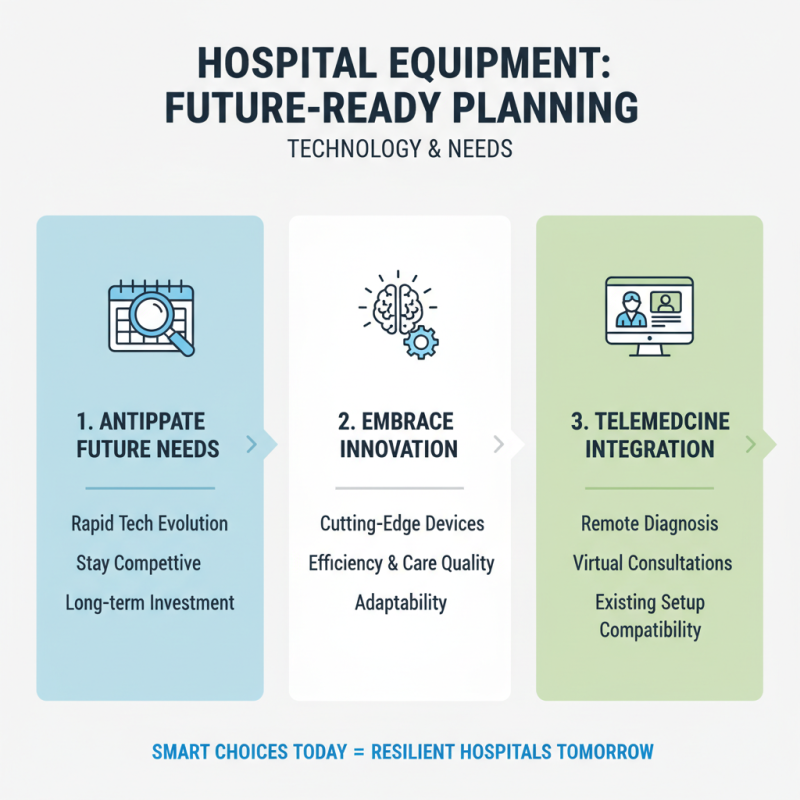
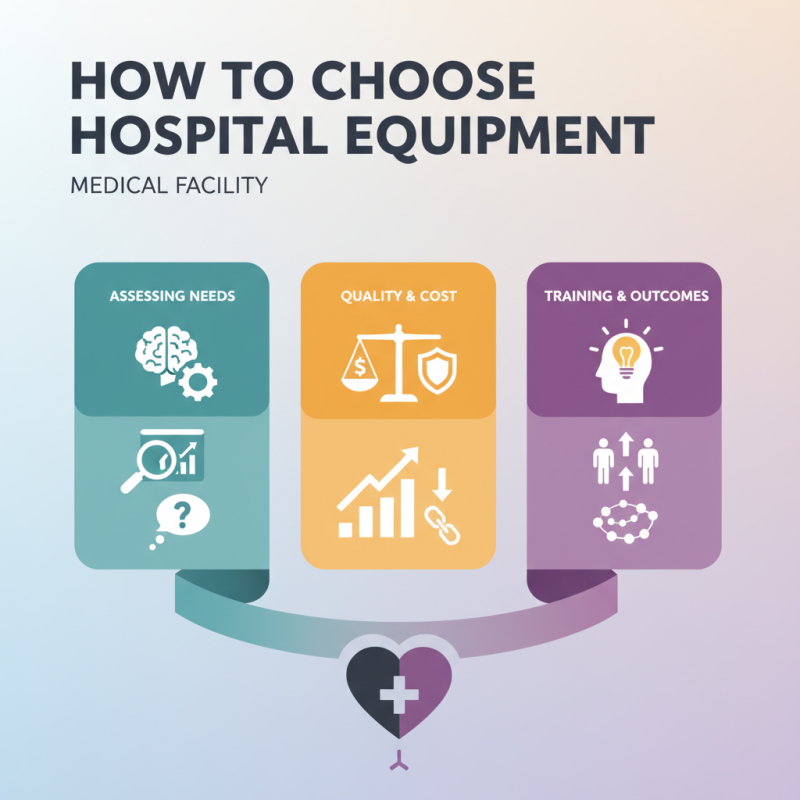
Selecting the right hospital equipment is crucial for any medical facility. As Dr. Jane Thompson, a renowned expert in healthcare technology, puts it, “The right tools can transform patient care.” Choosing hospital equipment involves more than just knowing what is available; it requires understanding the specific needs of the facility.
Balancing quality and cost is essential. Facilities often face budget constraints, yet inferior equipment can lead to serious issues. Dr. Thompson warns, “Compromising on quality can compromise patient safety.” Therefore, evaluating equipment based on functionality and reliability is a must.
Many facilities overlook the importance of training staff on new devices. Without proper training, even the best hospital equipment can fall short. Emphasizing ongoing education ensures that staff are proficient and confident. Investing time and resources in both equipment selection and staff training can lead to improved outcomes and enhanced patient experiences.
Understanding the Types of Hospital Equipment Needed for Your Facility
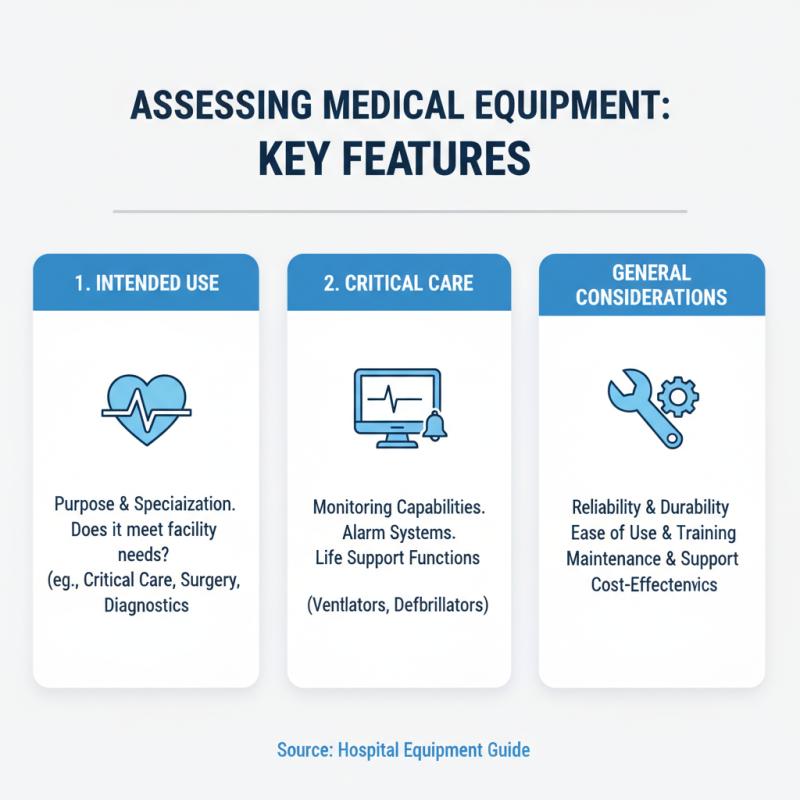
When selecting equipment for a medical facility, understanding the specific needs is crucial. Different departments require different tools. For example, surgery rooms need advanced technology, while outpatient services may only require basic diagnostic tools. Identifying these needs can seem daunting. However, a clear evaluation of your facility will serve you well.
Consider your facility's size and patient volume. Larger hospitals often need complex systems, such as imaging machines and surgical robots. Smaller clinics might focus on essentials like examination tables and basic lab equipment. Prioritizing equipment that directly impacts patient care can lead to significant benefits. Don’t forget to consult healthcare professionals. Their insights can highlight practicality over mere trends.
Budget constraints also play a significant role. High-quality equipment can be costly, but sometimes older models suffice. Assessing long-term costs versus initial investments is essential. Always think about maintenance and reliability. Flaws in equipment can lead to frustrating downtime. Reflecting on past experiences helps make informed decisions moving forward. A thoughtful approach ensures the facility is well-equipped for the future.
Hospital Equipment Distribution by Type
This chart illustrates the distribution of various types of hospital equipment necessary for a medical facility. Each category represents a percentage of the total equipment type, highlighting the importance of diagnostic and surgical tools in hospital settings.
Evaluating Budget Constraints and Financial Considerations
When evaluating budget constraints for hospital equipment, the first step is understanding your priorities. Identify which equipment is essential for patient care. This involves consulting healthcare professionals to determine their immediate needs. Analyzing their feedback can provide insight into the most necessary tools for your facility.
Consider the long-term financial impact of your choices. Higher upfront costs might seem daunting, but they can lead to cost savings down the line. Look into maintenance and operational expenses. Some equipment may require costly repairs if they are not well-designed. Reflect on the total cost of ownership rather than just the purchase price. This can greatly affect your financial planning.
Explore financing options available to healthcare facilities. Grants and loans can ease the burden of initial expenditures. However, be mindful of debt levels. Balance is key; avoid overspending to ensure adequate funds for other vital operations. Engaging a financial advisor may also help you navigate these complexities better.
Researching Vendors and Comparing Equipment Options
When researching vendors for hospital equipment, it's essential to gather insights from multiple sources. Start by attending industry conferences and workshops. These events allow you to connect with manufacturers and suppliers. You'll also gain valuable knowledge about the latest advancements in medical technology. Engaging with peers can provide firsthand experiences. These insights often prove invaluable when assessing vendor reliability and product effectiveness.
Make a list of equipment needs tailored to your facility's specific requirements. Consider factors like patient volume, specialized services, and budget constraints. Reach out to different vendors for quotes and specifications. Analyze the information critically. Sometimes, the most expensive option isn't the best. Evaluate warranties, service agreements, and support options. Some vendors may lack responsive customer service, leading to potential operational delays. Cross-check references and reviews to ensure reliability.
Don't hesitate to request demonstrations. Seeing equipment in action can unveil strengths and weaknesses you might not anticipate. Be prepared to ask hard questions about maintenance and longevity. A well-informed decision will hinge on transparent communication with vendors. Prioritize partnerships with suppliers who show integrity and commitment. This approach not only enhances your purchasing process but also fosters long-term relationships.