How to Choose the Best Home Health Monitoring Devices for Your Needs?
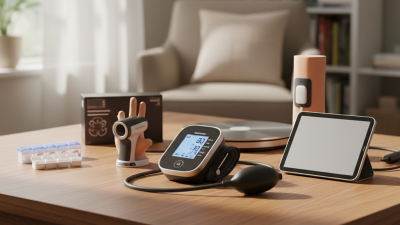
Home health monitoring devices are increasingly popular. They offer many benefits for those managing chronic conditions. These tools help users track vital signs, ensuring proactive health management.
Selecting the right device can feel overwhelming. There are various options on the market, each with unique features. Some may focus on blood pressure monitoring, while others track glucose levels. Consider what works best for your specific needs.
Think about your lifestyle and daily routine. Not all devices fit every person's habits. Some may lack user-friendliness or require too much effort to operate. It's important to reflect on these aspects when making your choice.
Understanding Home Health Monitoring Devices: An Overview
Home health monitoring devices have revolutionized personal healthcare. These tools provide patients with critical data, allowing better management of chronic conditions. According to a report by Statista, the global home health monitoring device market is projected to reach $30.2 billion by 2026. This growth indicates a strong demand for reliable monitoring systems.
Many devices are available, including blood pressure monitors, glucose meters, and pulse oximeters. Each serves a specific purpose and caters to different health issues. Patients often feel overwhelmed. Choosing the right device is not always simple. Some devices may lack user-friendly interfaces. Others might not offer accurate readings consistently. Health professionals suggest thoroughly researching options to ensure reliability.
Data from the National Institute of Health suggests that 40% of patients do not use monitoring devices correctly. This underscores the importance of proper education. Users should familiarize themselves with the device's functions and limitations. A well-chosen device can significantly improve health outcomes. However, the right choice depends on individual needs and comfort with technology. Evaluating these aspects critically can make a real difference in health management.
Home Health Monitoring Devices Usage Statistics
This bar chart illustrates the number of users (in millions) for various home health monitoring devices. The data highlights the popularity of wearable fitness trackers among users, followed by blood pressure monitors and thermometers, indicating a growing trend in managing personal health from home.
Identifying Your Health Needs and Goals for Monitoring
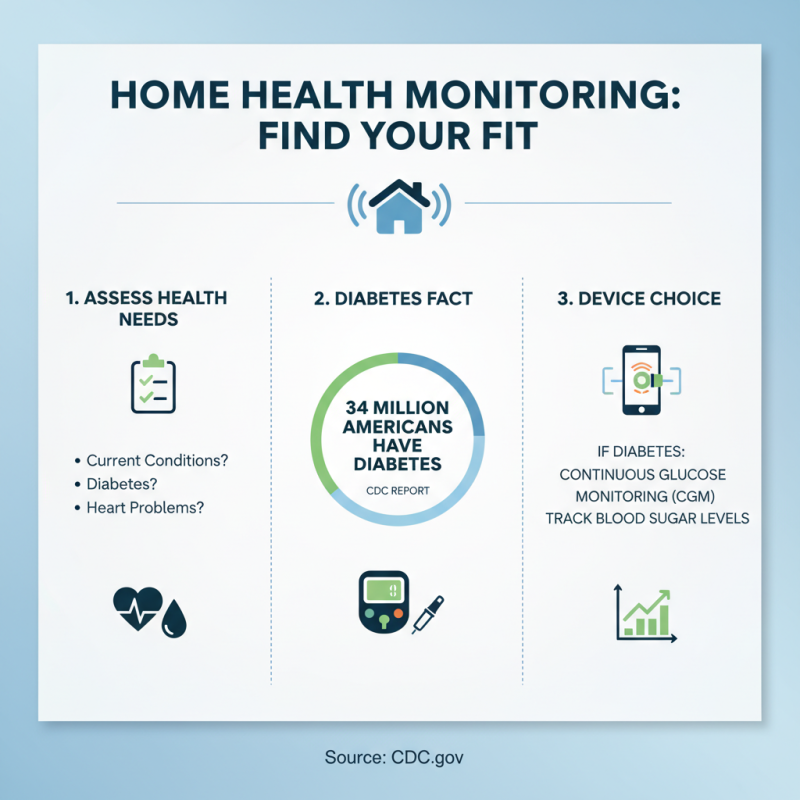
When considering home health monitoring devices, understanding your health needs is crucial. Start by assessing your current health conditions. For instance, do you manage diabetes or heart problems? According to a recent report from the CDC, nearly 34 million Americans have diabetes, highlighting the need for continuous glucose monitoring. If you fall into this category, choose devices that can efficiently track your blood sugar levels.
Setting clear health goals is equally important. Are you looking to lose weight, increase activity, or manage stress levels? Research by the WHO indicates that physical inactivity is a leading risk factor for global mortality. Devices that track steps and heart rate can help you stay on track. Consider devices with features that enable goal-setting and progress tracking. However, be cautious with too many goals; this can lead to burnout.
Lastly, remember to think about the user experience. Many devices come with steep learning curves. Finding a device that suits your technological comfort level can be challenging. Some devices may require frequent updates or have complicated apps. Reflect on your lifestyle and patience level to ensure you select a device that you can consistently integrate into your routine.
Key Features to Look for in Home Health Monitoring Devices
When choosing home health monitoring devices, there are several key features to consider. Look for devices that offer real-time monitoring. This allows you to track your health immediately. It is essential for conditions like diabetes or heart disease. Accurate readings can make a big difference.
Another important feature is ease of use. Devices should come with clear instructions. Complicated setups can lead to frustration. Consider devices with user-friendly interfaces or smartphone compatibility. This can simplify the process of tracking your health data.
Tips: Check for devices that provide alerts. They can notify you about abnormal readings. This is crucial for timely intervention. Regular software updates are also beneficial. They ensure your device maintains accuracy over time.
Think about the data storage options. Some devices offer cloud storage for your health data. This keeps your information safe and accessible. Remember, not all devices will meet every need. Identify what's most important for you. This reflection can help narrow down your choices.
Comparing Popular Home Health Monitoring Devices on the Market
When choosing home health monitoring devices, it’s easy to feel overwhelmed. Numerous options are available. Some focus on heart rate, while others track blood pressure or glucose levels. Each device comes with unique features and limitations. It’s essential to consider what you need versus what’s available.
For instance, portable blood pressure monitors are convenient but may lack accuracy over time. Smart wearables can track various metrics but might require a smartphone, limiting usability for some. Heart rate monitors are often essential for fitness enthusiasts, yet a simple device might not provide enough data for serious athletes.
Taking personal health needs into account is vital. You might want a device that offers reminders for medication, yet many devices overlook this feature. User interface design can also make a difference. Some devices are user-friendly, while others confuse users with complex settings. Reflecting on your specific requirements can help you navigate this market more effectively.
How to Choose the Best Home Health Monitoring Devices for Your Needs?
| Device Type |
Features |
Connectivity |
Battery Life |
Price Range |
| Smart Blood Pressure Monitor |
Automatic readings, irregular heartbeat detection |
Bluetooth, Wi-Fi |
Up to 6 months |
$40 - $100 |
| Smart Glucometer |
Continuous monitoring, data sharing |
Bluetooth, mobile app |
1 year |
$50 - $120 |
| Wearable Fitness Tracker |
Heart rate monitor, step count, sleep tracking |
Bluetooth |
5 - 7 days |
$30 - $250 |
| Smart Thermometer |
Fever alerts, data tracking |
Bluetooth |
Up to 2 years |
$20 - $70 |
| Pulse Oximeter |
Blood oxygen saturation monitoring |
None |
Up to 30 hours |
$15 - $50 |
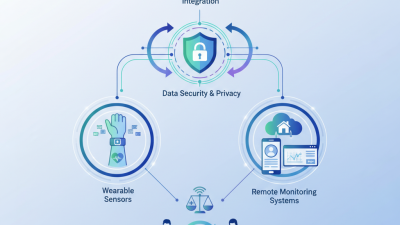
Ensuring Data Security and Privacy with Health Monitoring Devices
When selecting health monitoring devices,
data security is paramount. These devices
collect sensitive information about your health. Without proper security measures,
this data can become vulnerable. Ensuring that the device encrypts data is
essential. Look for devices that use strong
encryption methods. This adds an extra layer of protection against
unauthorized access.
Tips: Regularly update your device's software. Many updates include
important security patches. Also, choose
devices with secure access methods. Biometric
verification can enhance security significantly. Passwords should be strong
and unique to prevent unauthorized use.
Privacy should also be a priority.
Read the privacy policy carefully. Understand how your data will be used. Some
devices may share information with third parties.
If you're uncomfortable, reconsider your options. Not all devices are transparent
about their data practices. It's important to feel secure about who has access to
your health information.