How to Choose the Best Anti-Decubitus Air Mattress for Comfort?
Choosing the right "Anti-Decubitus Air Mattress" can significantly impact comfort and health. Dr. Emily Tran, a leading expert in wound care, once said, "The right mattress can prevent pressure injuries and enhance recovery." Her insights highlight the importance of selecting an appropriate mattress for those at risk of bed sores.
Many factors contribute to this decision. Comfort, material quality, and pressure redistribution capabilities are essential. Air mattresses vary significantly in design and function. Understanding these differences can ensure you find a suitable option. Balancing comfort with necessary features may be challenging. Each individual’s needs differ, making this process complex.
Moreover, many people overlook the significance of maintaining air pressure levels. Proper inflation is vital for adequate support. An ill-fitting mattress can lead to discomfort and health issues. It’s crucial to reflect on personal preferences and consult experts to make informed choices. The decision is more than just purchasing; it’s about enhancing well-being and preventing complications.
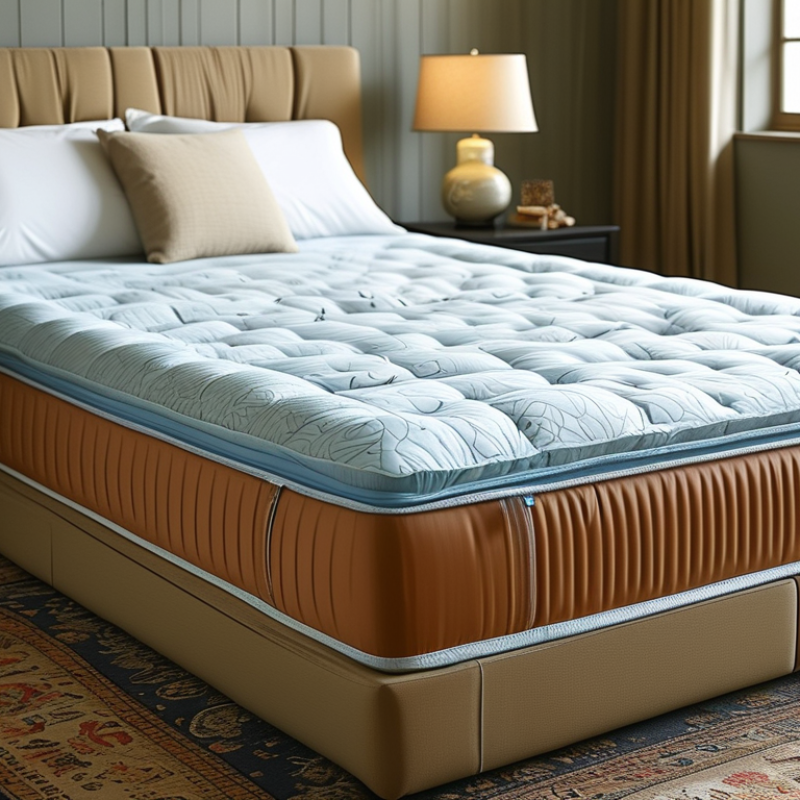
Understanding Pressure Ulcers and the Need for Anti-Decubitus Mattresses
Pressure ulcers, also known as bedsores, can develop when a person remains in one position for too long. These sores occur due to prolonged pressure on the skin, especially over bony areas. Understanding this risk is crucial for caregivers and individuals who spend significant time in bed. A good anti-decubitus mattress helps distribute weight evenly, relieving pressure on vulnerable areas.
Anti-decubitus mattresses are designed to enhance comfort and promote healing. They contain features like air cells or memory foam that adjust to body shape. This personalization can help reduce the risk of developing ulcers. However, it’s essential to monitor the user’s condition regularly. Even the best mattress might not be sufficient without proper care. Frequent repositioning, skin checks, and hygiene are key elements in preventing pressure ulcers.
Not all mattresses are created equal. Some may lack airflow and become hot, causing discomfort. A user might remain unaware of sore development due to limited mobility. Considering this, a comprehensive approach to preventing bedsores is vital. Combine the right mattress with vigilant care practices for optimal results.
Key Features of Anti-Decubitus Air Mattresses for Maximum Comfort
When selecting an anti-decubitus air mattress, comfort is paramount. Effective pressure relief helps maintain skin integrity and prevent bedsores. Look for mattresses designed with multiple air cells. These cells inflate and deflate in cycles, redistributing weight and relieving pressure points. Regular changes in pressure can significantly enhance comfort levels for individuals confined to bed.
Consider the material of the mattress. High-quality, breathable fabrics can enhance airflow. This reduces moisture buildup, which can lead to skin maceration. A mattress with adjustable firmness can also cater to individual comfort preferences. It's important to find the right balance between support and plushness.
While many mattresses feature automatic pressure adjustments, not all perform equally. Some may require manual settings, which can be cumbersome. Regular use may also lead to wear and tear over time. Reflect on how well a mattress suits specific needs before committing. Testing a mattress, if possible, can provide invaluable insights.
Comparing Different Types of Anti-Decubitus Mattresses: Pros and Cons
When selecting an anti-decubitus air mattress, it's crucial to understand the different types available. Each type has its pros and cons, which can significantly influence comfort and effectiveness. One common option is the Alternating Pressure Mattress. This design helps distribute weight and prevent pressure sores by inflating and deflating various sections. Many users report improved comfort levels with this design, but it may require more maintenance than static models.
Another type is the low-air-loss mattress. These mattresses are designed to keep the skin dry by allowing air to circulate. This feature is beneficial for those prone to moisture build-up. However, some individuals may find the sensation of air loss unsettling. Moreover, while they offer great breathability, the level of support might not be sufficient for all users, especially heavier individuals.
Lastly, there's the static air mattress. These are simple to use and maintain. They provide uniform support by relying solely on air. However, they may not be as effective in preventing bedsores for those who stay in bed for long periods. Finding the balance between support and comfort is essential, which can vary significantly based on individual needs. Always consider personal requirements and preferences when making your choice.
Comparison of Different Types of Anti-Decubitus Mattresses
Factors to Consider When Selecting the Right Size and Model
Choosing the right size and model of an anti-decubitus air mattress can significantly impact comfort and health. One needs to consider the dimensions of both the mattress and the user. A mattress that is too small may not provide adequate support. It might even lead to pressure points. Measure the bed frame and the user's size to ensure a snug fit.
The design features are also crucial. Different models offer varying levels of support and airflow. Some mattresses have multi-chamber systems, while others provide continuous air flow. Look for a model that maintains consistent pressure to alleviate discomfort. Additionally, check the weight limit specified by the manufacturer. This detail often goes underappreciated, yet it can affect the mattress's longevity and function.
Not all mattresses are created evenly. Sometimes a higher price does not equal better performance. It is essential to read reviews and consult healthcare professionals. They can provide insights based on experience and clinical knowledge. Finally, be open to adjusting your choice based on personal needs. Testing a model for a short period can reveal unexpected flaws or advantages. It is a process of discovery, even when aiming for the perfect fit.
How to Choose the Best Anti-Decubitus Air Mattress for Comfort?
| Feature | Description | Importance | Recommended Size |
| Weight Capacity | The maximum weight the mattress can support without compromising comfort. | High | Choose based on user weight, typically up to 400 lbs. |
| Material Quality | Durability and ease of cleaning; common materials include PVC and polyurethane. | High | Standard size for residential use; twin or full. |
| Air Cells | Number and arrangement of air cells influence pressure relief. | Medium | Must match the bed frame for proper fit. |
| Size | Dimensions of the mattress; standard sizes include Twin, Full, Queen, and King. | High | Select based on user's bed frame dimensions. |
| Ease of Use | Consider features such as automatic inflation, control settings, and maintenance. | Medium | Universal size compatible with most bases. |
Maintenance and Care Tips for Long-Lasting Mattress Comfort
Maintaining an anti-decubitus air mattress is essential for comfort and longevity. Regularly check the air pressure, ensuring it feels firm but not too hard. Over-inflation can cause discomfort, while under-inflation may reduce its effectiveness. Make it a habit to inspect the mattress for leaks or punctures. A small tear can quickly escalate into a bigger problem, affecting the mattress's overall function.
Cleaning is another critical aspect. Use mild soap and warm water to wipe the surface. Avoid harsh chemicals that can degrade the material over time. Ideally, do this every two weeks. Pay attention to the seams where dirt and moisture might accumulate. Adequate drying is vital; moisture can lead to mold growth or unpleasant odors.
Storage also matters. When not in use, store the mattress in a cool, dry place. Avoid folding or compressing it in a way that could damage its structure. Reflecting on these practices will enhance your experience and ensure your mattress remains comfortable during use. Regular attention prevents many issues, allowing users to focus on recovery and rest.