What Is a Blood Component Separator and How Does It Work?
A Blood Component Separator is a specialized device that divides donated whole blood into useful components. These components include red blood cells, plasma, platelets, and sometimes cryoprecipitate. Each part serves a different clinical purpose. Red cells carry oxygen. Platelets support clot formation. Plasma contains proteins that help regulate bleeding and circulation.
The process begins with carefully collected blood placed into a centrifuge or automated separation system. Spinning creates layers with different densities. The machine then guides each layer into a separate storage bag. It sounds simple. It is not. Temperature, timing, centrifuge speed, and sterile handling can affect product quality. Even a small processing error may reduce component recovery or compromise safety.
Transfusion-medicine specialist Dr. Harvey G. Klein has emphasized a central principle: “Give the patient the component that addresses the clinical need.” This idea explains why the Blood Component Separator matters. It supports targeted transfusion rather than using whole blood when a specific component is appropriate. Modern systems may add sensors, software controls, and closed tubing pathways. These features improve consistency, but they do not replace trained professionals. Operators must still inspect bags, verify labels, monitor equipment, and follow validated procedures. The technology is powerful, yet not infallible. Readers should also remember that equipment design differs between manufacturers and clinical settings. This article examines how separation works, what happens inside the machine, and which practical factors influence component quality. Understanding these details can make an unfamiliar laboratory process much easier to visualize.
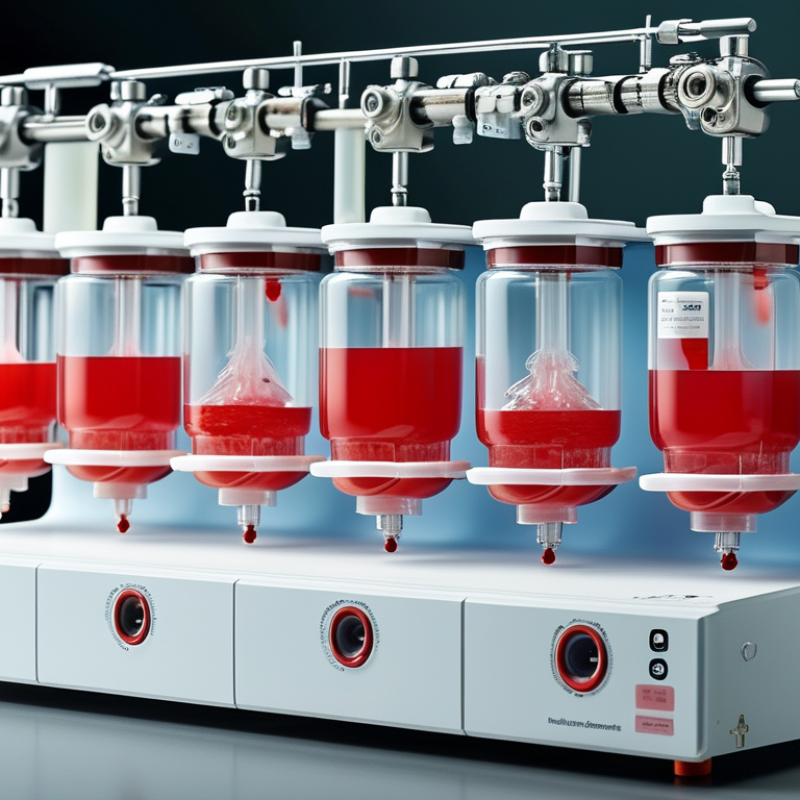
Definition and Purpose of a Blood Component Separator
What Is a Blood Component Separator and How Does It Work?
A blood component separator is a medical device used to divide donated whole blood into separate components. These components commonly include red blood cells, plasma, and platelets. The device usually relies on controlled centrifugation, which separates blood according to the density of its parts. After spinning, the heavier red cells settle at the bottom, while plasma remains above them. Platelets may form a thin layer between these fluids.
Its purpose is practical and clinical. Different patients may need different blood components, rather than the entire donation. Separating one collection can therefore support targeted transfusion and reduce unnecessary exposure to unused components. In a processing room, staff connect sterile tubing, inspect the collection bag, and transfer each layer into a labeled container. The separator must maintain accurate pressure, speed, and timing.
Small details matter.
A cloudy interface can indicate incomplete separation. Some cells may mix during transfer. The process is not perfectly mechanical. Trained personnel still check the equipment readings, bag appearance, labels, and component volume. Quality controls also verify that the final products meet established safety and storage requirements. A separator can improve consistency, but it cannot replace professional judgment. That limitation deserves more attention.
Main Parts and Their Functions
What Is a Blood Component Separator and How Does It Work?
Main Parts and Their Functions
A blood component separator divides whole blood into useful parts, such as red cells, plasma, and platelets. It usually relies on controlled centrifugation, where spinning separates materials by density. The heavier red cells move outward first. Lighter plasma remains closer to the center. Separation sounds simple, but accurate results depend on timing, temperature, and balanced loading.
The centrifuge is the central mechanical part. Its rotor holds sealed containers or collection bags during rotation. These containers must sit evenly, because a small imbalance can cause vibration or damage. A sterile tubing set guides blood between the processing chamber and collection bags. Clamps, valves, and pumps control the direction and flow of each component. The pump must move blood gently. Excessive pressure may damage cells.
Sensors monitor speed, pressure, fluid level, and possible leaks. The control panel uses these readings to adjust the process or stop it when conditions become unsafe. Seals and protective covers help maintain a closed pathway, reducing contamination risks. In professional settings, trained staff inspect the tubing, confirm bag placement, and check calibration before use. The system is not foolproof. A sensor can misread a fluid level, or an operator can overlook a loose connection. That is why visual checks still matter, even with automated controls. Clean technique, documented procedures, and equipment maintenance support reliable component separation.
What Is a Blood Component Separator and How Does It Work?
Typical density differences allow the centrifuge bowl, rotor, pumps, valves, and sensors to separate whole blood into usable components.
During centrifugation, heavier cellular components move outward while lighter plasma remains closer to the center. The rotating bowl creates the separation force, pumps control flow, valves direct each layer, and sensors help monitor pressure, speed, and component collection. The density values shown are approximate typical values in g/mL and can vary with temperature, sample condition, and measurement method.
How Blood Is Processed Step by Step
What Is a Blood Component Separator and How Does It Work?
How Blood Is Processed Step by Step
A blood component separator divides donated whole blood into useful parts. It commonly uses controlled centrifugation, which spins the collection bag at a carefully selected speed. The spinning separates components by density. Red cells settle at the bottom, plasma remains near the top, and platelets collect between them.
The process begins with donor identification, collection, and sealed-bag inspection. Trained staff check the unit label and confirm its records. The blood then enters a validated centrifuge cycle. After spinning, the separator moves each layer through sterile tubing into separate bags. Red cells may support oxygen delivery. Plasma contains proteins and clotting factors. Platelets help control bleeding.
Each component receives testing before release. Laboratories screen for blood group, infectious markers, and other required quality measures. Storage conditions differ, so temperature and time are recorded closely. Red cells usually remain refrigerated, while platelets require gentle agitation. Plasma is frozen under controlled conditions.
The equipment does not make clinical decisions. Skilled professionals do. A separator can perform a precise step, but it cannot correct poor labeling or damaged packaging. That detail is easy to underestimate. In real workflows, staff repeatedly compare labels, records, seals, and equipment readings. Small interruptions can matter. Procedures also vary slightly by collection method and local regulations. That is why trained teams follow validated instructions rather than relying on appearance alone.
Clinical Uses, Benefits, and Safety Considerations
A blood component separator divides donated whole blood into red cells, plasma, and platelets. It uses controlled centrifugation, then transfers each layer into sterile collection containers. In practice, trained staff check tubing, labels, collection volume, and machine settings before processing. A visible interface helps guide separation, but it cannot replace validated procedures. Small differences in cell density can affect the final yield.
Hospitals use separated components rather than whole blood in many transfusion plans. Red cells support patients with significant anemia or blood loss. Plasma may replace clotting factors during selected bleeding disorders. Platelets can help patients with dangerously low counts or impaired platelet function. Component therapy allows clinicians to match treatment more closely to individual needs. It may reduce unnecessary exposure to other components, although outcomes depend on diagnosis and local protocols. Clinical judgment matters.
Safety depends on donor screening, sterile handling, calibration, traceability, and careful storage. Each component requires specific temperature limits and expiry controls. Staff inspect bags for leaks, clots, discoloration, or labeling errors before release. During transfusion, identity checks and patient observation remain essential. Possible reactions include fever, allergy, fluid overload, or rare immune complications. Report symptoms early. No separator removes every risk. Human oversight still matters, and rushed workflows can weaken otherwise reliable technology.